Engagement
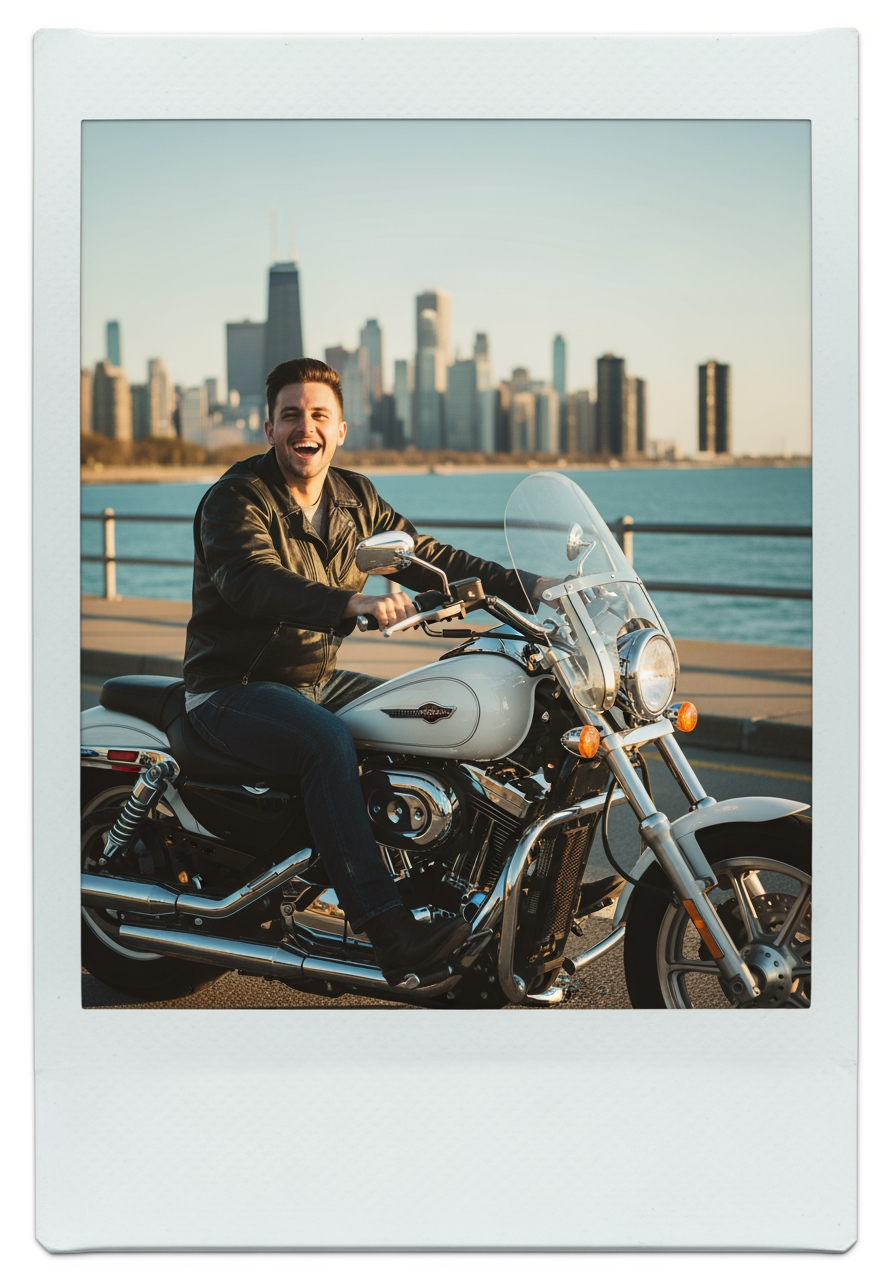
This or that: Lake Shore Drive at sunrise or a backroad at golden hour. Pick one, no cheating. #RideNationChicago #ChicagoRiders #TwoWheels
Giveaway & Countdown
Free to enter, riders 18 and up. One winner takes $20,000 toward any motorcycle they want, drawn December 10. Two minutes to enter, link in comments. #RideNationChicago #BikersWin #20kGiveaway
Local Chicago & Rides
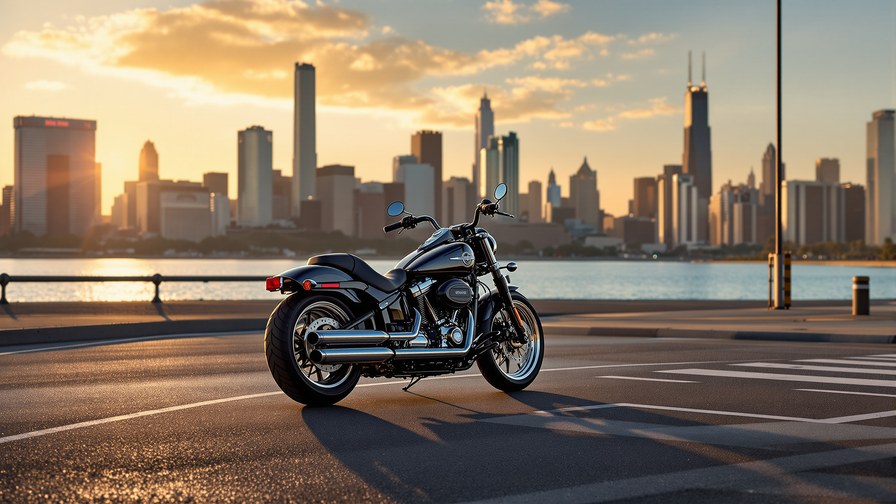
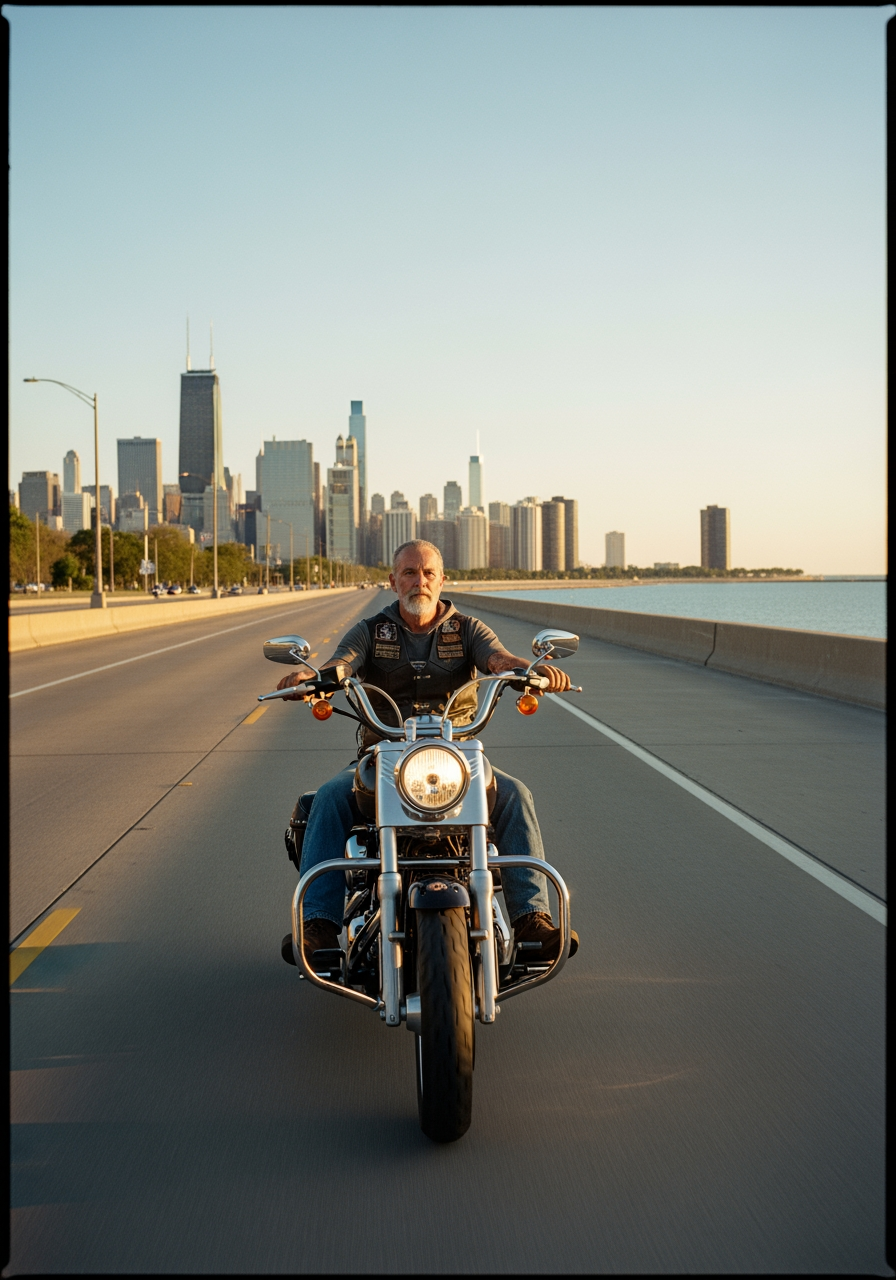
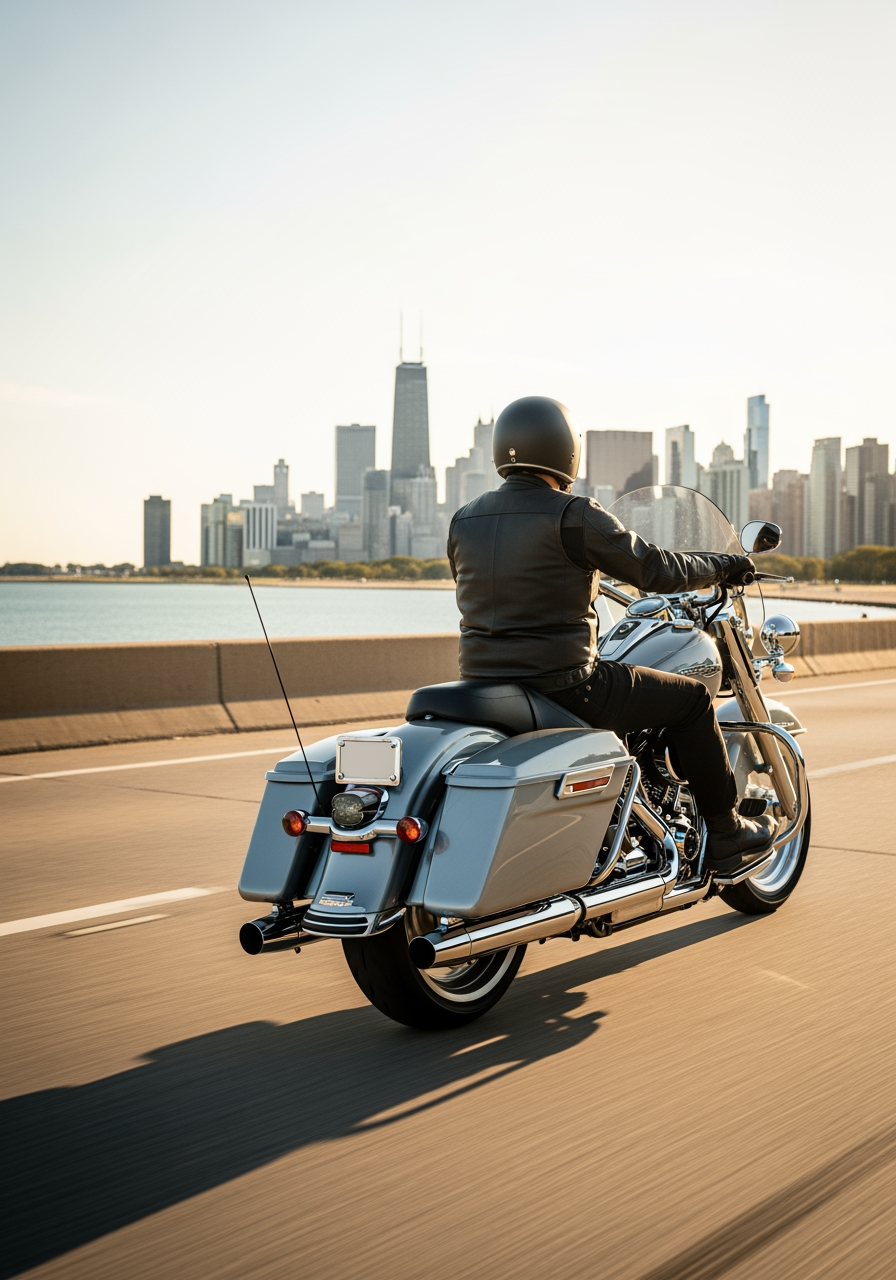
Put DuSable Lake Shore Drive at the top of the spring list. Lake on one side, skyline on the other, early Sunday before the city wakes up. #RideNationChicago #LakeShoreDrive #ChicagoRiders
Gear & New Iron
Your helmet has an expiration date even if it never hit the ground. The foam breaks down, so five years from the manufacture stamp is the honest replace point. Check the date sticker inside. #RideNationChicago #GearUp #ATGATT
Safety & IL Law
Illinois has no helmet law, but skipping one cannot be used to blame you for a head injury. Your ride, your call. Eye protection is still required by law. Questions after a crash? Derek Martin and the DDT Injury Team, no cost to talk. 773-832-5109. #RideNationChicago #IllinoisLaw #MotorcycleSafety
Engagement
Tag your ride-or-die, the one who always answers the group text when someone says 'quick ride?' #RideNationChicago #RideOrDie #Chicagoland
Giveaway & Countdown
Imagine rolling into spring on a brand new bike you paid zero for. Somebody in this community will. Entry link in the comments, free to enter. #RideNationChicago #MotorcycleGiveaway #ChicagoRiders
Local Chicago & Rides
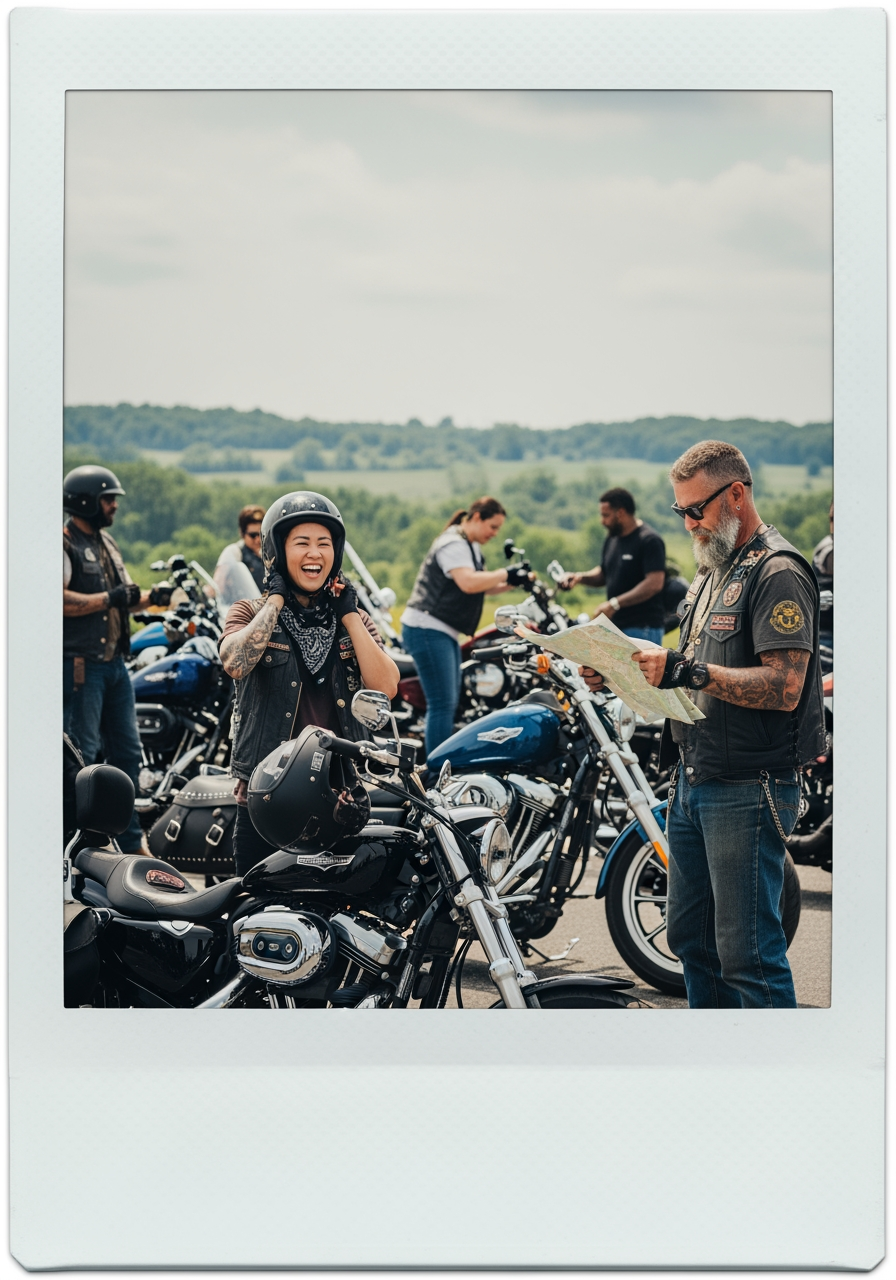
Sheridan Road through the North Shore is a spring classic. Slow curves, big trees, lakefront towns worth a coffee stop. On the list for the first dry weekend. #RideNationChicago #NorthShore #IllinoisRiding
Gear & New Iron
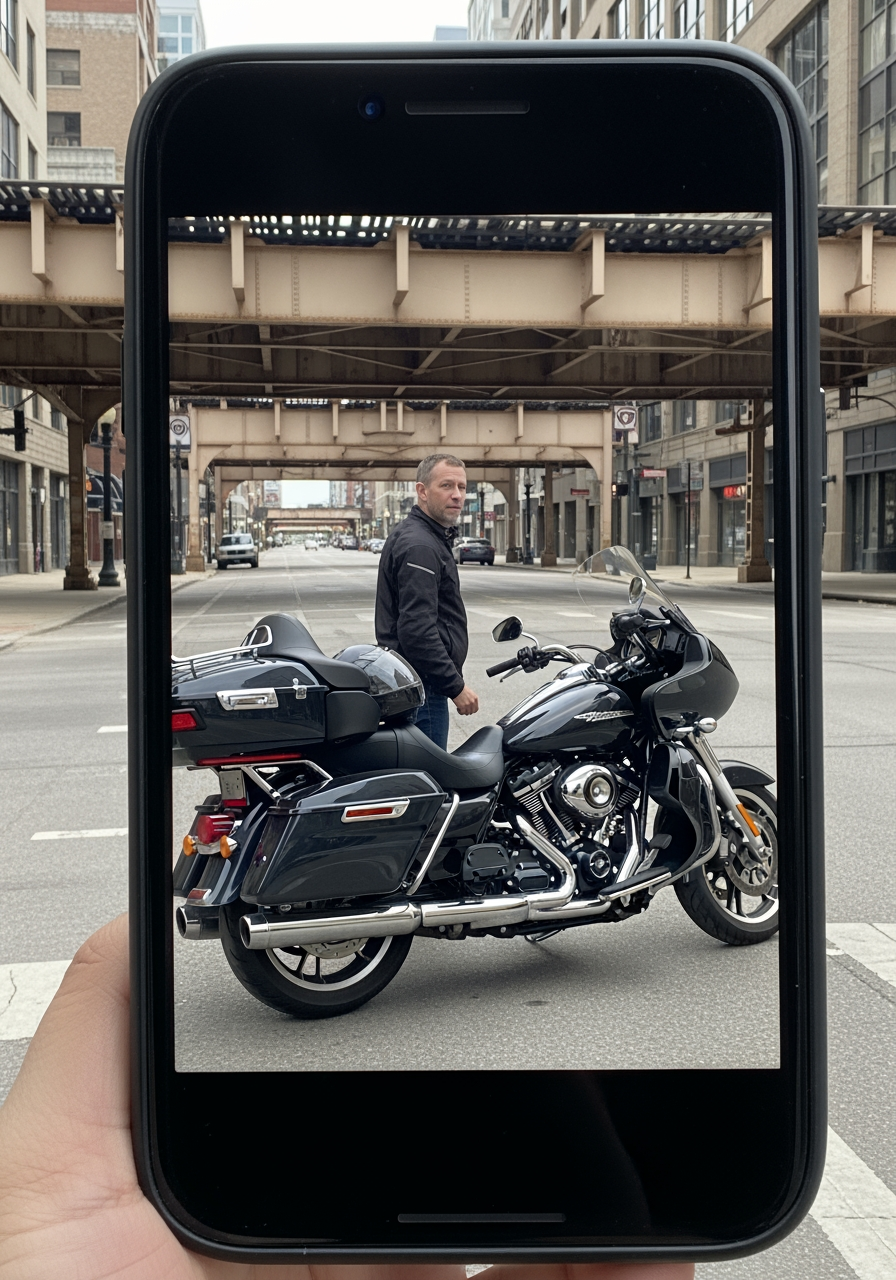
Dropped your lid in the garage? Replace it. One hard hit on concrete can crush the liner even when the shell looks fine, and a compromised liner will not protect your head twice. #RideNationChicago #GearUp #RiderTips
Safety & IL Law
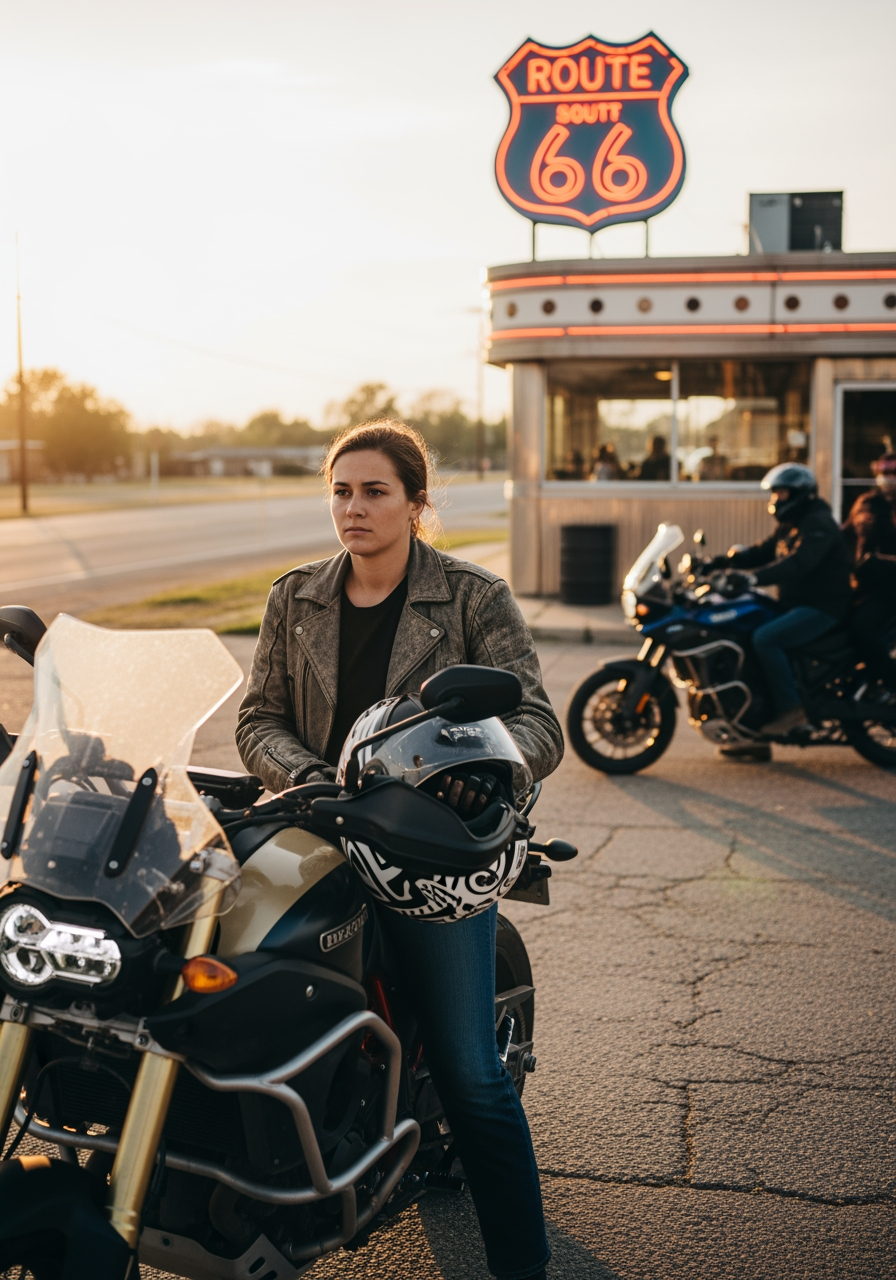
Illinois fact: your UM coverage cannot be waived, and it is what pays when a hit-and-run driver vanishes. Carry more than the 25/50 minimum if you can. Hurt and unsure what is next? DDT Injury Team, 773-832-5109. #RideNationChicago #UninsuredMotorist #KnowYourRights
Engagement
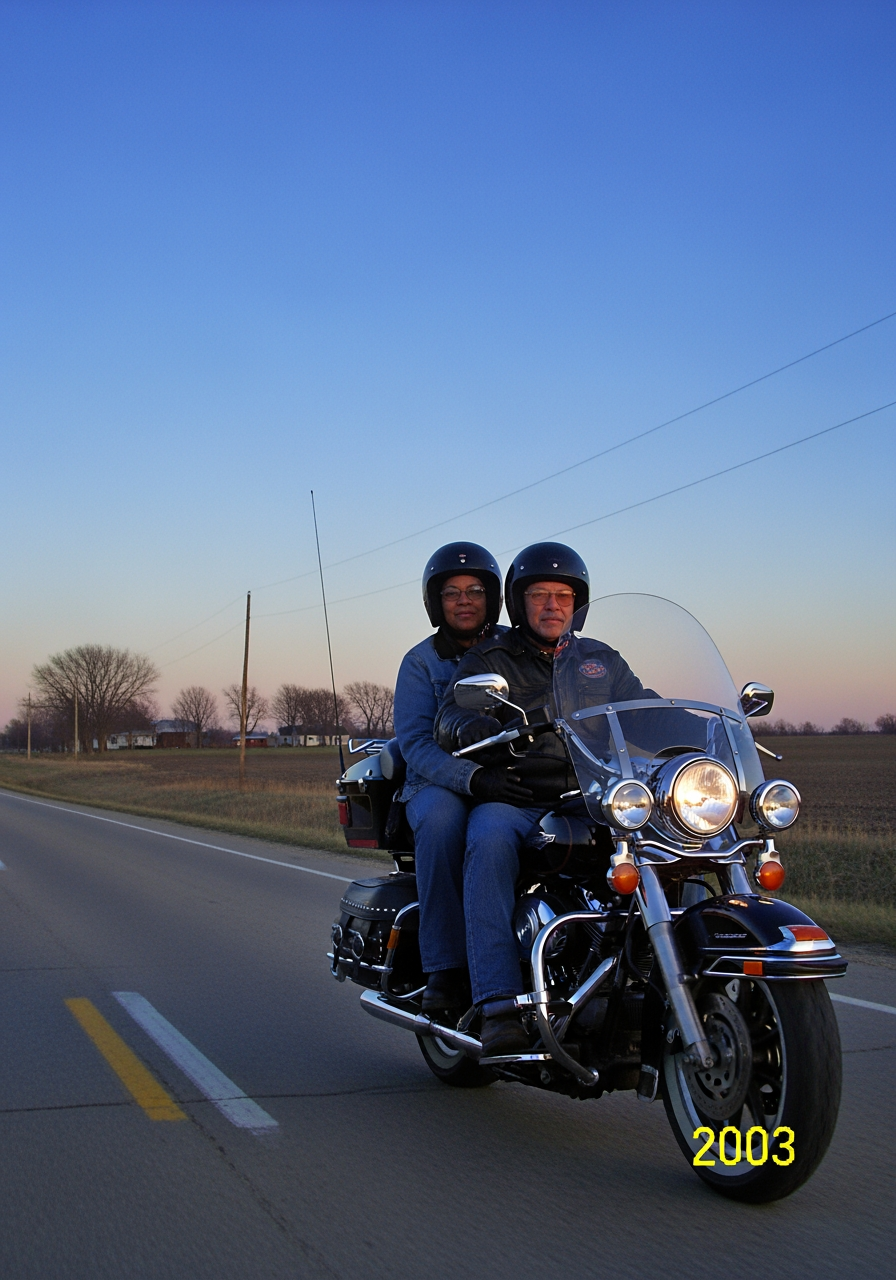
Fill in the blank: winter in Chicago means my bike is ________. Go. #RideNationChicago #ChicagoMotorcycles #BikerLife
Giveaway & Countdown
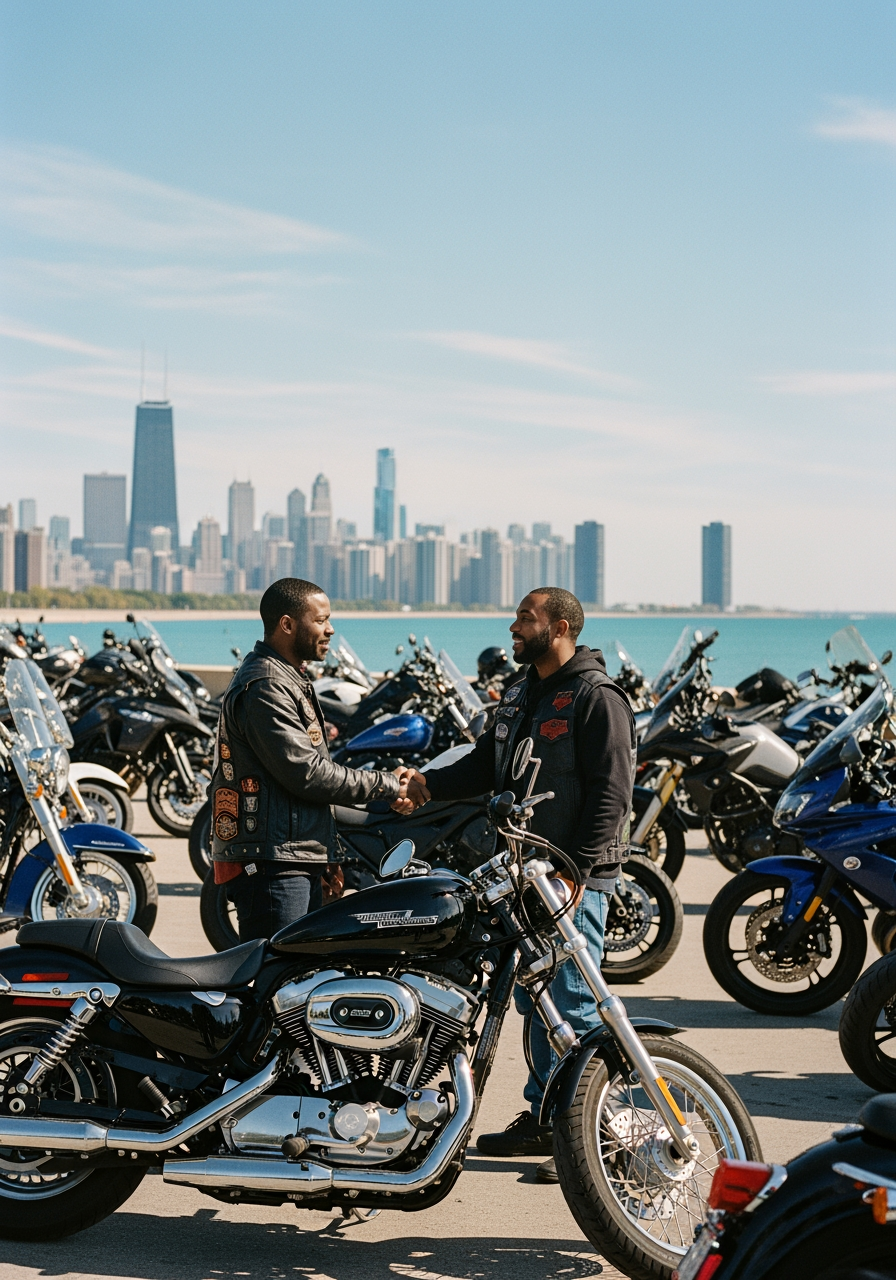
Picture $20,000 landing in your lap for whatever bike has been living rent free in your head. That winner gets drawn December 10. Link in comments. #RideNationChicago #20kGiveaway #WinABike
Local Chicago & Rides
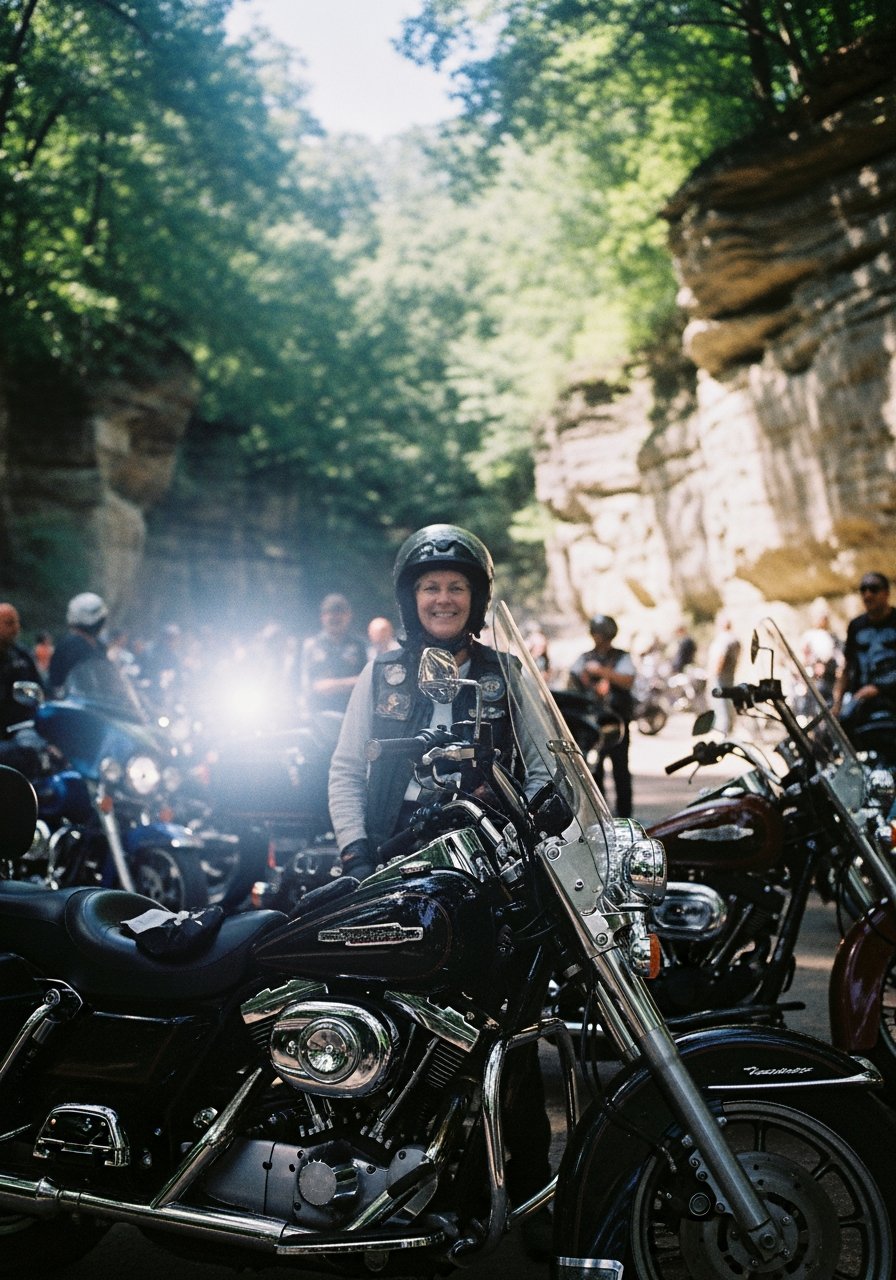
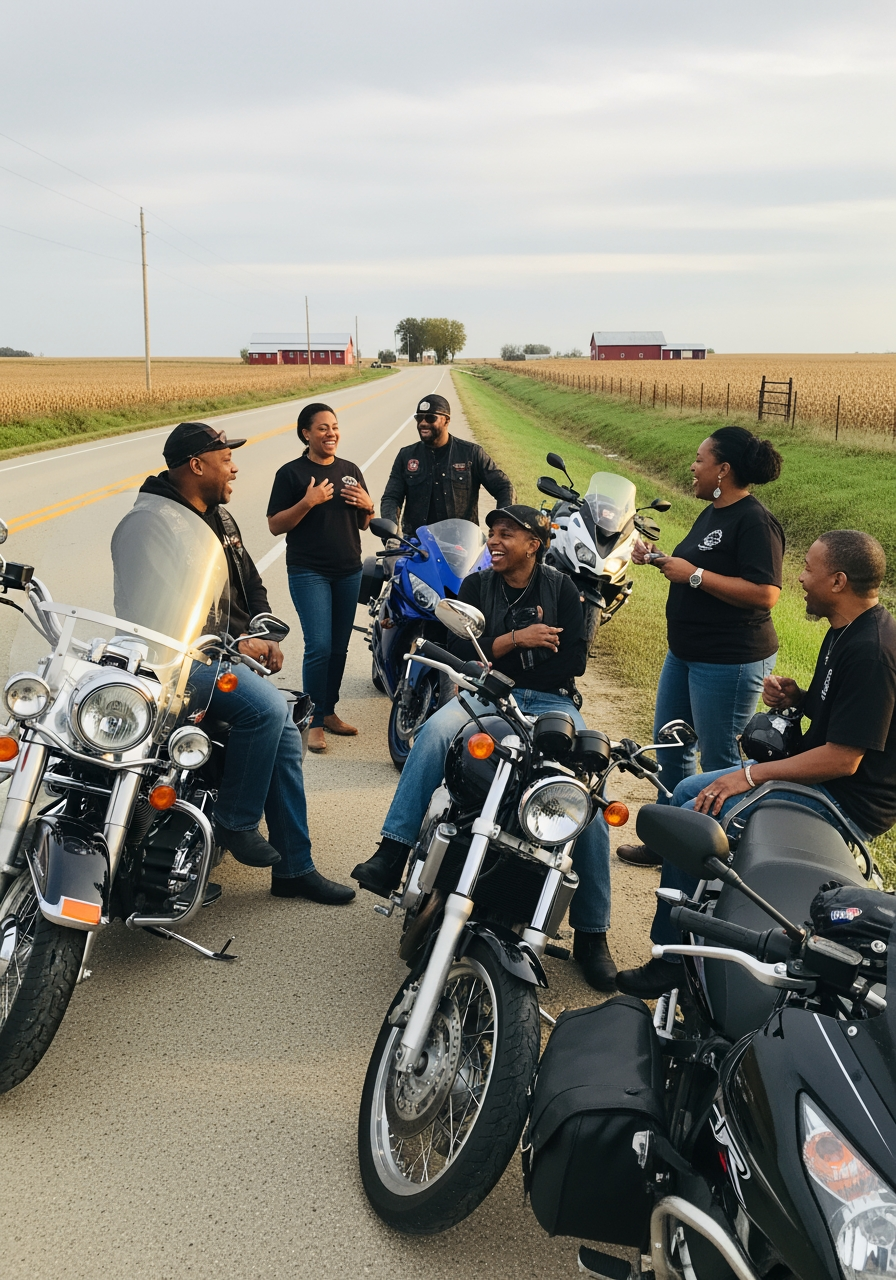
Starved Rock and the Illinois River Road down Route 71 and 178 is calling. Bluffs, river bends, and pavement that actually turns. Save it for spring. #RideNationChicago #StarvedRock #MotorcycleRoads
Gear & New Iron
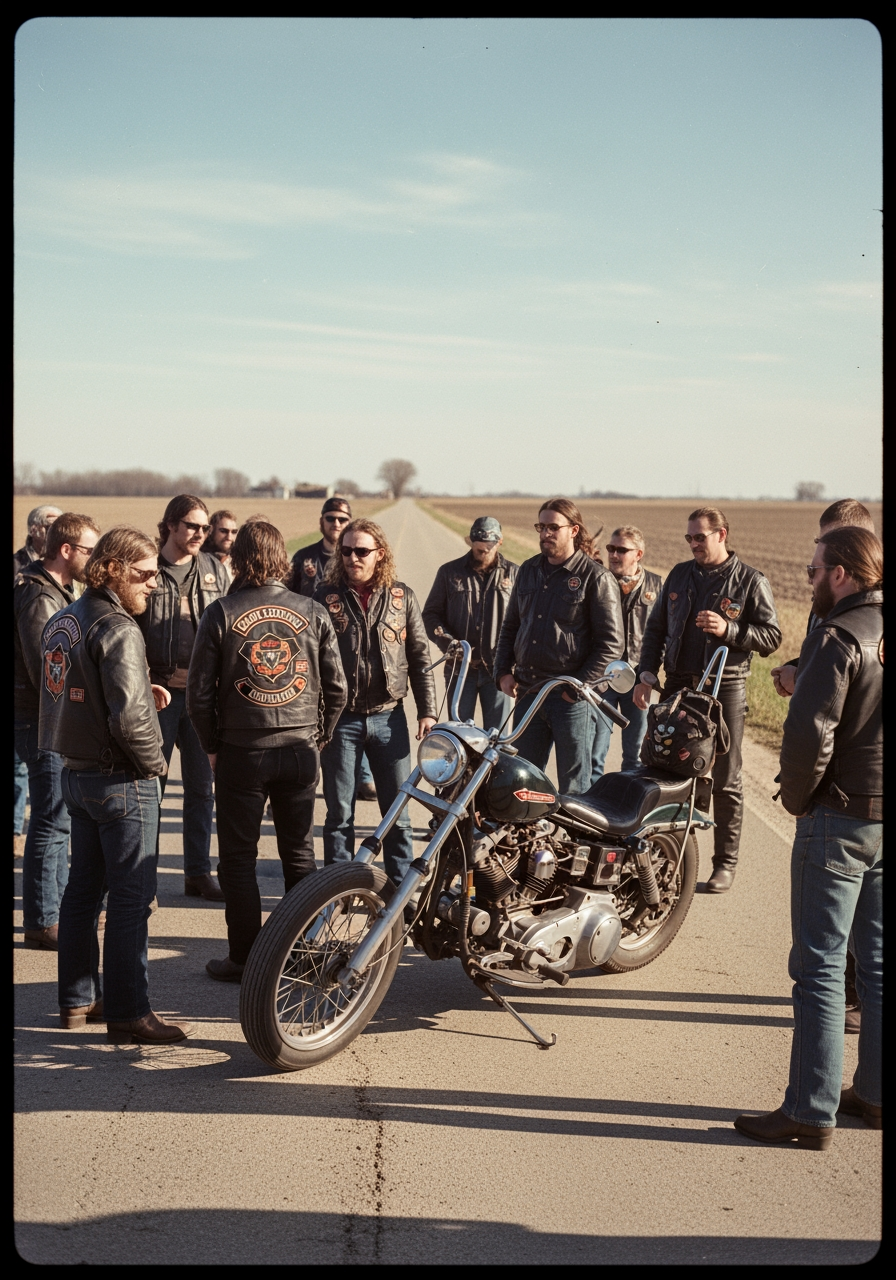
DOT sticker is the floor, not the ceiling. Look for it on the back of any helmet you buy, and skip the novelty shells that skip the standard. Your skull is worth the real one. #RideNationChicago #ATGATT #GearUp
Safety & IL Law
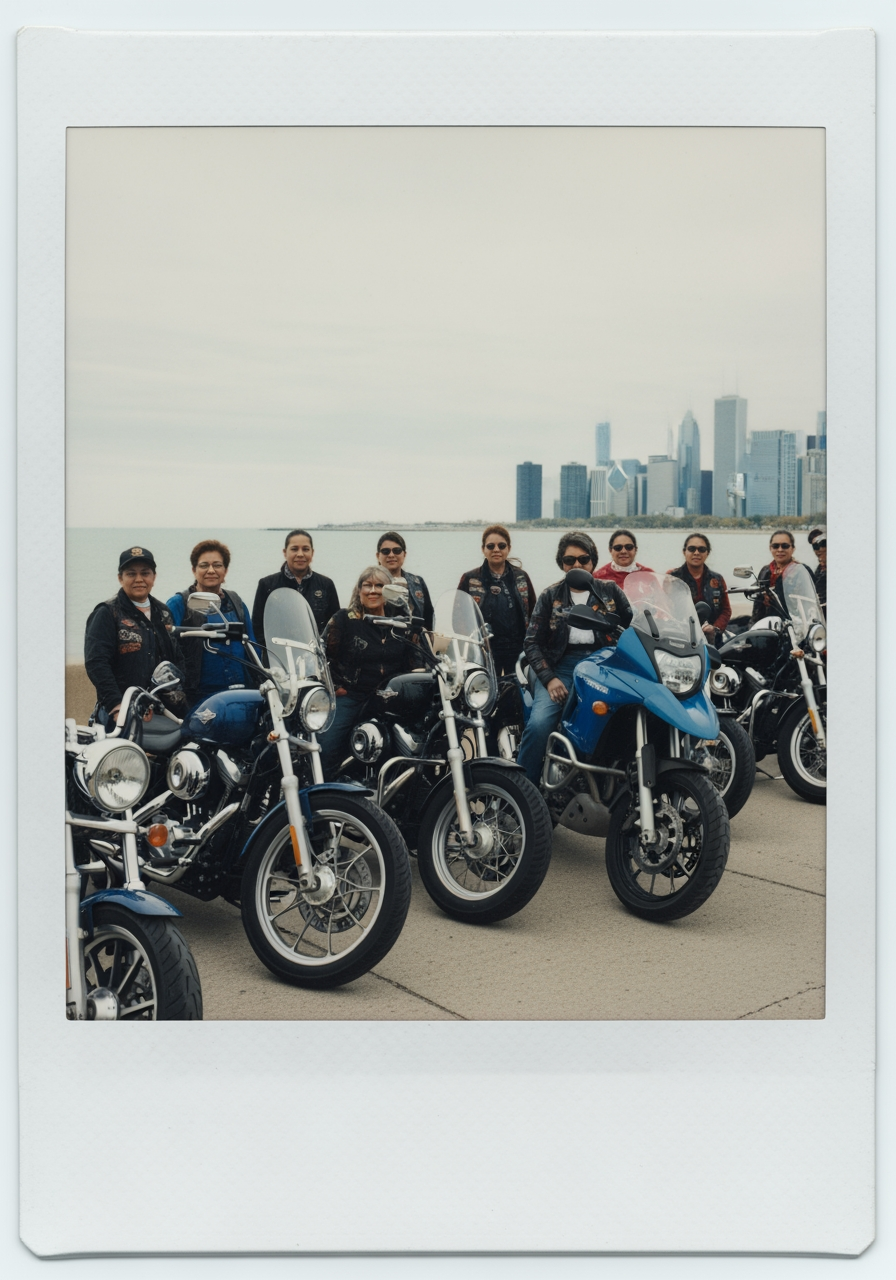
The state minimum is 25/50/20, but that goes fast after a serious wreck. Bump to 100/300 if your budget allows. Want to know what your policy really covers? Derek and the team will walk you through it. 773-832-5109. #RideNationChicago #IllinoisLaw #RiderSafety
Engagement
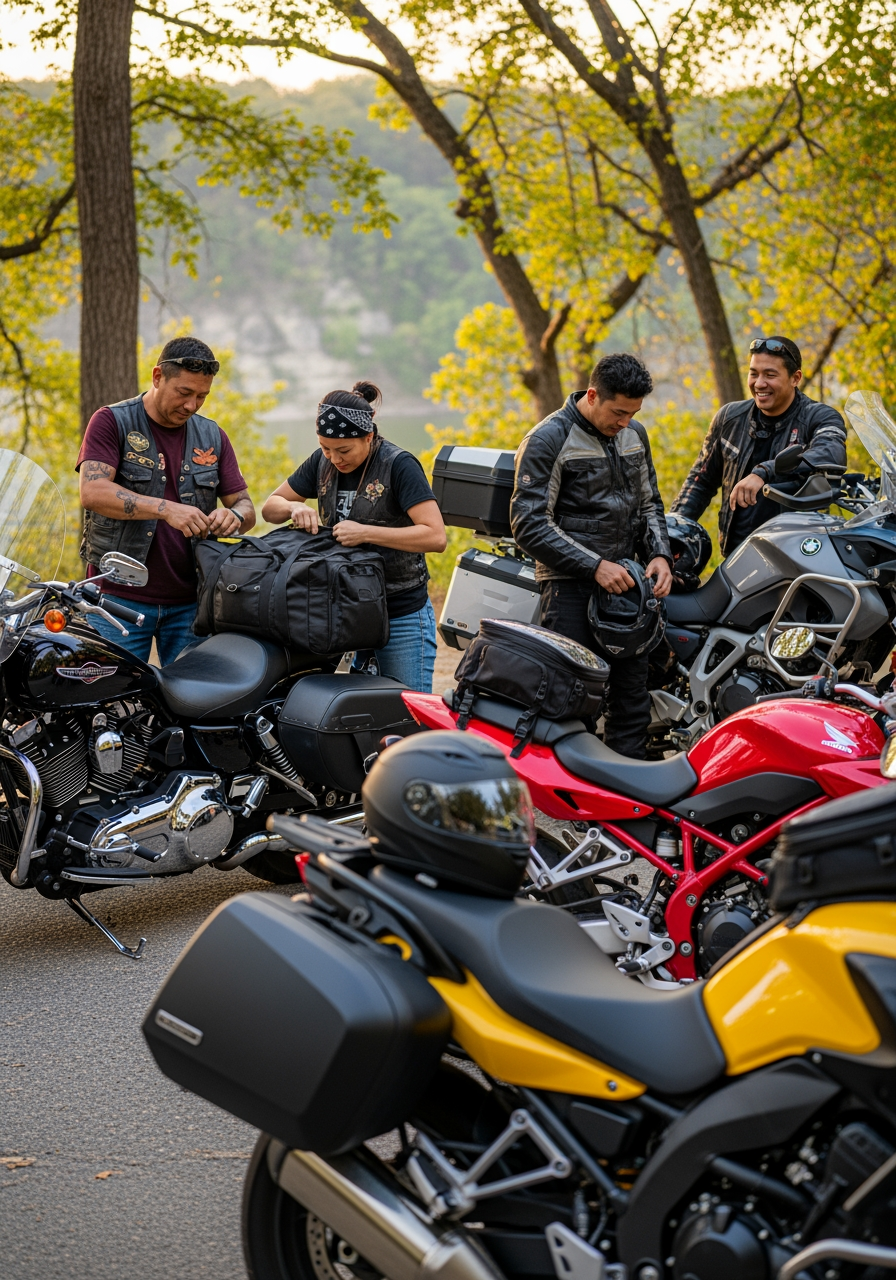
Caption this: it is 38 degrees, sunny, and you are already reaching for the keys. What are you telling yourself. #RideNationChicago #ChicagoRiders #MotorcycleCommunity
Giveaway & Countdown
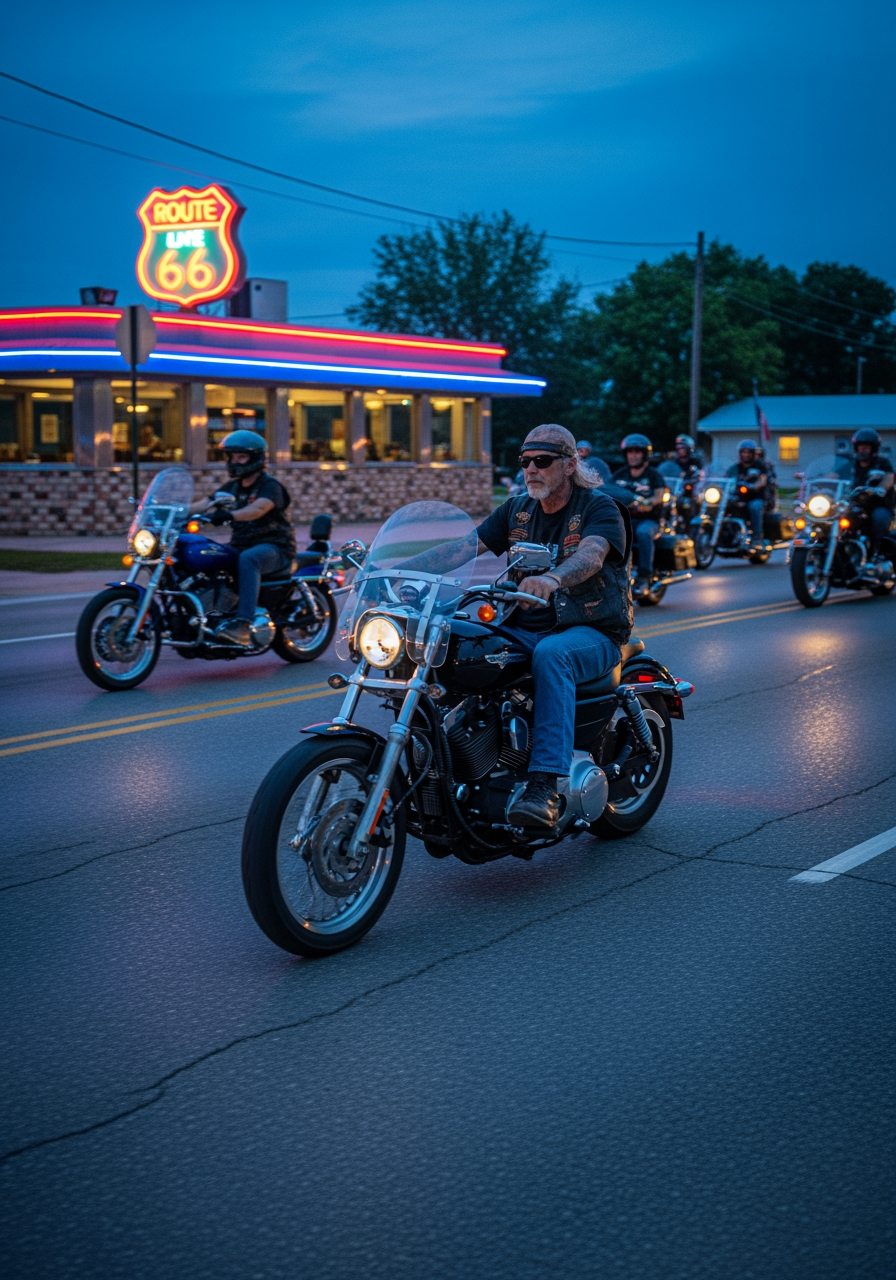
Why not you? Riders across Chicago are entering the BikersWin $20,000 giveaway, and it costs nothing. Grab your spot, entry link in the comments. #RideNationChicago #BikersWin #FreeToEnter
Local Chicago & Rides
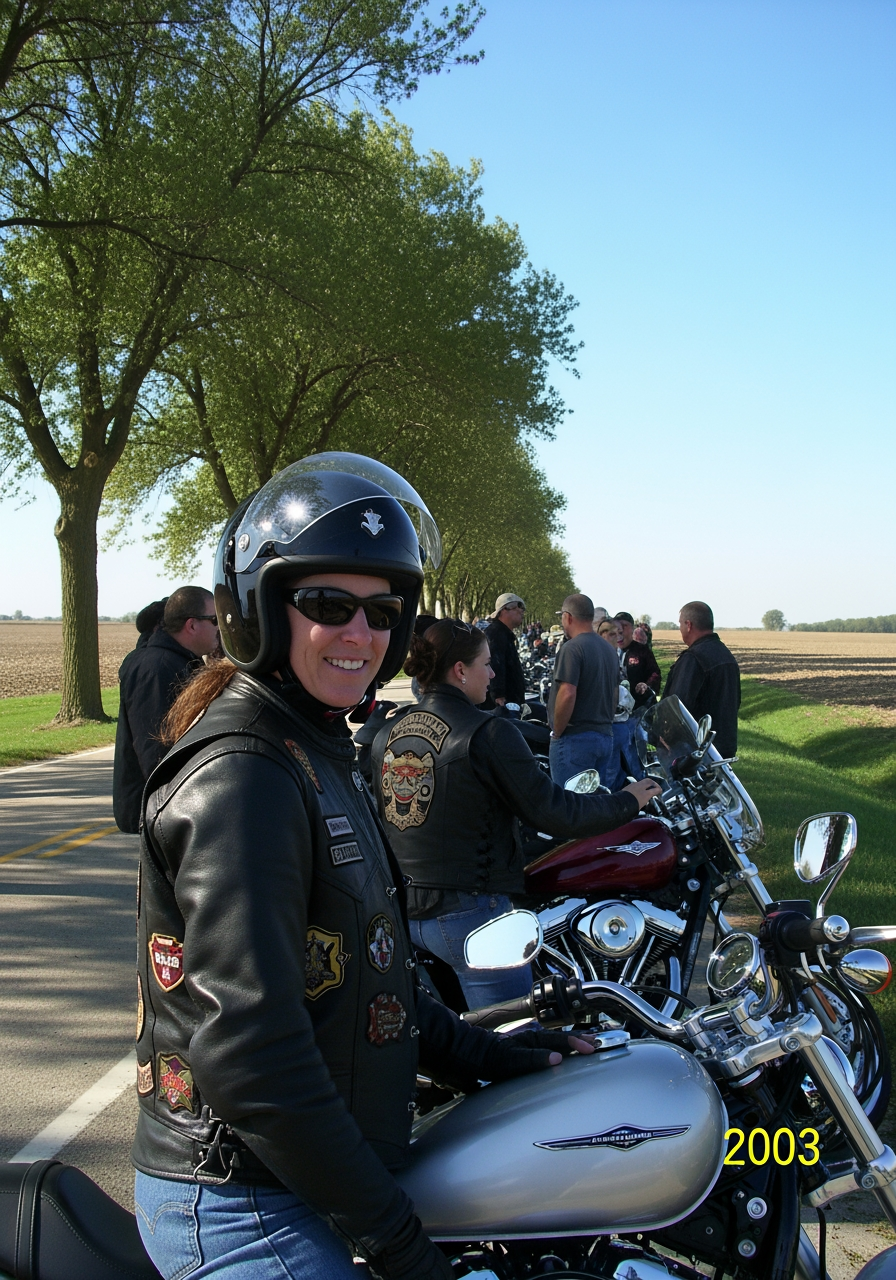
The Fox River run through Geneva and St. Charles never gets old. River on your shoulder, easy pace, plenty of places to stop and stretch. Spring plan. #RideNationChicago #FoxRiver #IllinoisRiding
Gear & New Iron
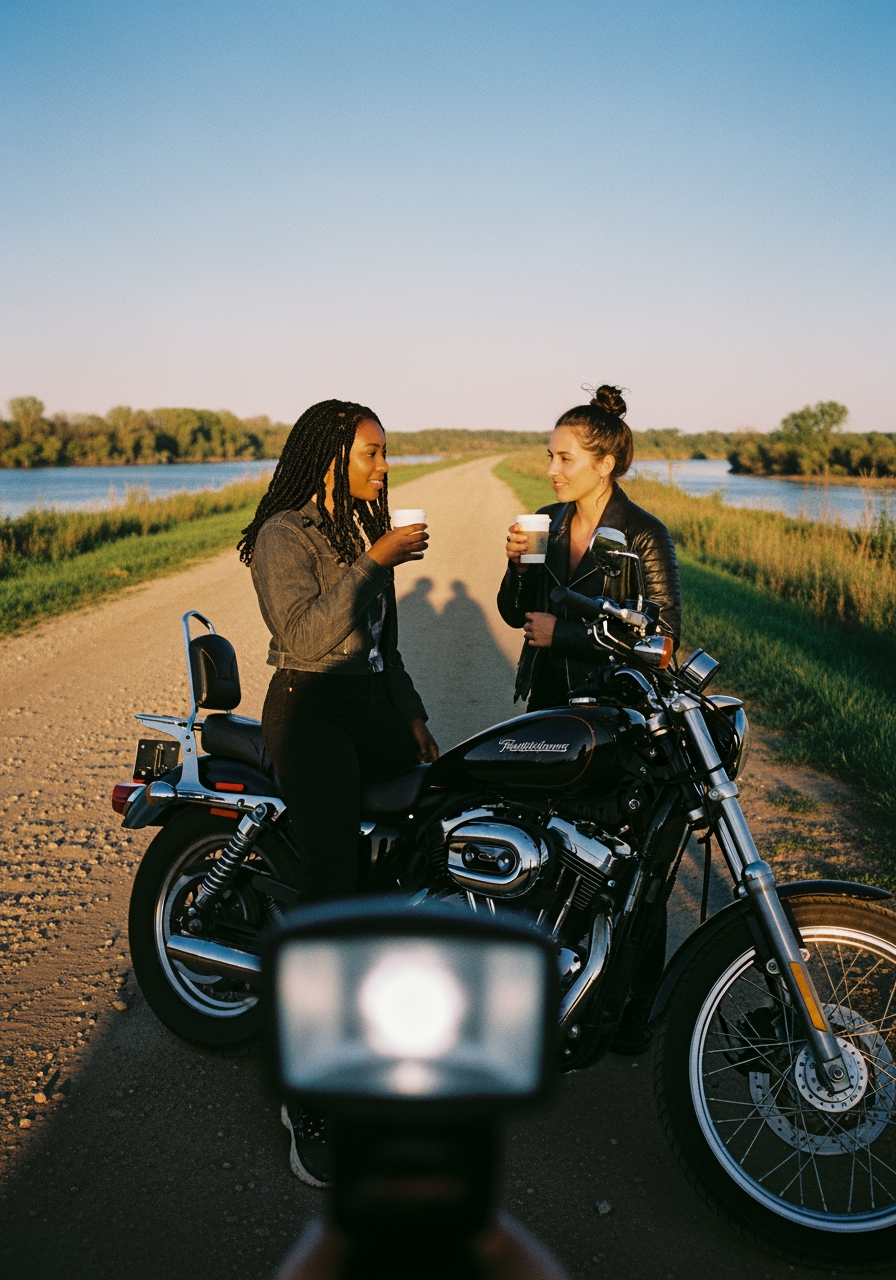
A back protector is the piece most riders skip and wish they had not. A CE level 2 insert slides right into most jacket pockets and covers the part of you that does not heal fast. #RideNationChicago #ATGATT #RiderTips
Safety & IL Law
Illinois runs a 50 percent rule. If you are found more than half at fault, you recover nothing. That is why how a crash gets documented matters. Questions after a wreck? DDT Injury Team, no cost to talk. 773-832-5109. #RideNationChicago #KnowYourRights #IllinoisLaw
Engagement
Poll: heated grips, yes or no. Settle this for us once and for all. #RideNationChicago #IllinoisRiders #TwoWheels
Giveaway & Countdown
One winner. $20,000. Any motorcycle you want. Drawn December 10 and it will not draw itself, so enter now. Link in comments, free to enter. #RideNationChicago #MotorcycleGiveaway #Chicagoland
Local Chicago & Rides
The I and M Canal path country is flat, quiet, and perfect for clearing your head. Add it to the spring rotation when the salt is gone. #RideNationChicago #IllinoisRiding #MotorcycleRoads
Gear & New Iron
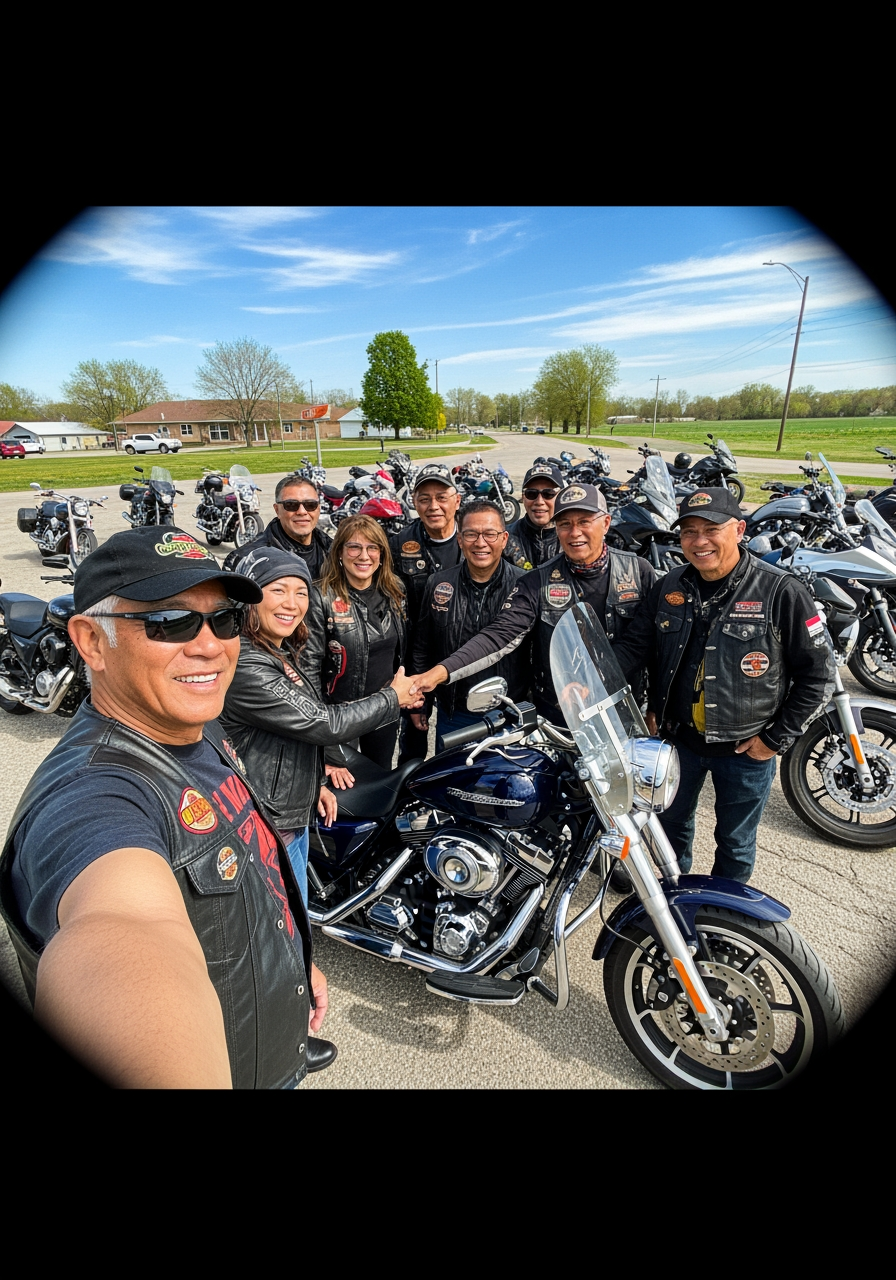
Gloves are not optional, even for the short run to the shop. Your hands go out first in a slide, and road rash on your palms makes everything after miserable. Full fingers, always. #RideNationChicago #ATGATT #GearUp
Safety & IL Law
You have two years to file an injury claim in Illinois. Wait too long and the door closes for good. Not sure where your clock stands? Derek Martin and the team can tell you. 773-832-5109. #RideNationChicago #IllinoisLaw #KnowYourRights
Engagement
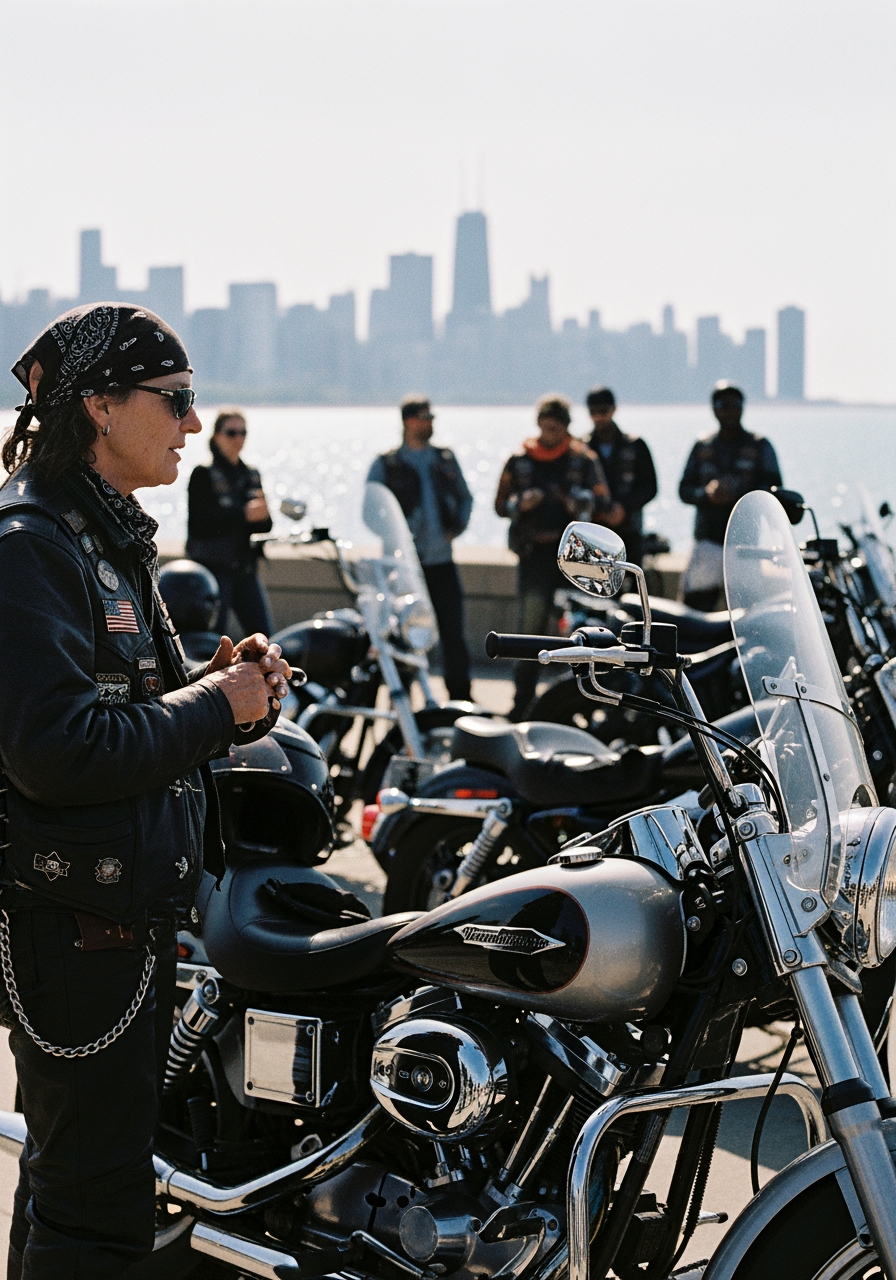
Honest question: what was the first bike you ever owned. We want the whole story. #RideNationChicago #BikerLife #ChicagoMotorcycles
Giveaway & Countdown
Countdown is on. A little over ten weeks until we draw the $20,000 winner on December 10. Plenty of time to enter, none to waste. Link in comments. #RideNationChicago #20kGiveaway #ChicagoRiders
Local Chicago & Rides
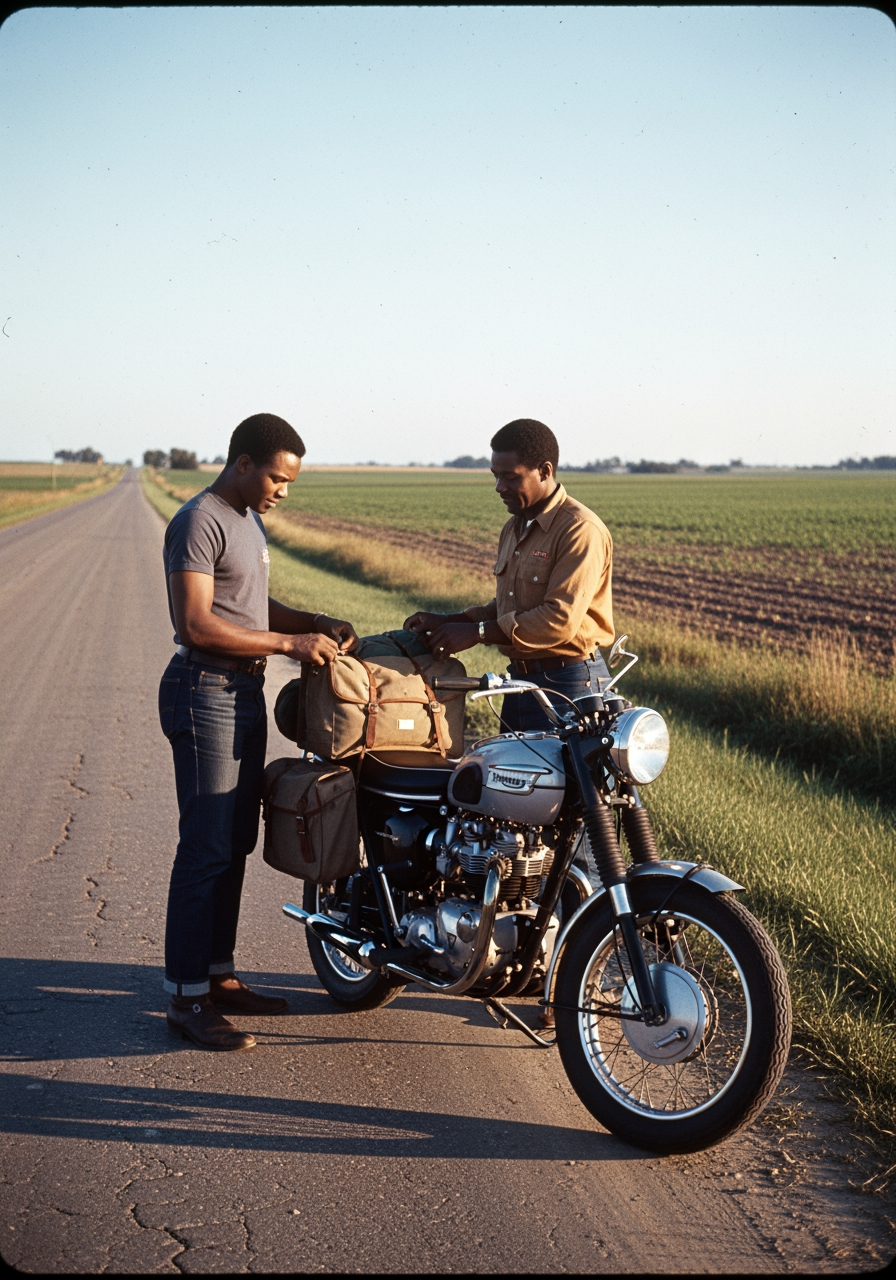
Kettle Moraine in Wisconsin is the day trip that pays you back. Rolling glacier hills and tight lines just over the state line. Come spring. #RideNationChicago #Chicagoland #MotorcycleRoads
Gear & New Iron
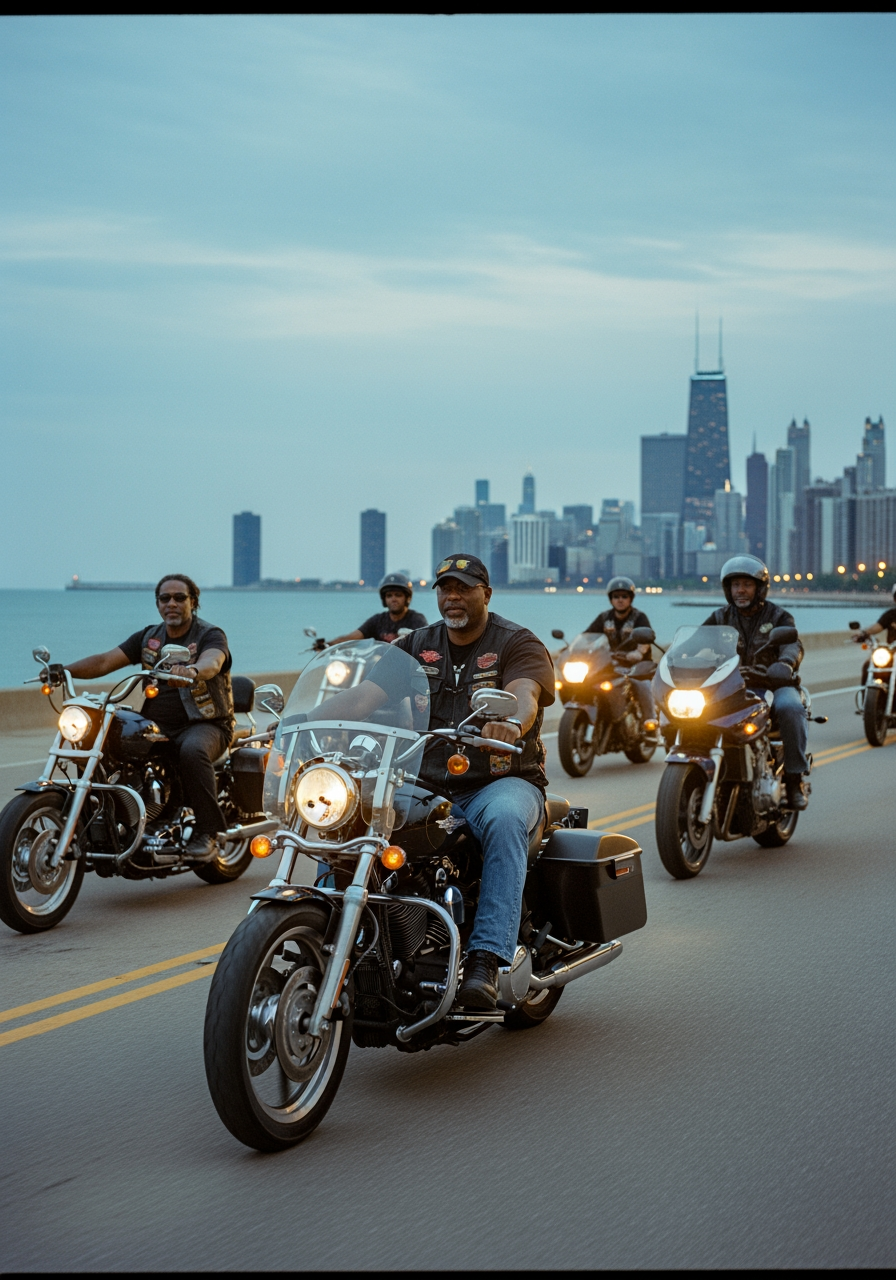
Winter gloves buy you real riding time in Chicago. Look for a gauntlet cuff that seals over your jacket sleeve so the wind stops shooting cold straight up your arm. #RideNationChicago #ColdWeatherRiding #GearUp
Safety & IL Law
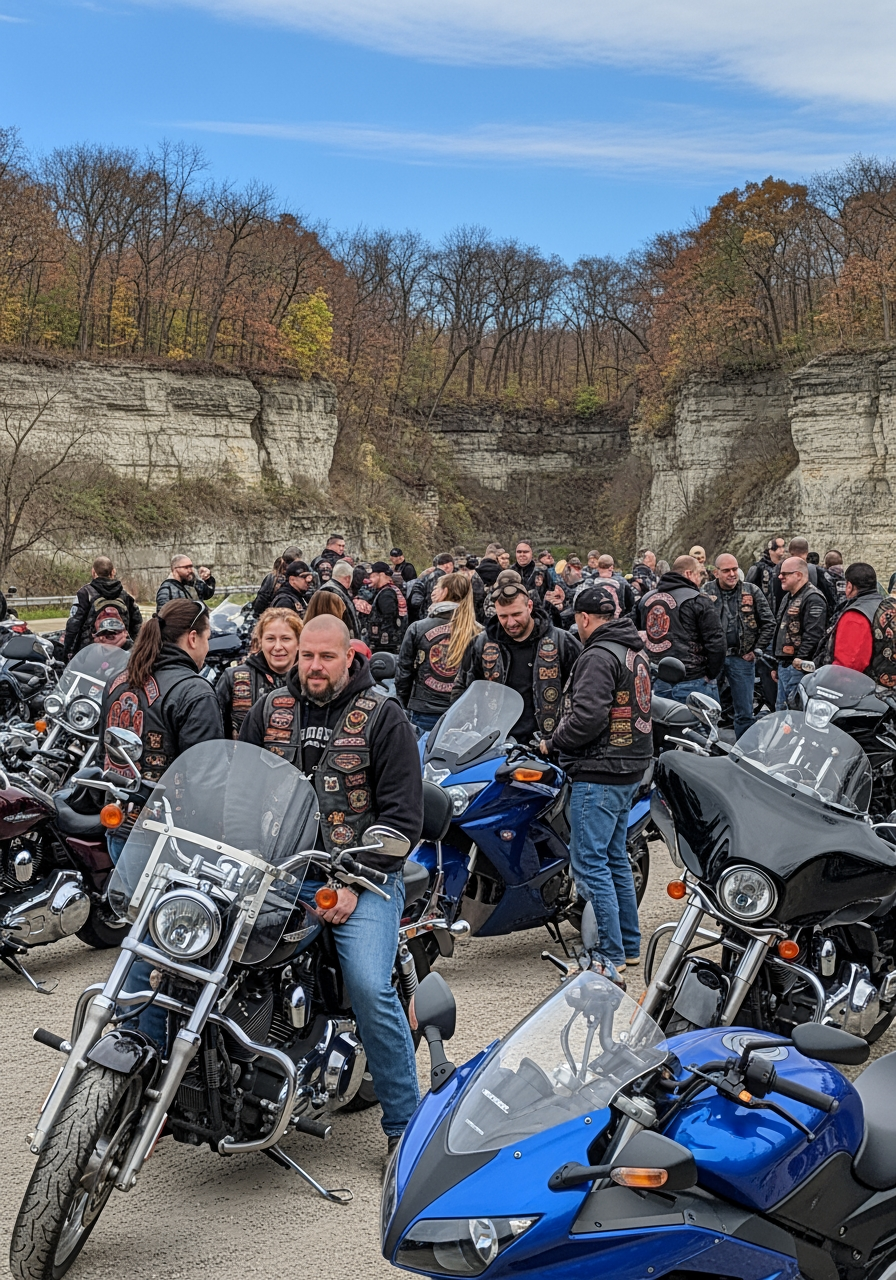
Hit a pothole and the city is at fault? You may have only one year to file under the Tort Immunity Act. Do not sit on it. Questions? DDT Injury Team, 773-832-5109. #RideNationChicago #IllinoisLaw #RiderSafety
Engagement
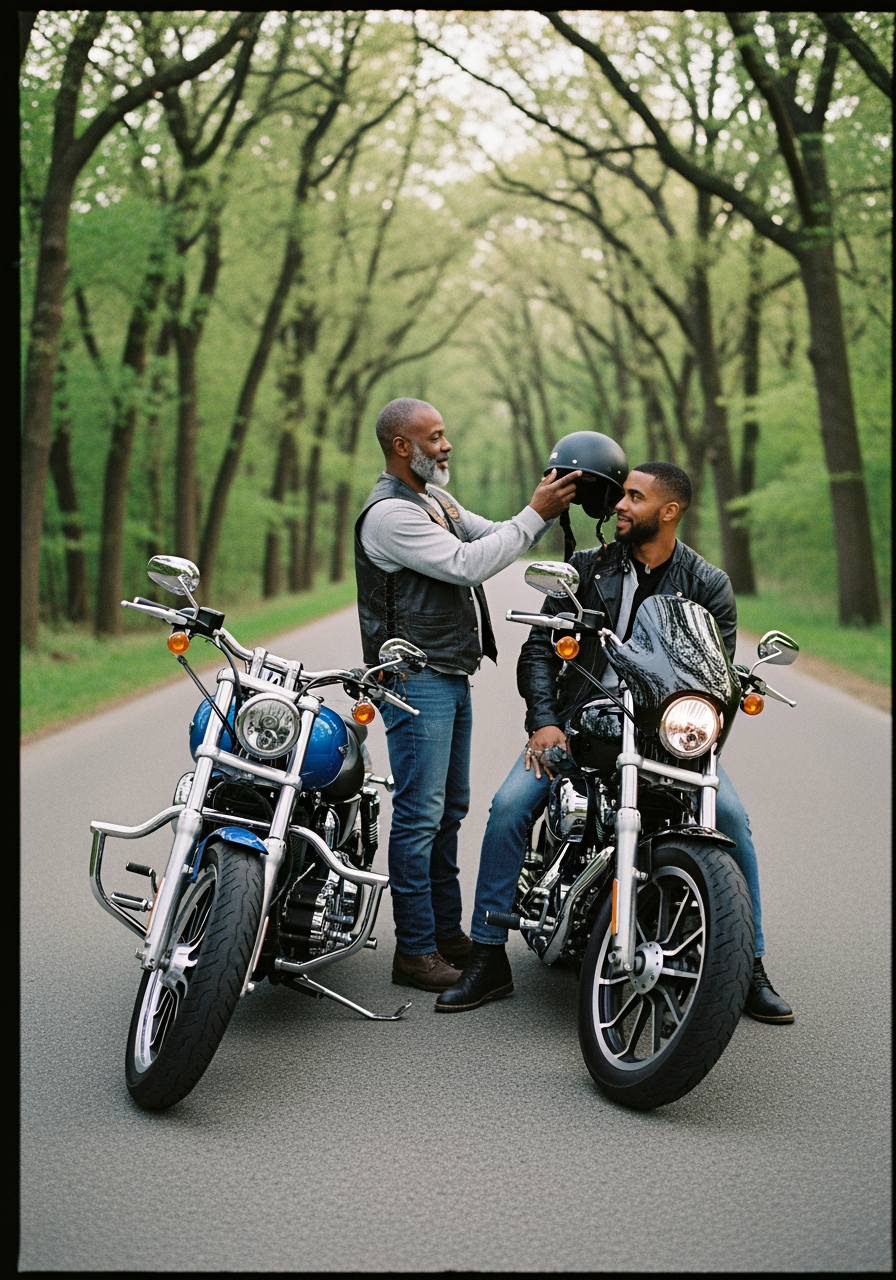
Would you rather ride one perfect 60 degree day in January or ten gray ones in April. Choose. #RideNationChicago #Chicagoland #IllinoisRiders
Giveaway & Countdown
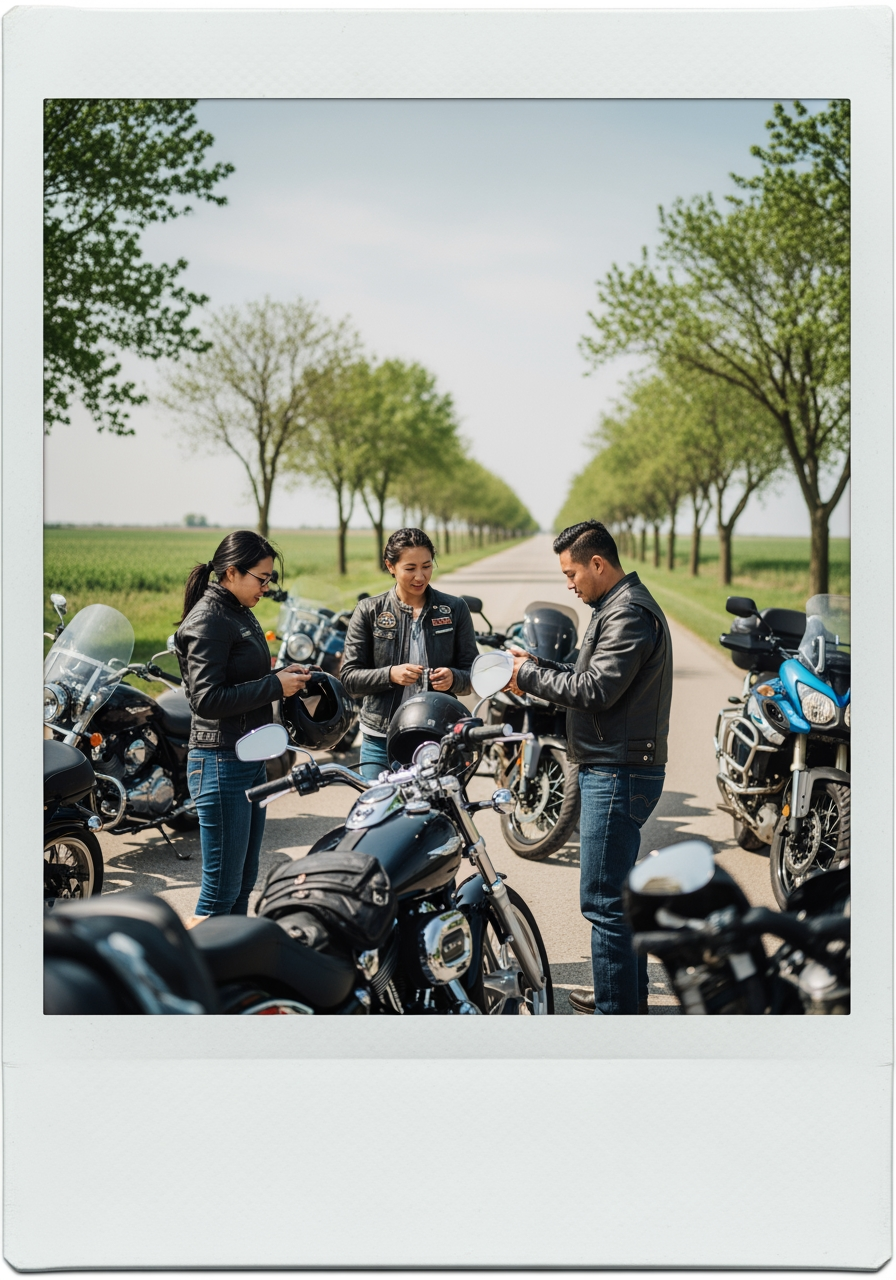
Tag a riding buddy who needs to enter this. The BikersWin $20,000 giveaway is free, open to riders 18 and up, drawn December 10. Entry link in the comments. #RideNationChicago #BikersWin #WinABike
Local Chicago & Rides
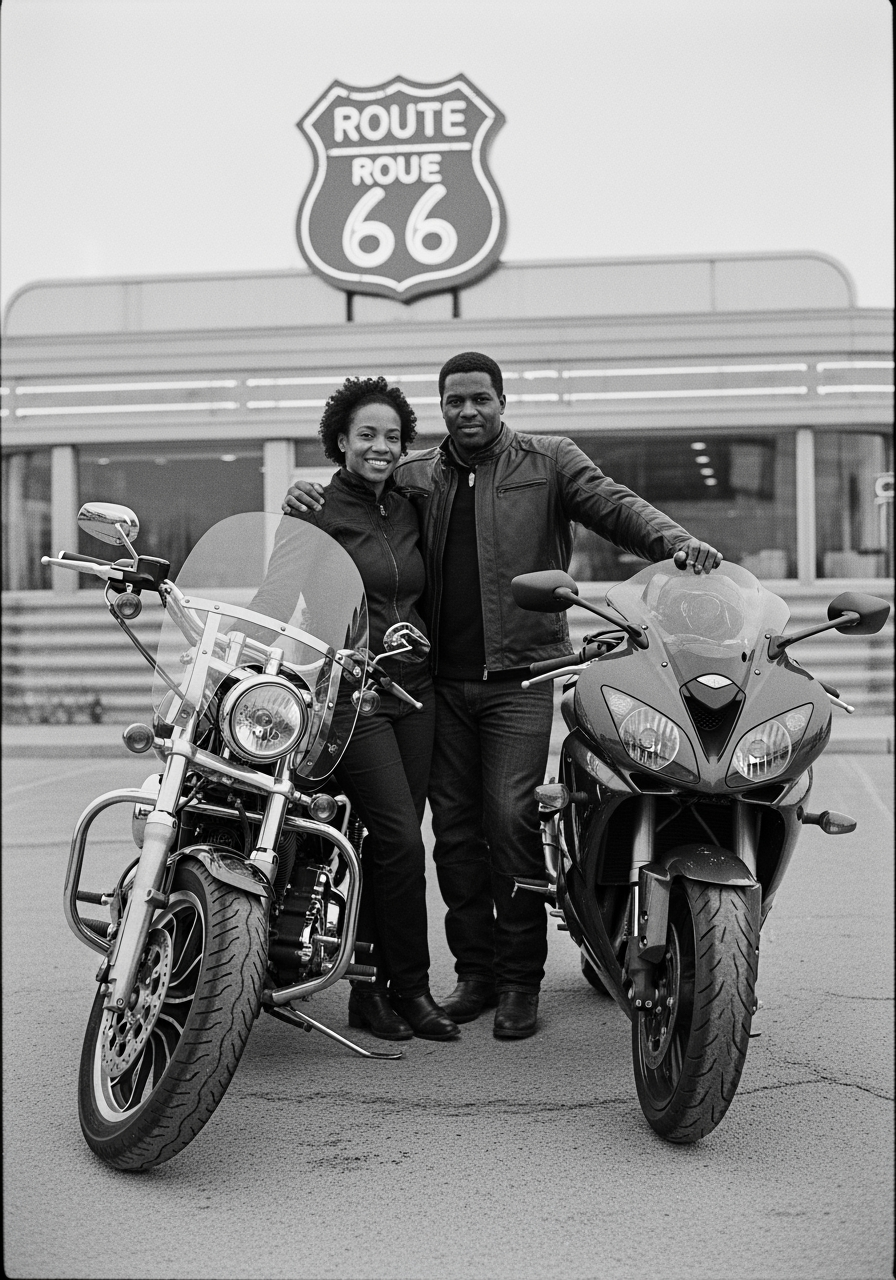
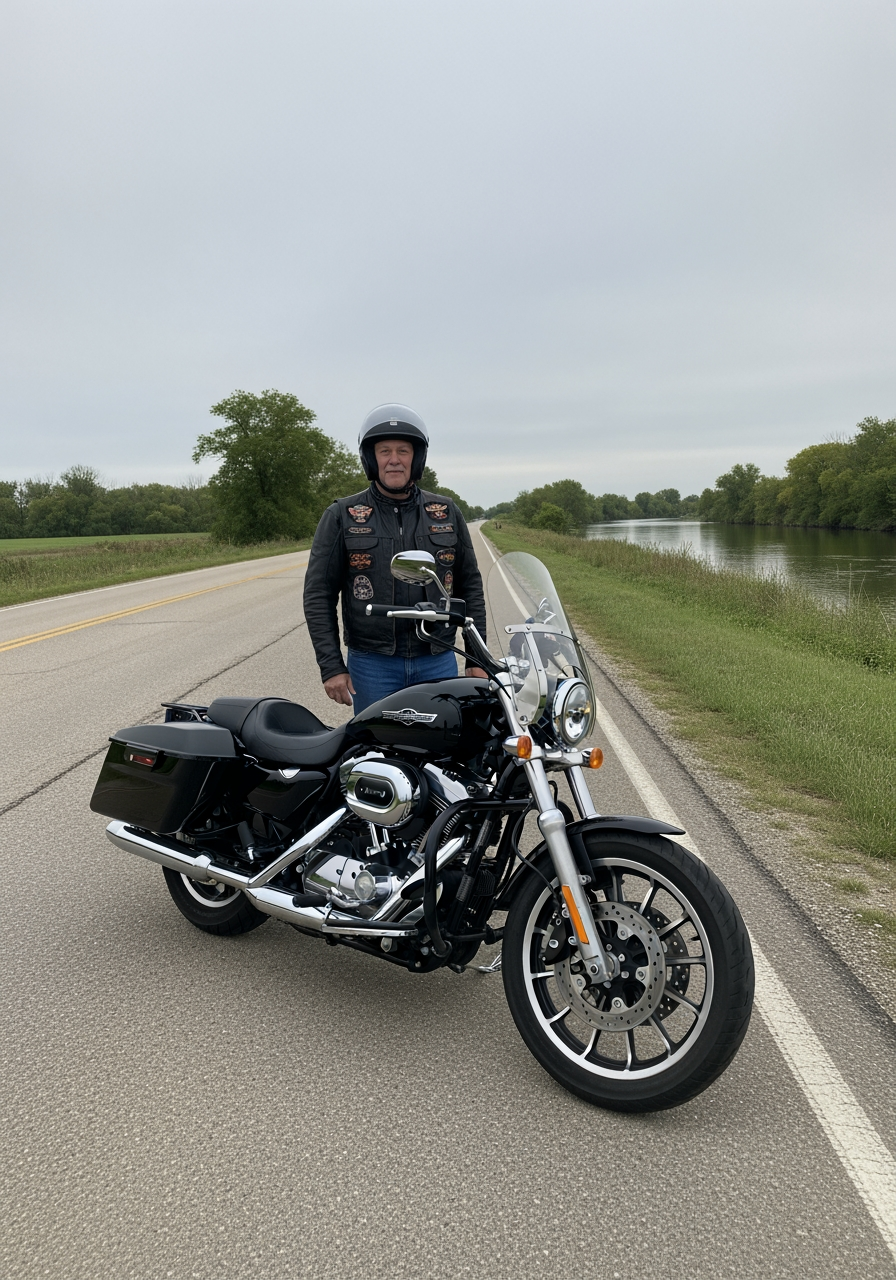
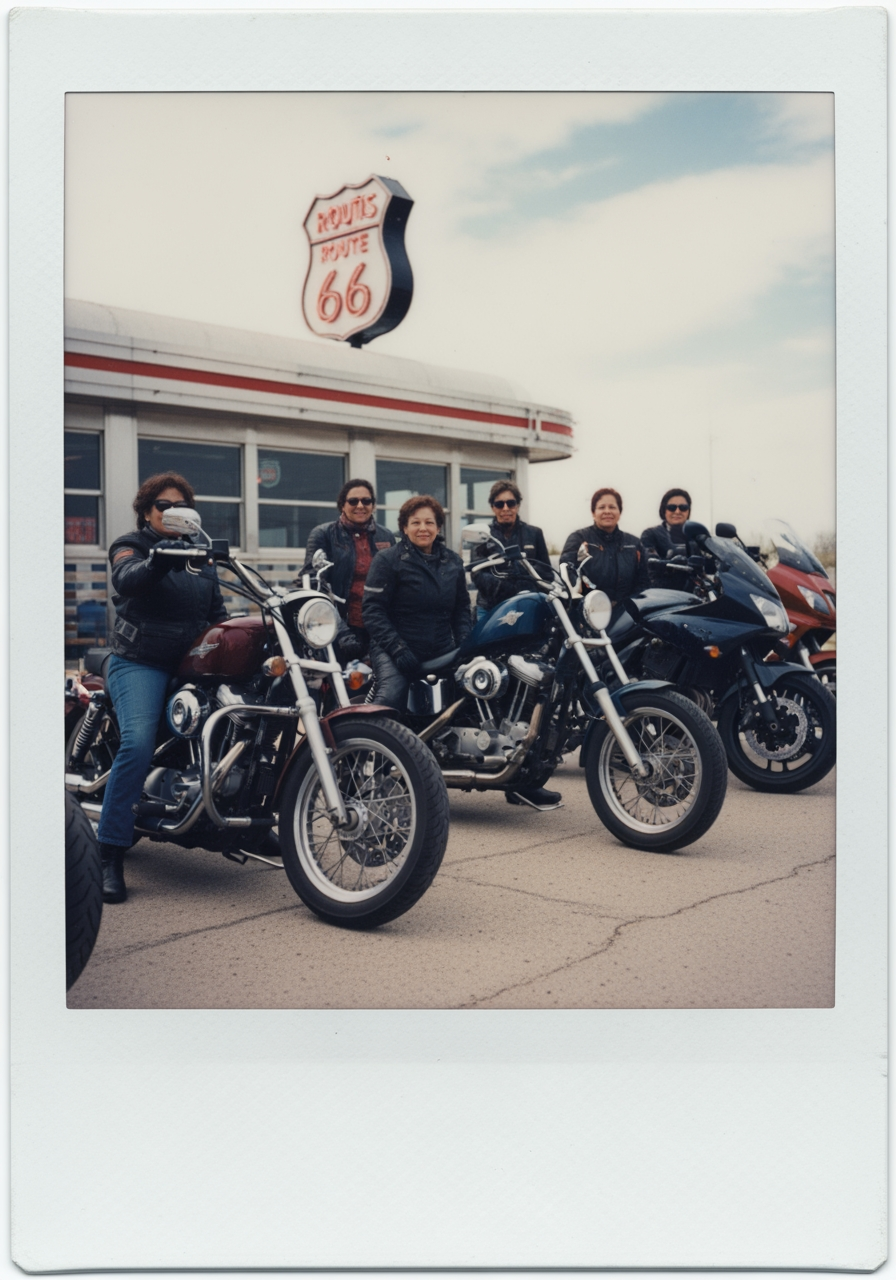
Route 66 starts right here in Chicago. Point the bike southwest and chase the old road when the weather breaks. Bucket list, spring edition. #RideNationChicago #Route66 #IllinoisRiding
Gear & New Iron
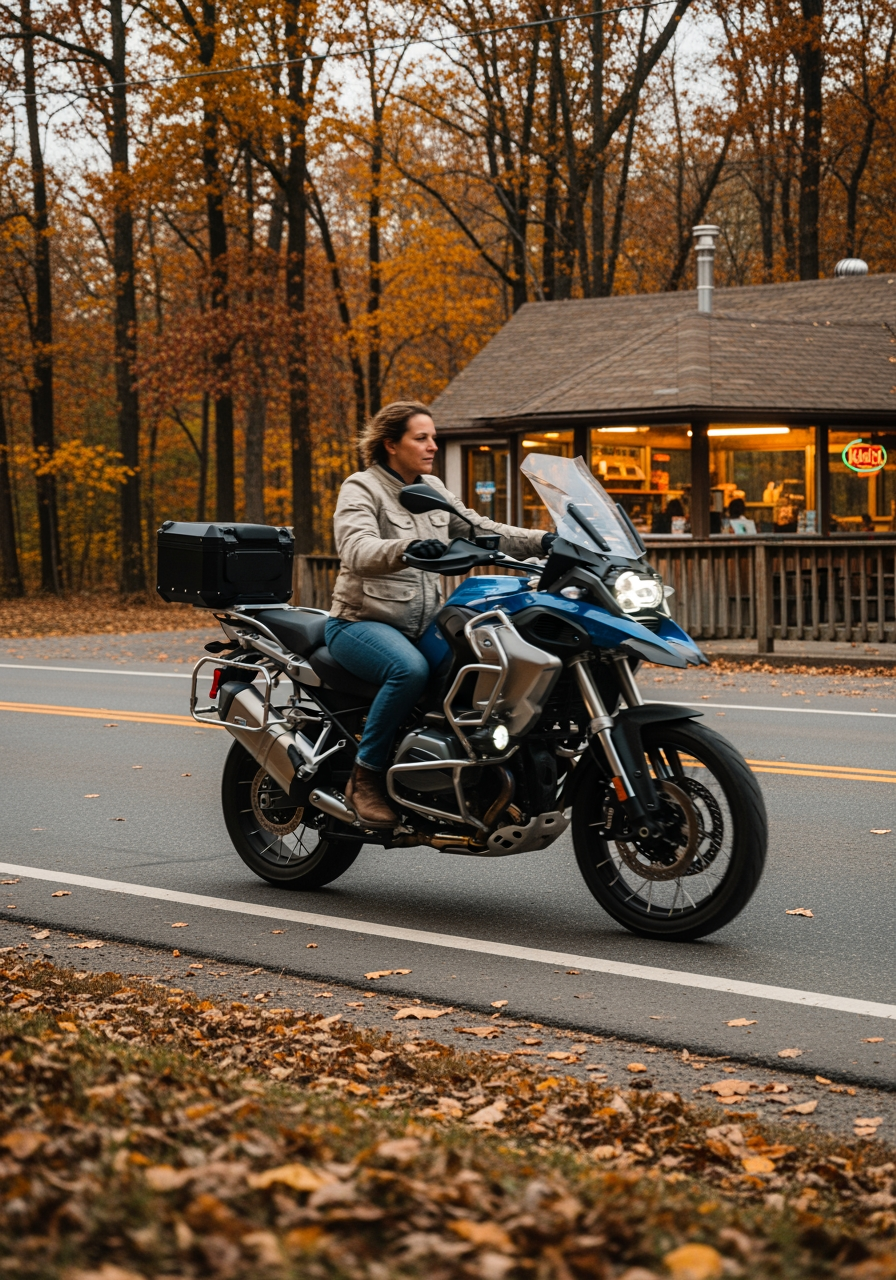
Heated grips are the cheapest comfort upgrade you can bolt on. Warm hands mean you actually feel the levers, and numb fingers are slow fingers when you need to brake. #RideNationChicago #ColdWeatherRiding #MotorcycleMaintenance
Safety & IL Law
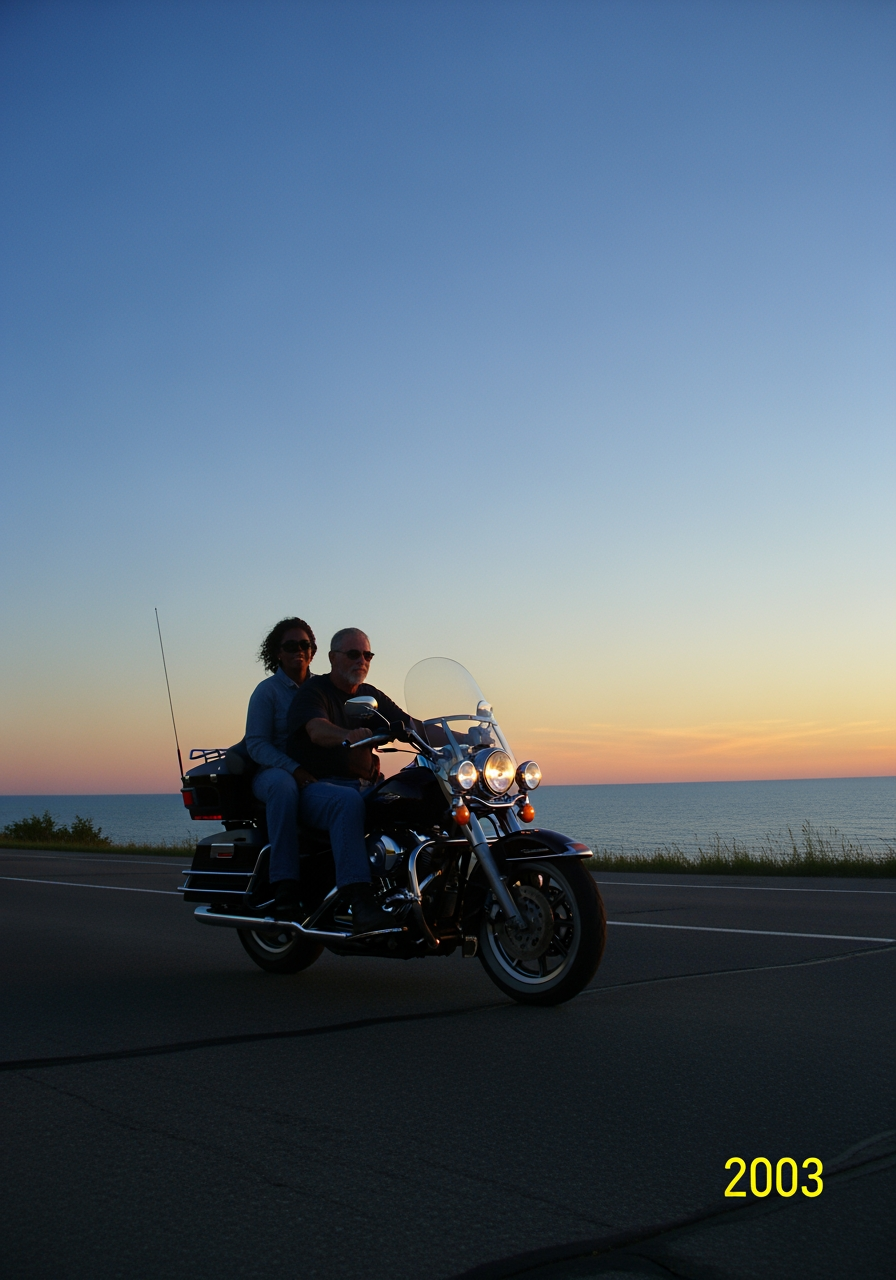
Lane splitting is not legal in Illinois. Hold your lane and keep space around you. If a driver still puts you down, we are here. Derek and the DDT Injury Team, 773-832-5109. #RideNationChicago #MotorcycleSafety #ChicagoRiders
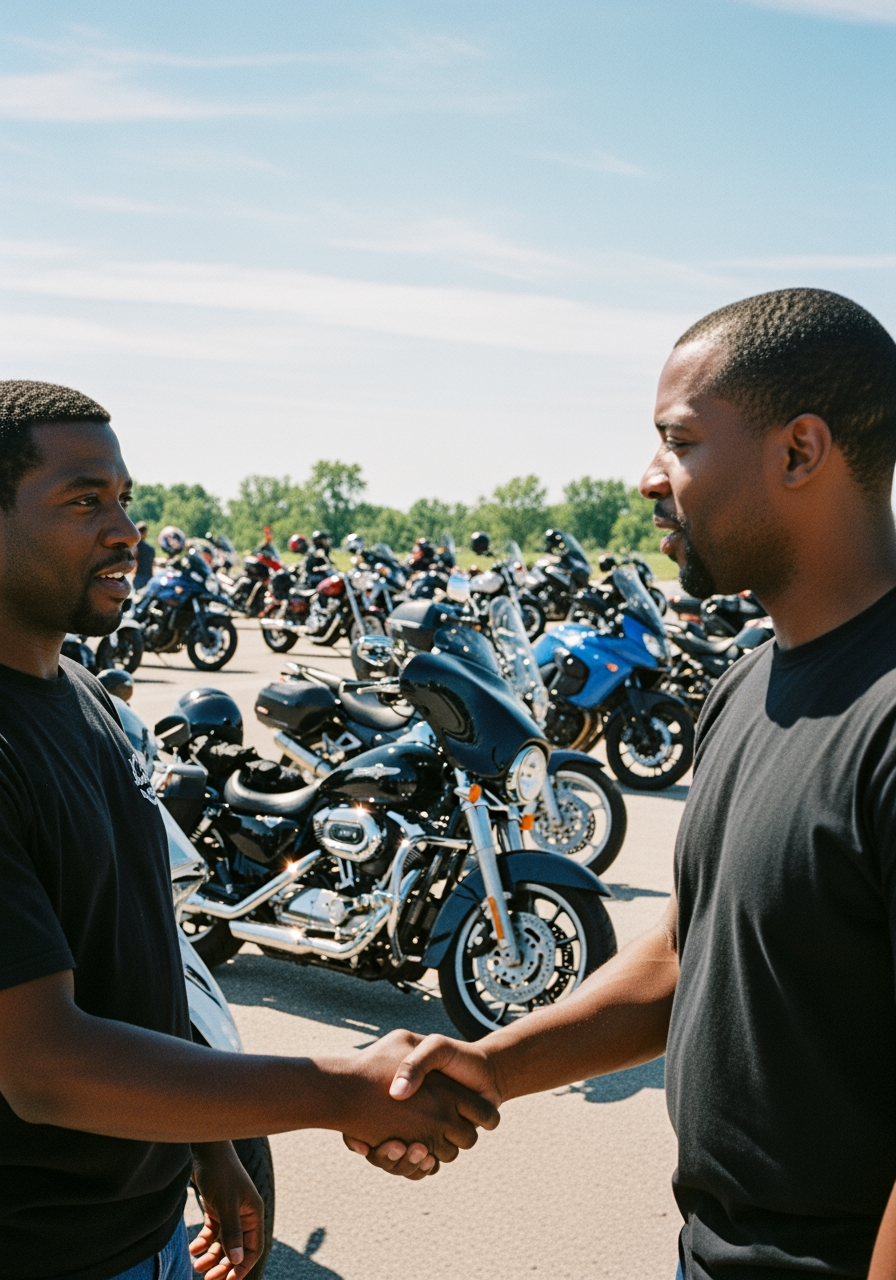
Engagement
Favorite Chicago-area coffee stop to warm up mid-ride. Drop the name, we are building a list. #RideNationChicago #ChicagoRiders #MotorcycleCommunity
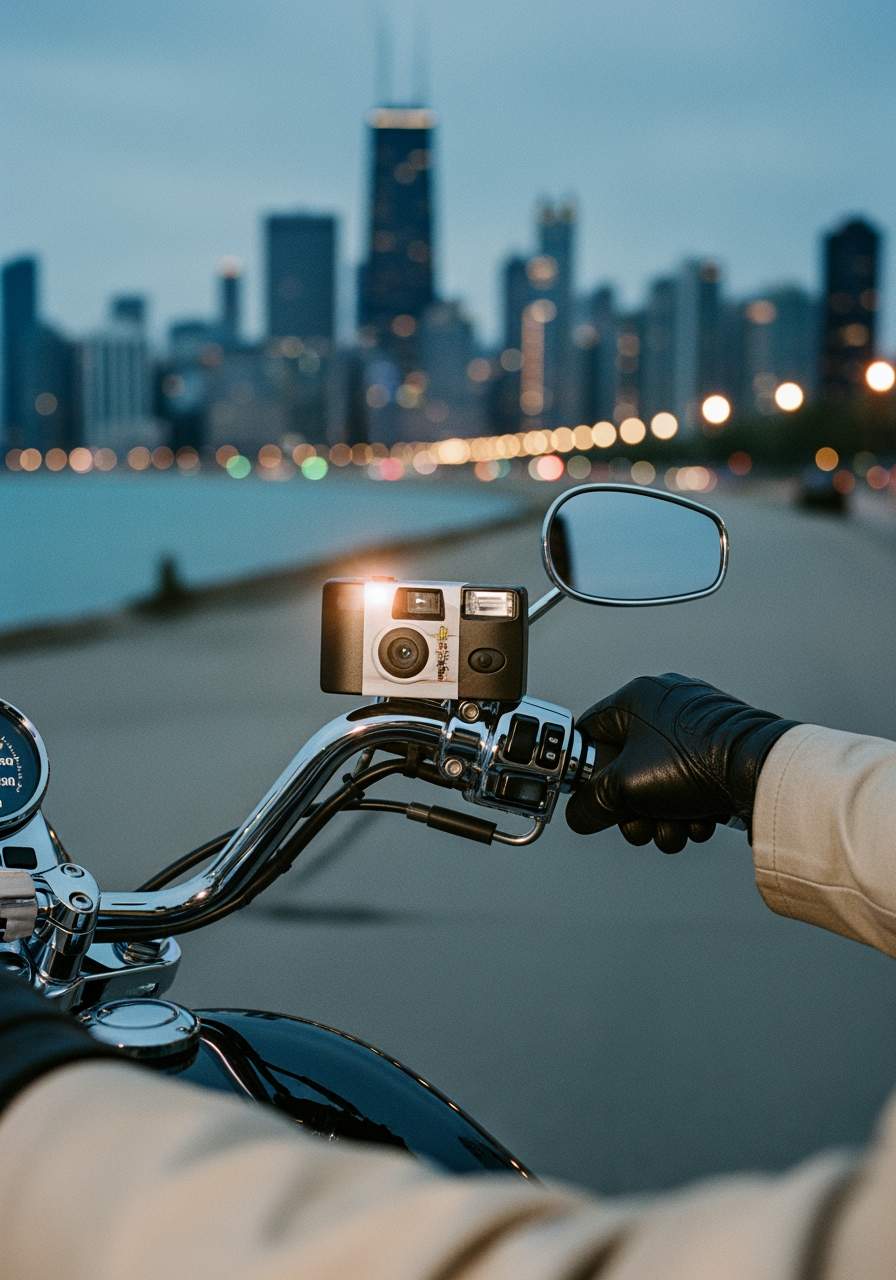
Giveaway & Countdown
What would you buy with $20,000 toward a bike? Cruiser, sport, adventure, your call. One winner picks on December 10. Free to enter, link in comments. #RideNationChicago #MotorcycleGiveaway #ChicagoRiders
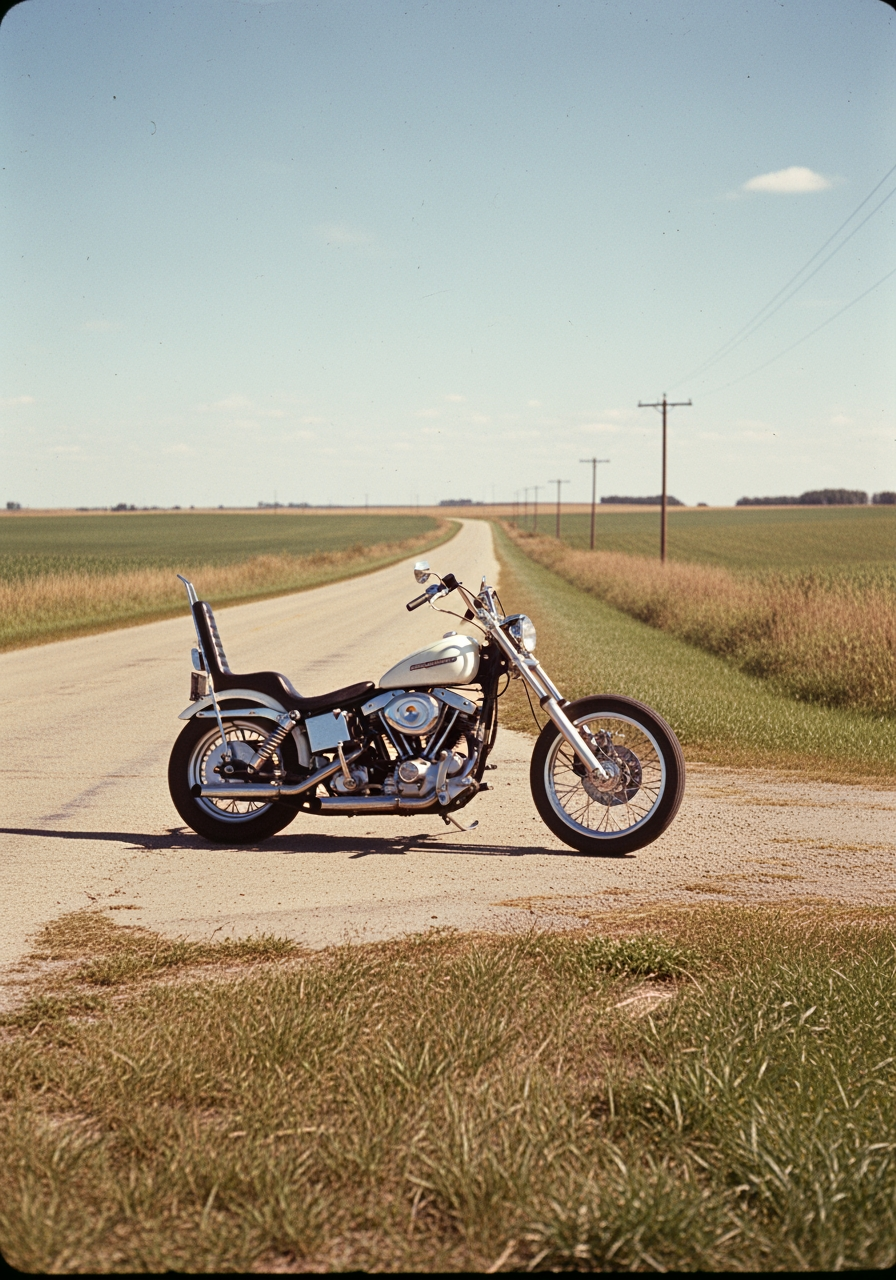
Local Chicago & Rides
The Kankakee River run is an easy hour of good scenery once the roads dry out. Low traffic, soft curves, river views. On the spring list. #RideNationChicago #IllinoisRiding #MotorcycleRoads
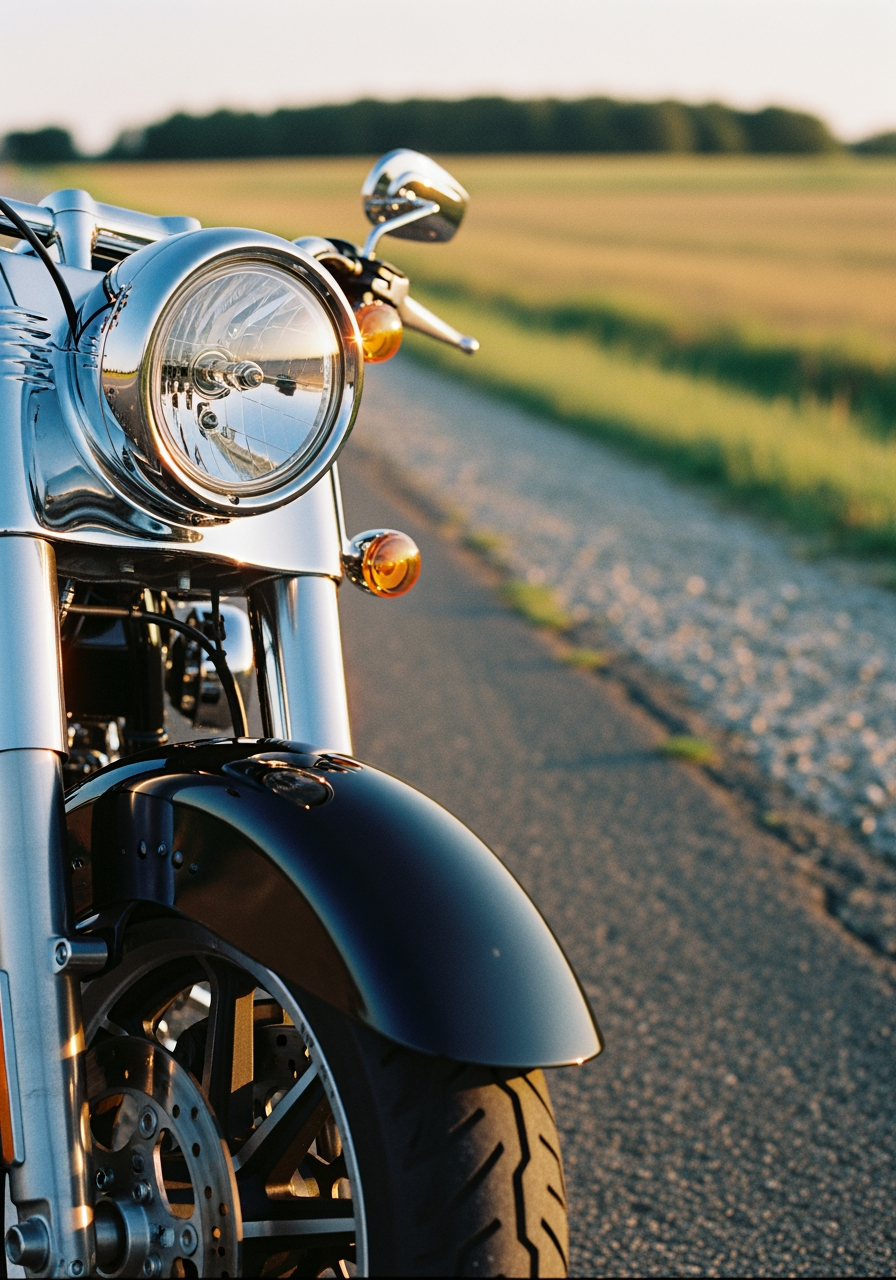
Gear & New Iron
A heated vest changes cold-weather riding more than any jacket. Keep your core warm and your hands and feet stay warmer too. Wire it to the battery and forget you are cold. #RideNationChicago #ColdWeatherRiding #GearUp
Safety & IL Law
Left-turning cars are one of the biggest threats to riders. Watch their front wheel, not the driver's eyes. Down after a left-turn hit? DDT Injury Team, no cost to talk. 773-832-5109. #RideNationChicago #RiderSafety #MotorcycleSafety
Engagement
This or that: cruiser or sportbike. No wrong answers, just tell us who you are. #RideNationChicago #TwoWheels #BikerLife
Giveaway & Countdown
Questions about riding safe this winter? Derek and the DDT Injury Team, 773-832-5109. While you are here, enter the $20,000 bike giveaway. Link in comments. #RideNationChicago #BikersWin #Chicagoland
Local Chicago & Rides
Chain O Lakes up north is worth the ride for the water and the lakeside stops. Spring and summer only, but start planning now. #RideNationChicago #Chicagoland #IllinoisRiding
Gear & New Iron
Base layers do the quiet work. A snug moisture-wicking layer under your gear traps heat and pulls sweat off your skin so you stay dry and warm on a long cold ride. #RideNationChicago #ColdWeatherRiding #RiderTips
Safety & IL Law
Cover your brakes in traffic. That half second you save can be the whole crash. Ride smart out there. Questions after a wreck? Derek Martin and the team, 773-832-5109. #RideNationChicago #MotorcycleSafety #RiderSafety
Engagement
Tag the buddy whose garage becomes the unofficial clubhouse every winter. #RideNationChicago #RideOrDie #ChicagoMotorcycles
Giveaway & Countdown
Somebody in Ride Nation Chicago is about to win $20,000 toward a new motorcycle. Could be you if you enter. Drawn December 10, link in comments. #RideNationChicago #20kGiveaway #FreeToEnter
Local Chicago & Rides
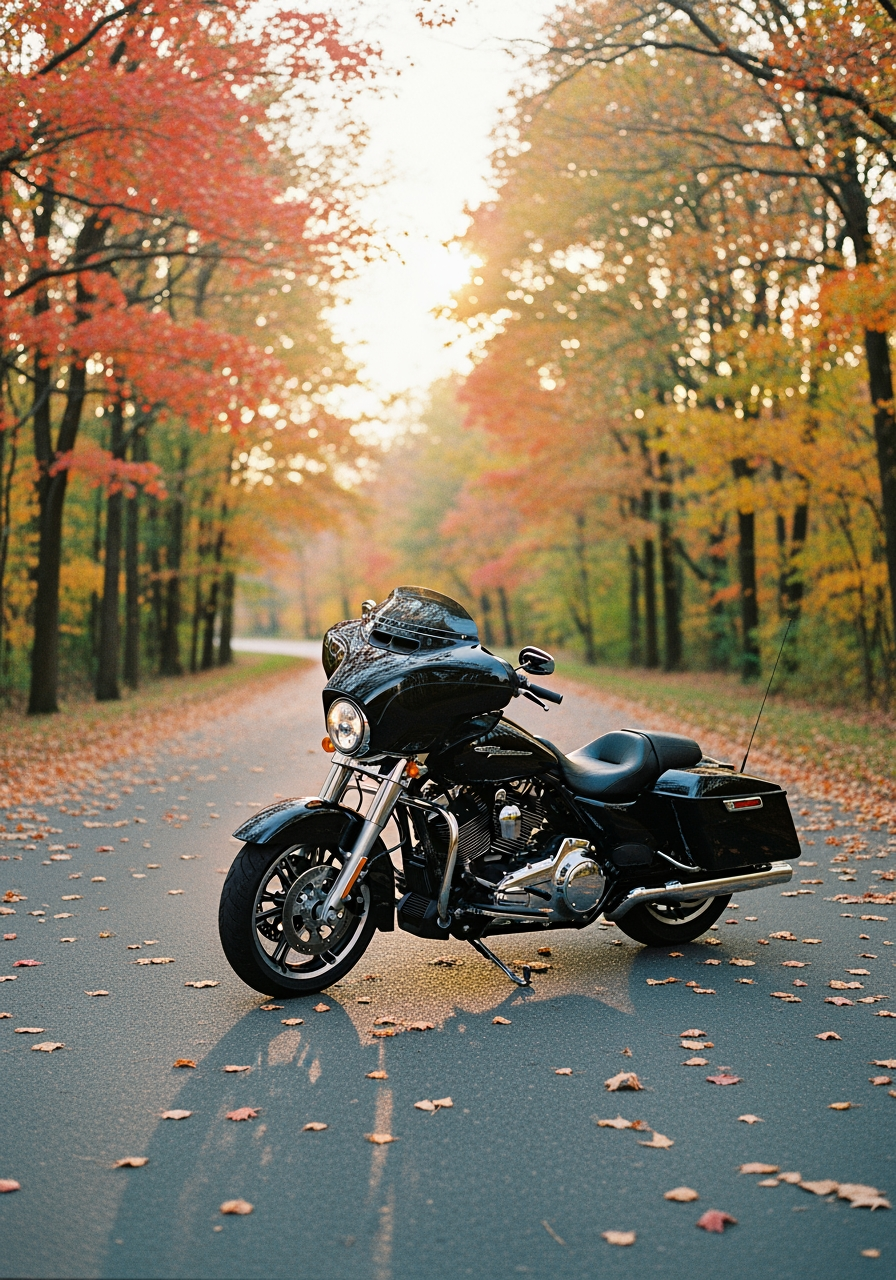
Galena and the driftless northwest is the closest thing we get to mountain roads. Hills, switchbacks, and a town that likes riders. Spring trip locked in. #RideNationChicago #IllinoisRiding #MotorcycleRoads
Gear & New Iron
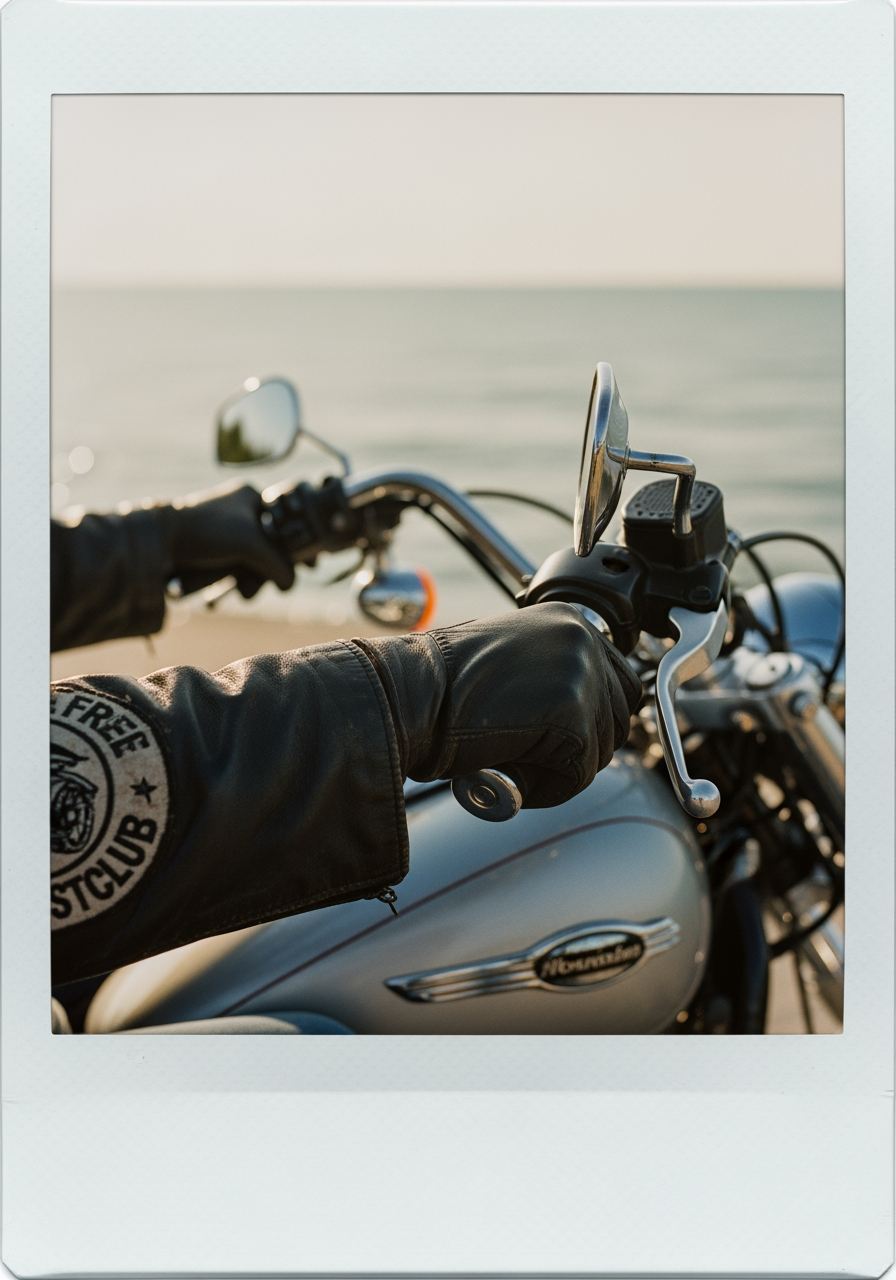
Hi-viz is not a fashion choice, it is a be-seen choice. A bright shell or a reflective vest gets you noticed by the driver who is only half looking. Loud gear beats a quiet funeral. #RideNationChicago #GearUp #ChicagoRiders
Safety & IL Law
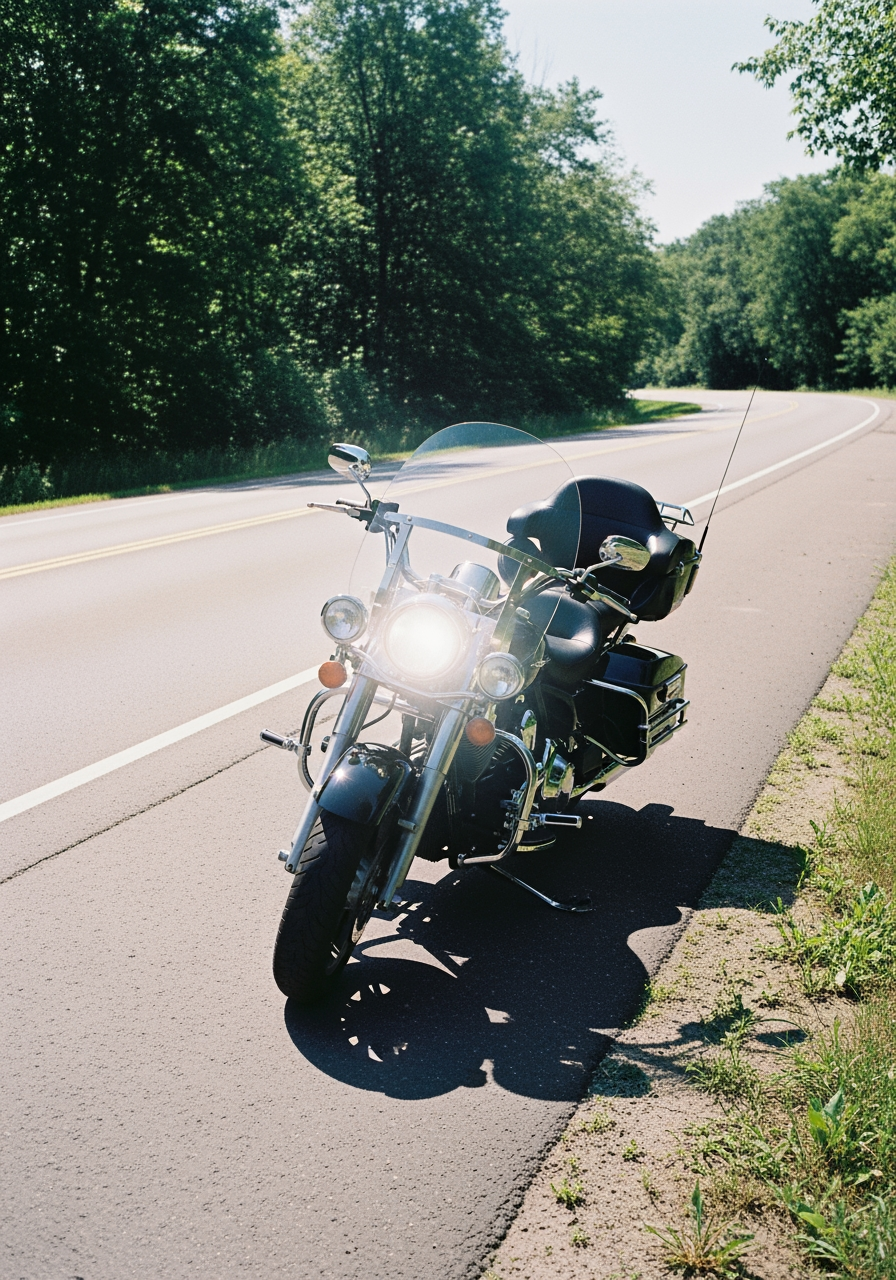
No helmet law here, but eye protection is required by Illinois law. Wind and grit at speed are no joke. Gear up. Hurt in a crash? DDT Injury Team rides for you. 773-832-5109. #RideNationChicago #ATGATT #IllinoisLaw
Engagement
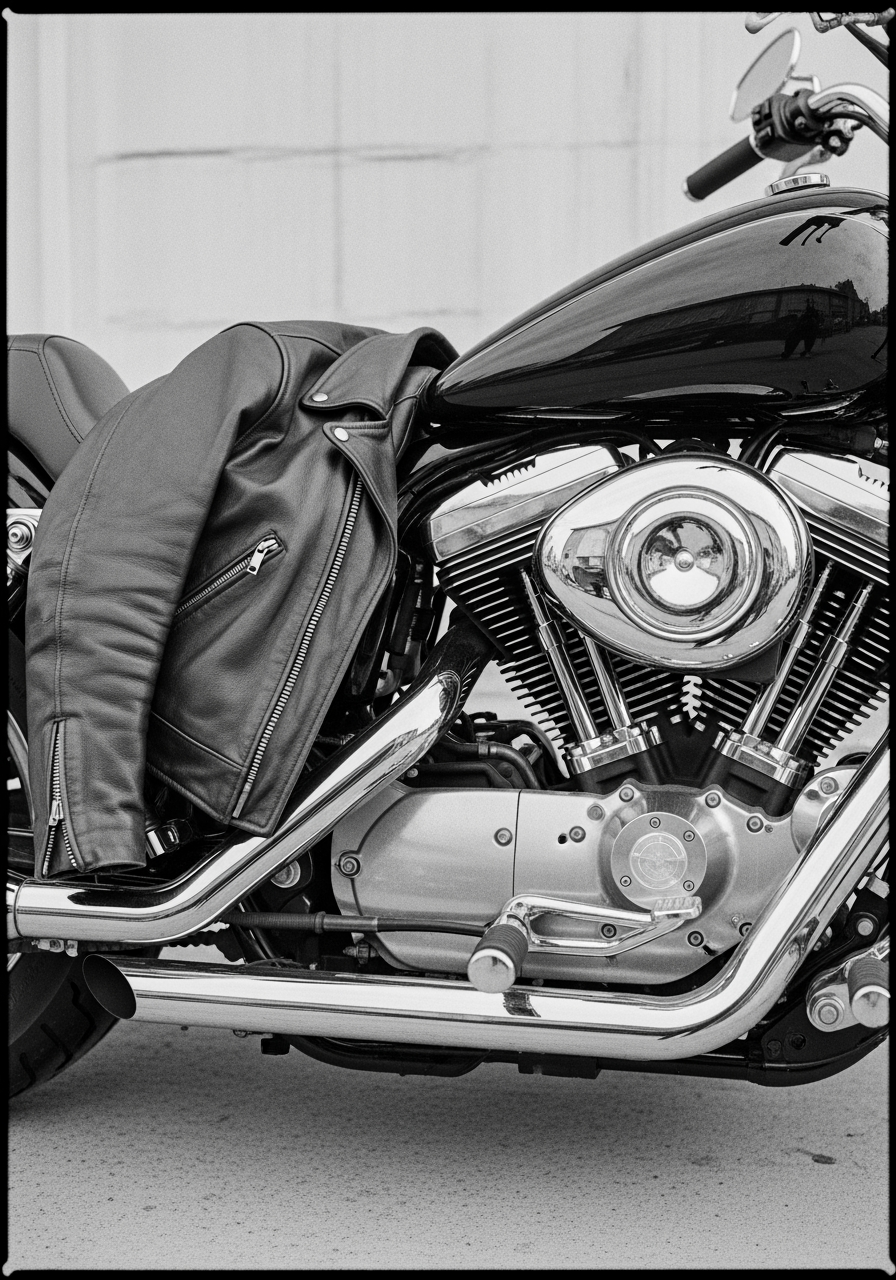
Fill in the blank: the ride is never complete without ________. #RideNationChicago #ChicagoRiders #MotorcycleCommunity
Giveaway & Countdown
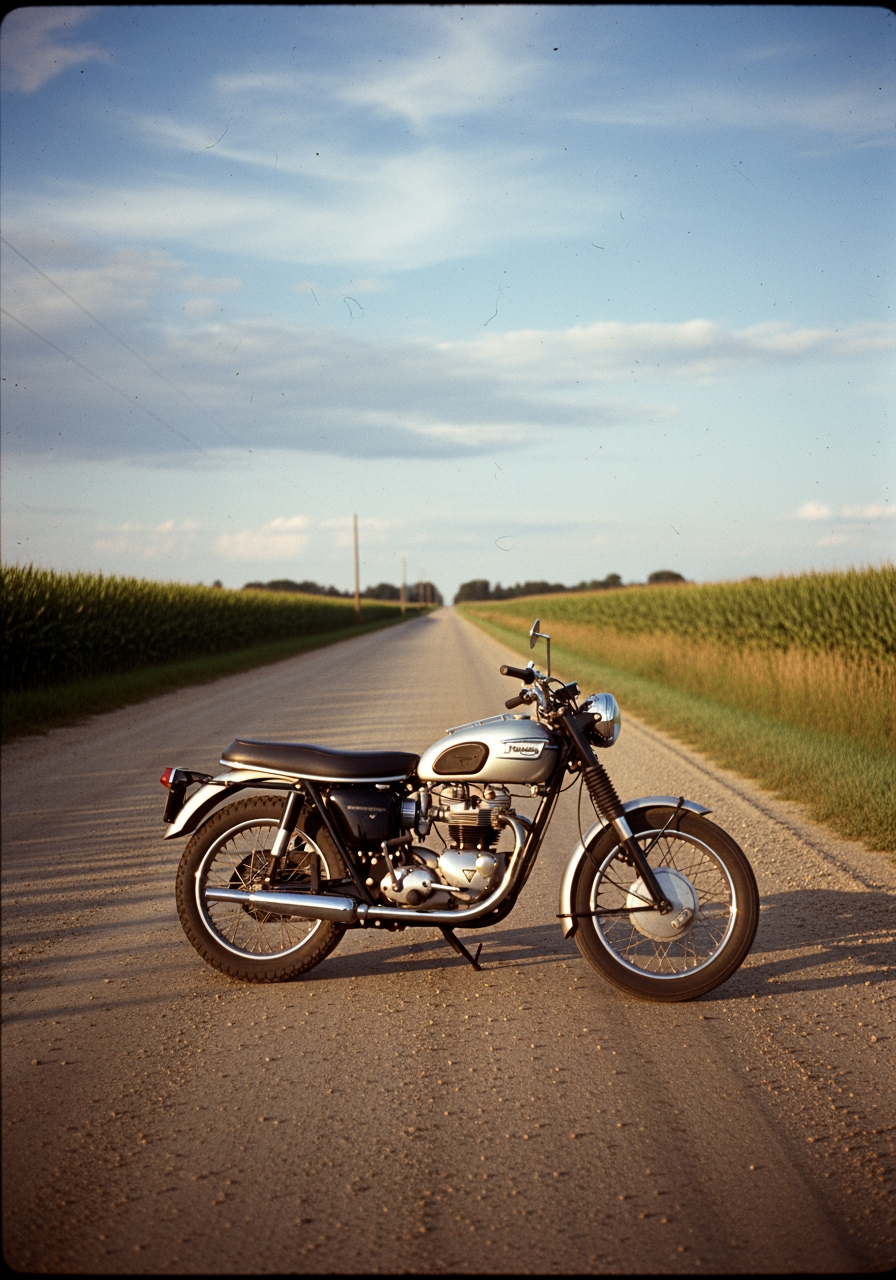
Two minutes today could put a brand new bike under you next spring. Free to enter, riders 18 and up, drawn December 10. Entry link in the comments. #RideNationChicago #MotorcycleGiveaway #WinABike
Local Chicago & Rides
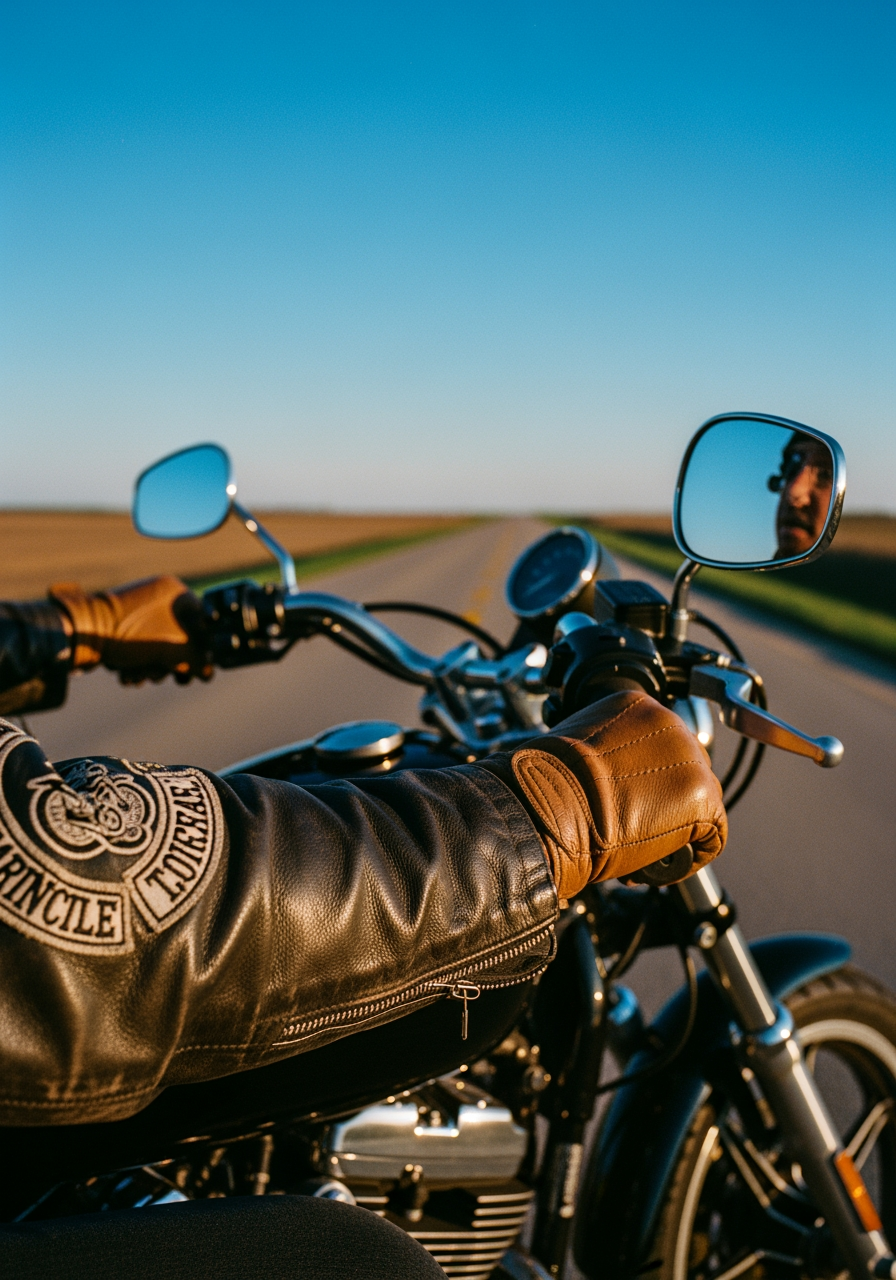
Wisconsin cheese-country runs are a whole day of good pavement and better snacks. Cross the line come spring and take the long way home. #RideNationChicago #Chicagoland #MotorcycleRoads
Gear & New Iron
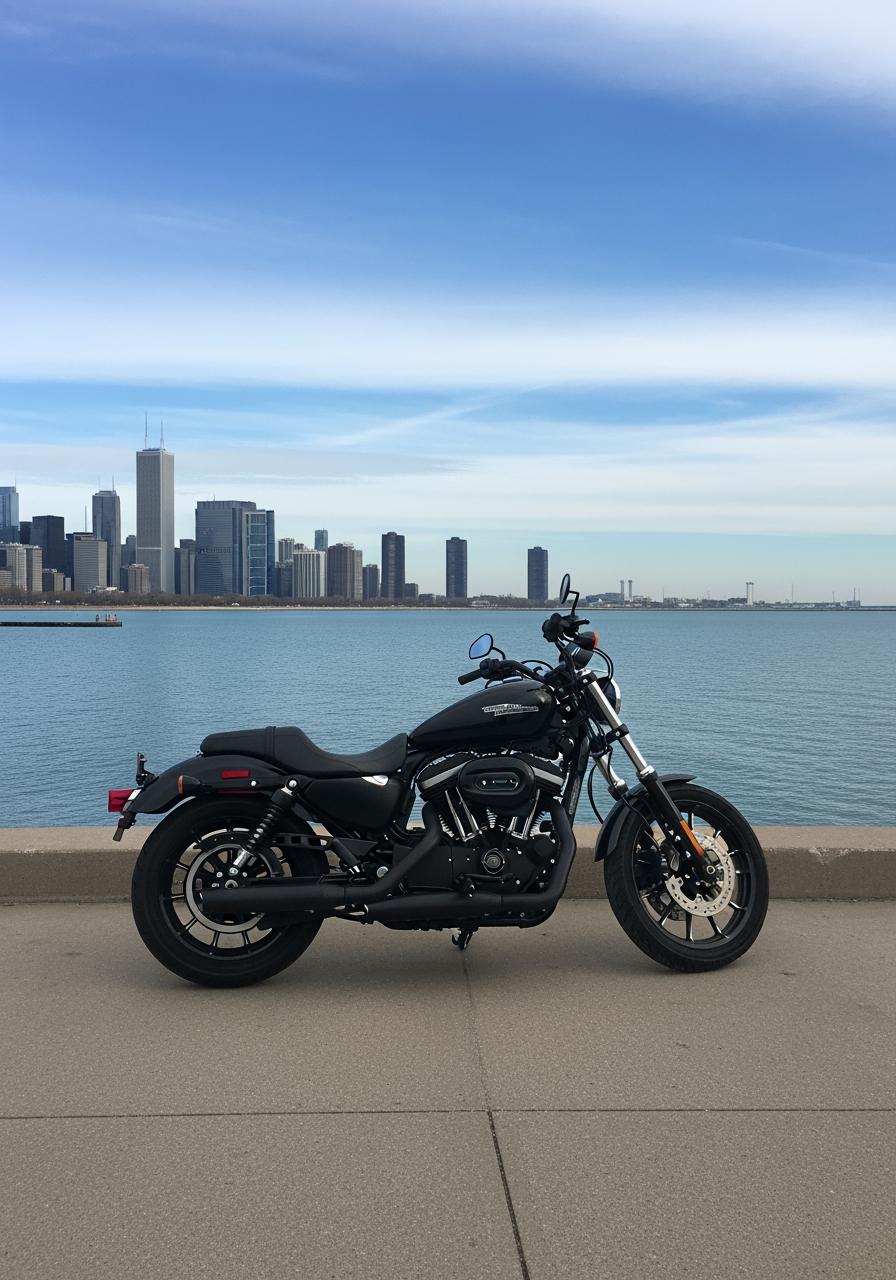
ATGATT is not a slogan, it is a habit. All the gear, all the time, even on the day you almost did not bother. The one time you skip it is the one time you needed it. #RideNationChicago #ATGATT #BikerLife
Safety & IL Law
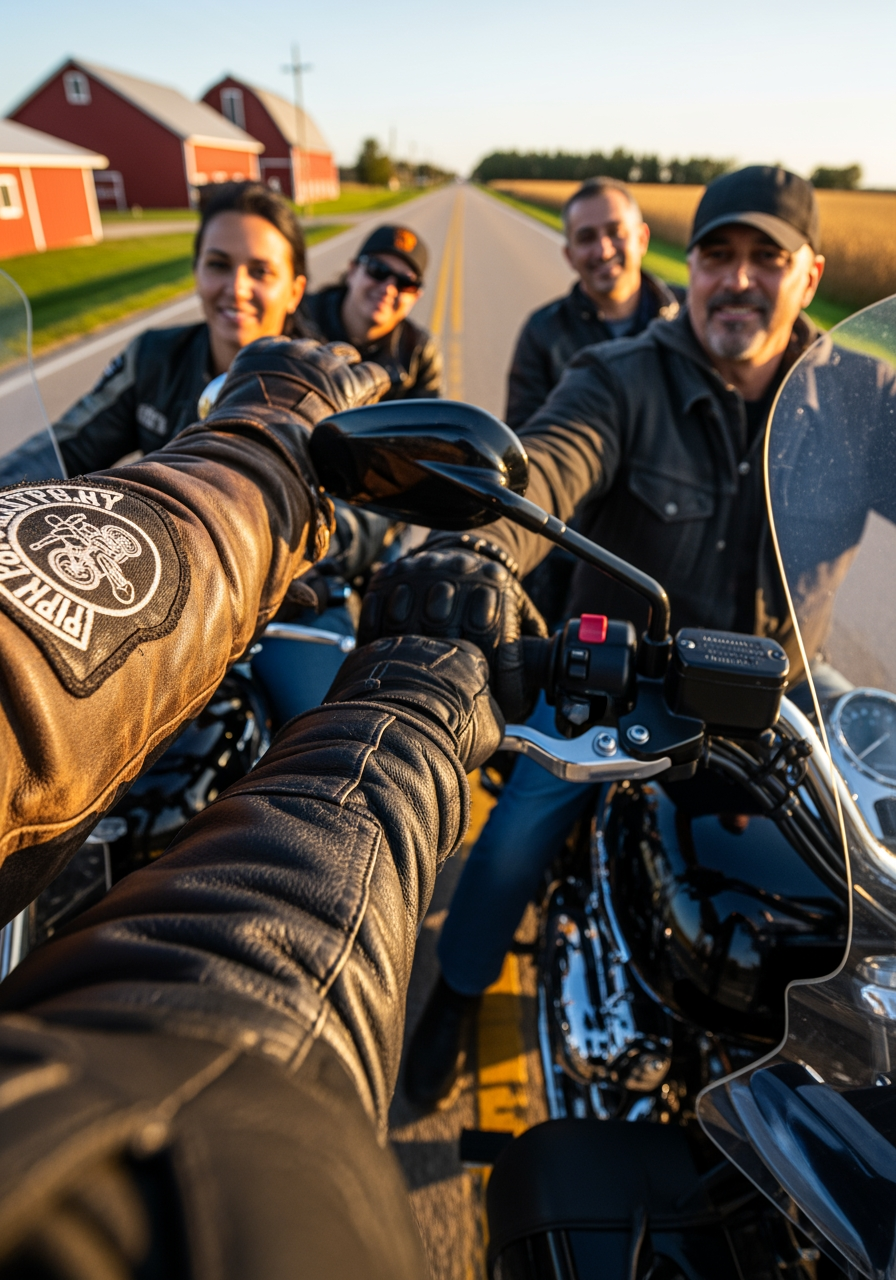
Uninsured motorist coverage is required in Illinois at 25/50 and it cannot be waived (215 ILCS 5/143a). It is your safety net when the other driver has none. Questions? DDT Injury Team, 773-832-5109. #RideNationChicago #UninsuredMotorist #KnowYourRights
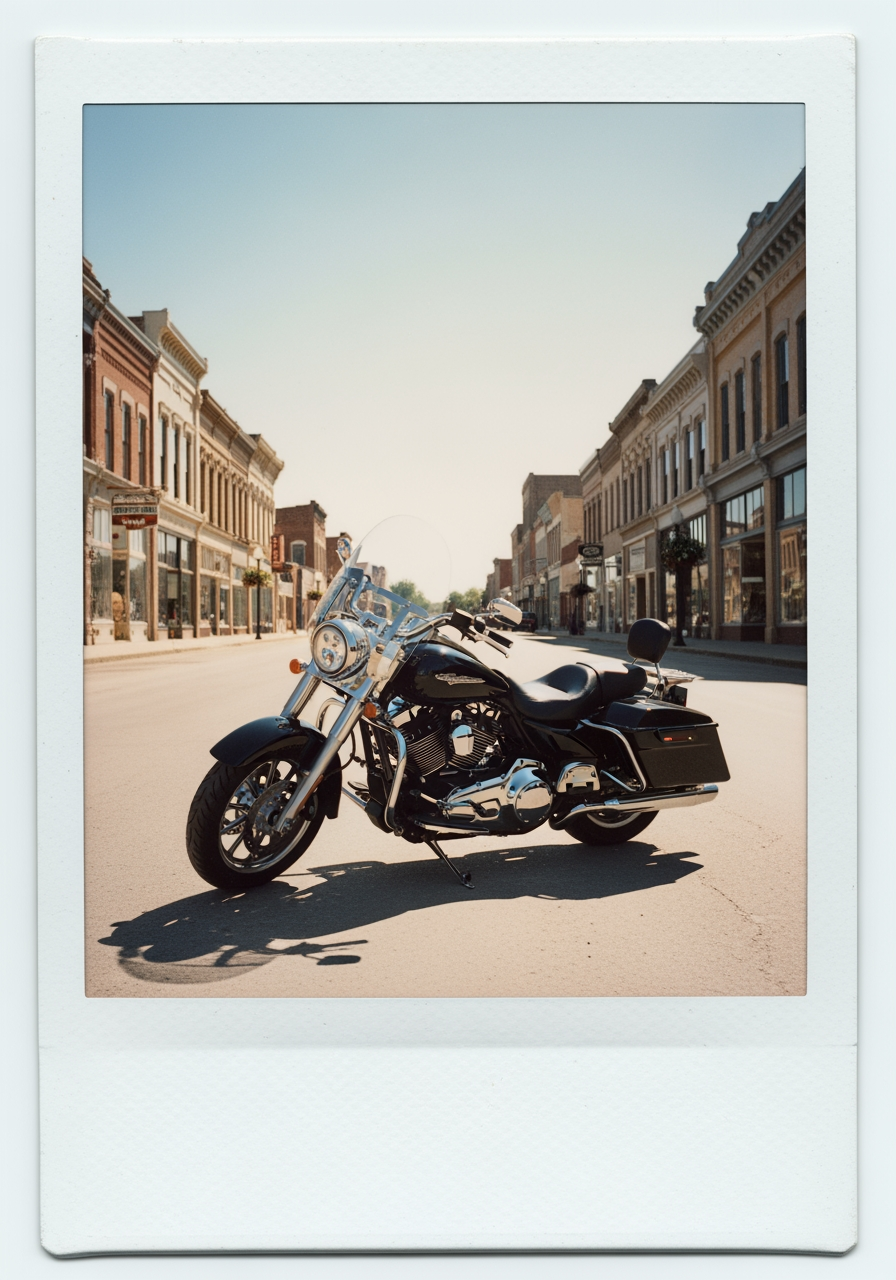
Engagement
Poll: do you name your bike. Yes and tell us, or no and tell us why not. #RideNationChicago #IllinoisRiders #TwoWheels
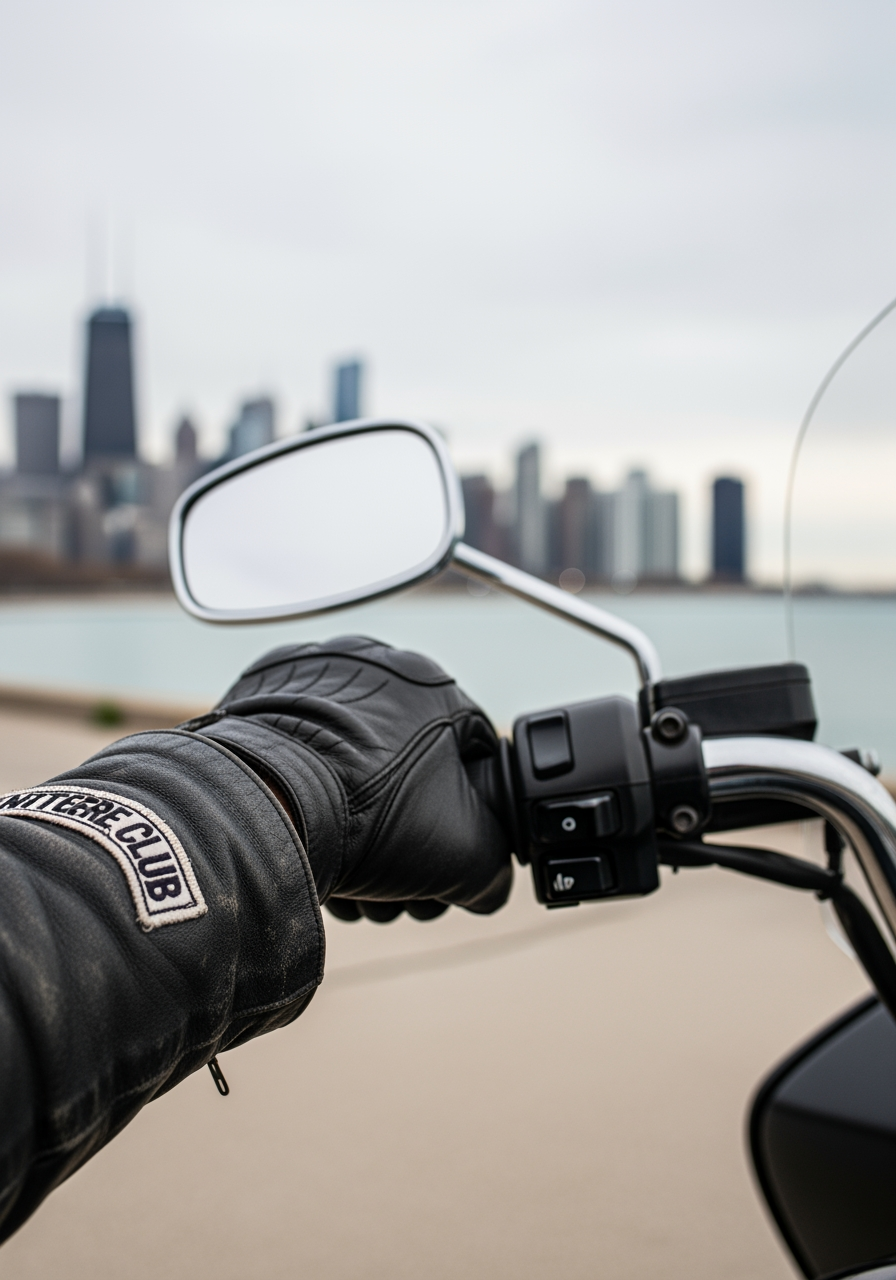
Giveaway & Countdown
Winter riding questions? Derek and the DDT Injury Team are one call away, 773-832-5109. And yes, the $20,000 giveaway is still open. Link in comments. #RideNationChicago #BikersWin #ChicagoRiders
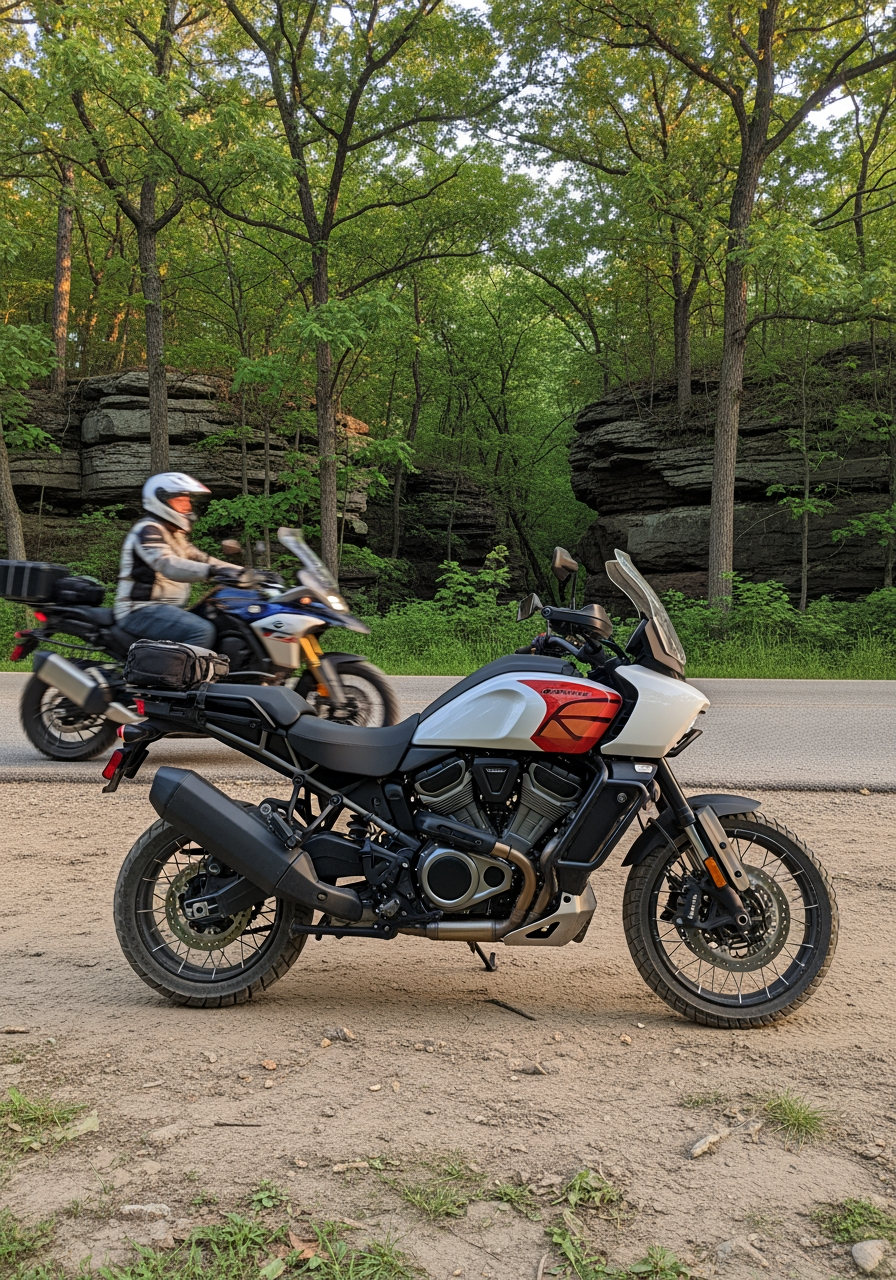
Local Chicago & Rides
Indiana Dunes is right there, sand and lake and a change of scenery. Short hop when the weather turns. Put it on the spring board. #RideNationChicago #Chicagoland #IllinoisRiding
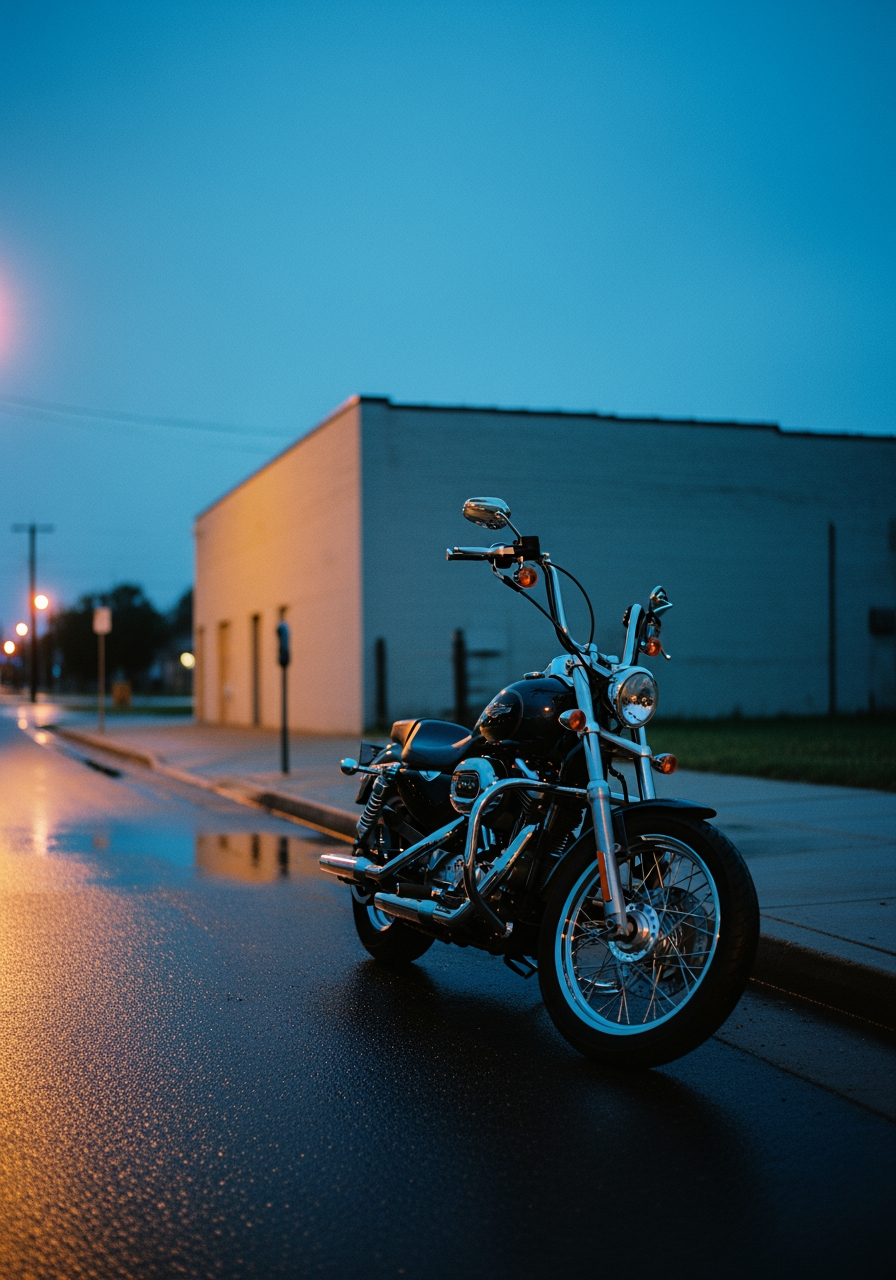
Gear & New Iron
Real riding boots cover your ankles for a reason. Sneakers roll and tear, boots hold. Look for a sole that grips and a shank that keeps the bike off your foot. #RideNationChicago #ATGATT #GearUp
Safety & IL Law
Ride your own ride. Do not let a faster group pull you past your limit. The road will still be there tomorrow. Need us after a crash? Derek and the DDT Injury Team, 773-832-5109. #RideNationChicago #RiderSafety #ChicagoRiders
Engagement
Caption this: your bike is under the cover in the garage and you keep walking past it 'just to check.' #RideNationChicago #BikerLife #Chicagoland
Giveaway & Countdown
Nine weeks and change until we draw the $20,000 winner. If you have been meaning to enter, this is your nudge. Link in comments, free to enter. #RideNationChicago #20kGiveaway #Chicagoland
Local Chicago & Rides
Reminder for the die-hards out on the one warm day: bridge decks and shaded curves ice over before the road does. Give the Fox River crossings extra room. #RideNationChicago #FoxRiver #IllinoisRiding
Gear & New Iron
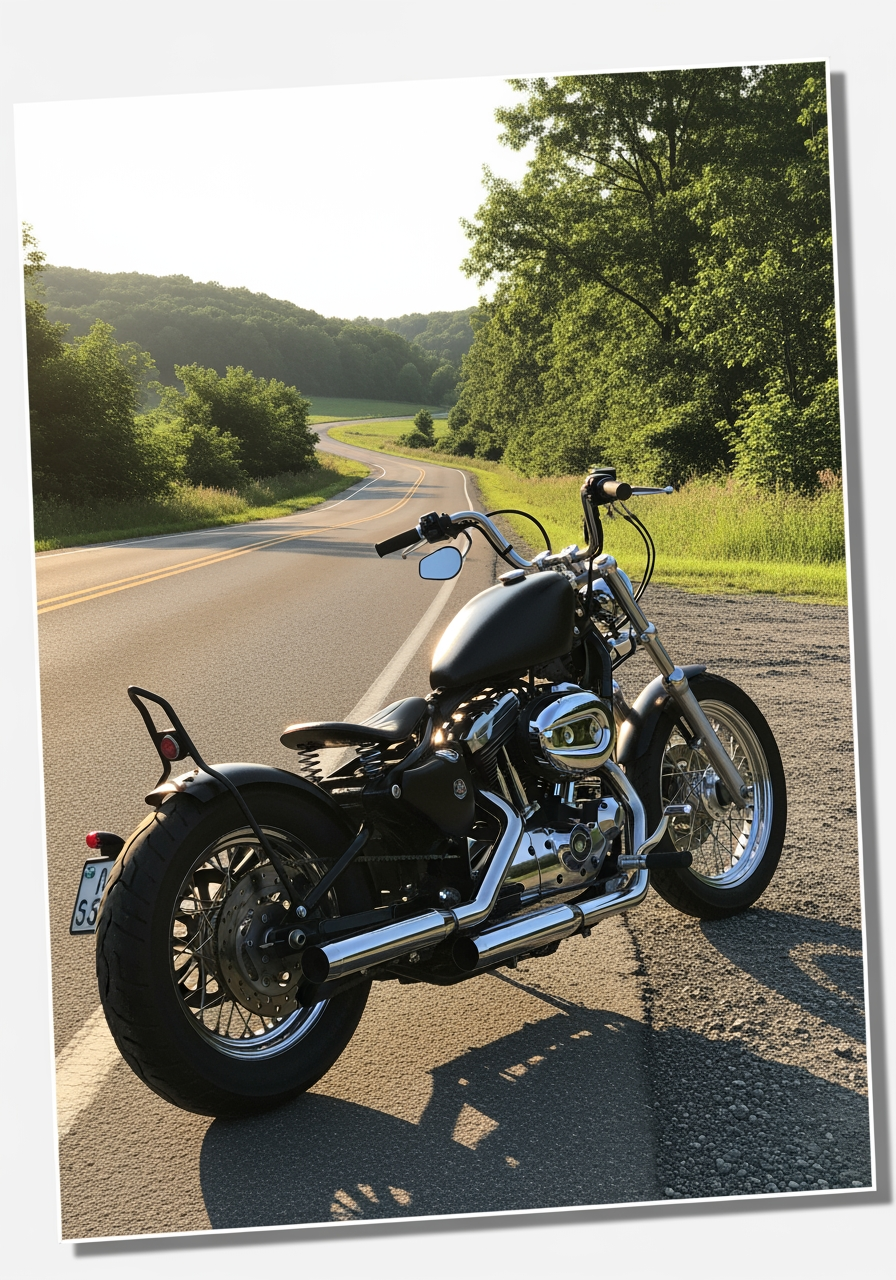
Read your tire date codes this offseason. That four-digit stamp tells you the week and year it was built. Old rubber goes hard, and hard rubber does not grip. #RideNationChicago #MotorcycleMaintenance #ATGATT
Safety & IL Law
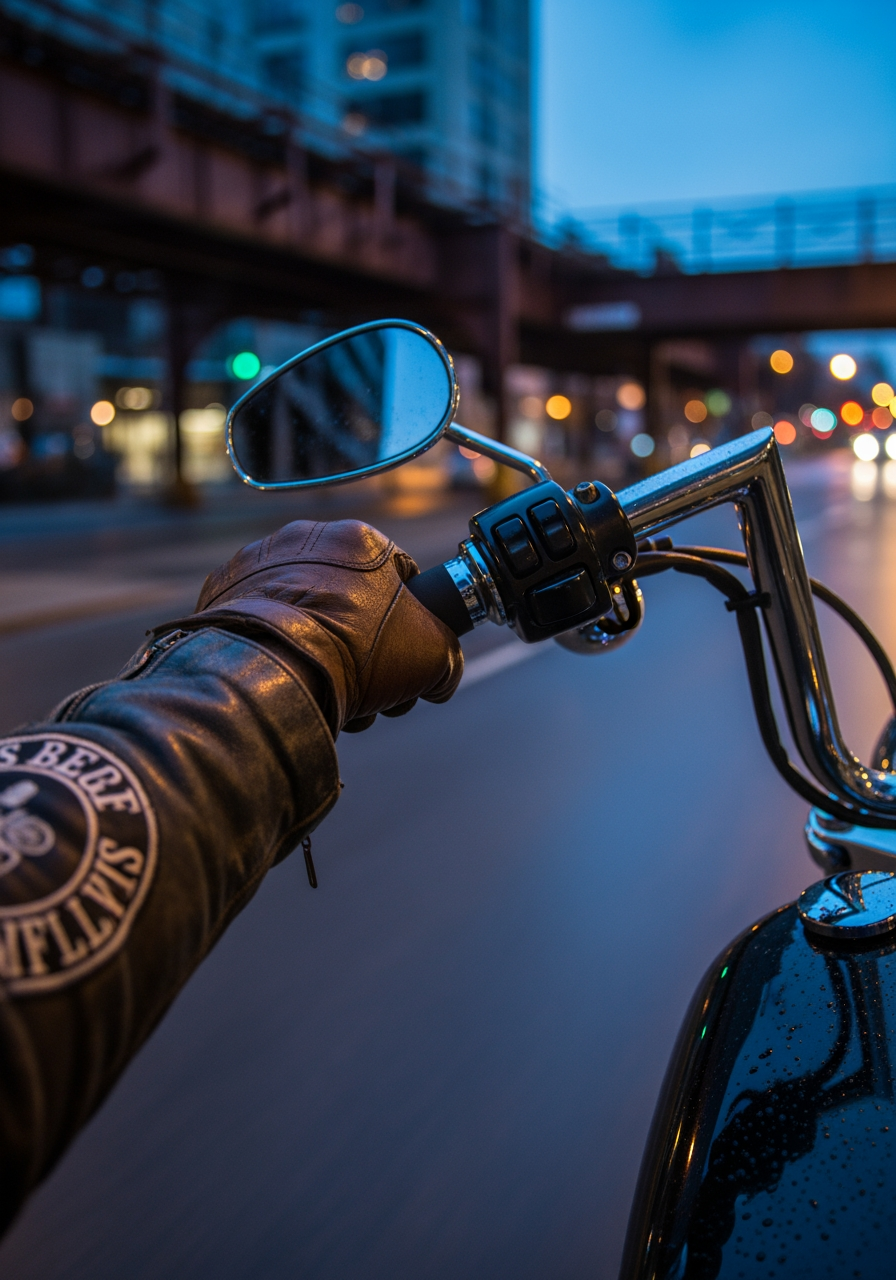
Dusk is when drivers stop seeing bikes. Add reflective gear and keep your headlight on. Be visible, stay upright. Hurt anyway? DDT Injury Team, no cost to talk. 773-832-5109. #RideNationChicago #MotorcycleSafety #RiderSafety
Engagement
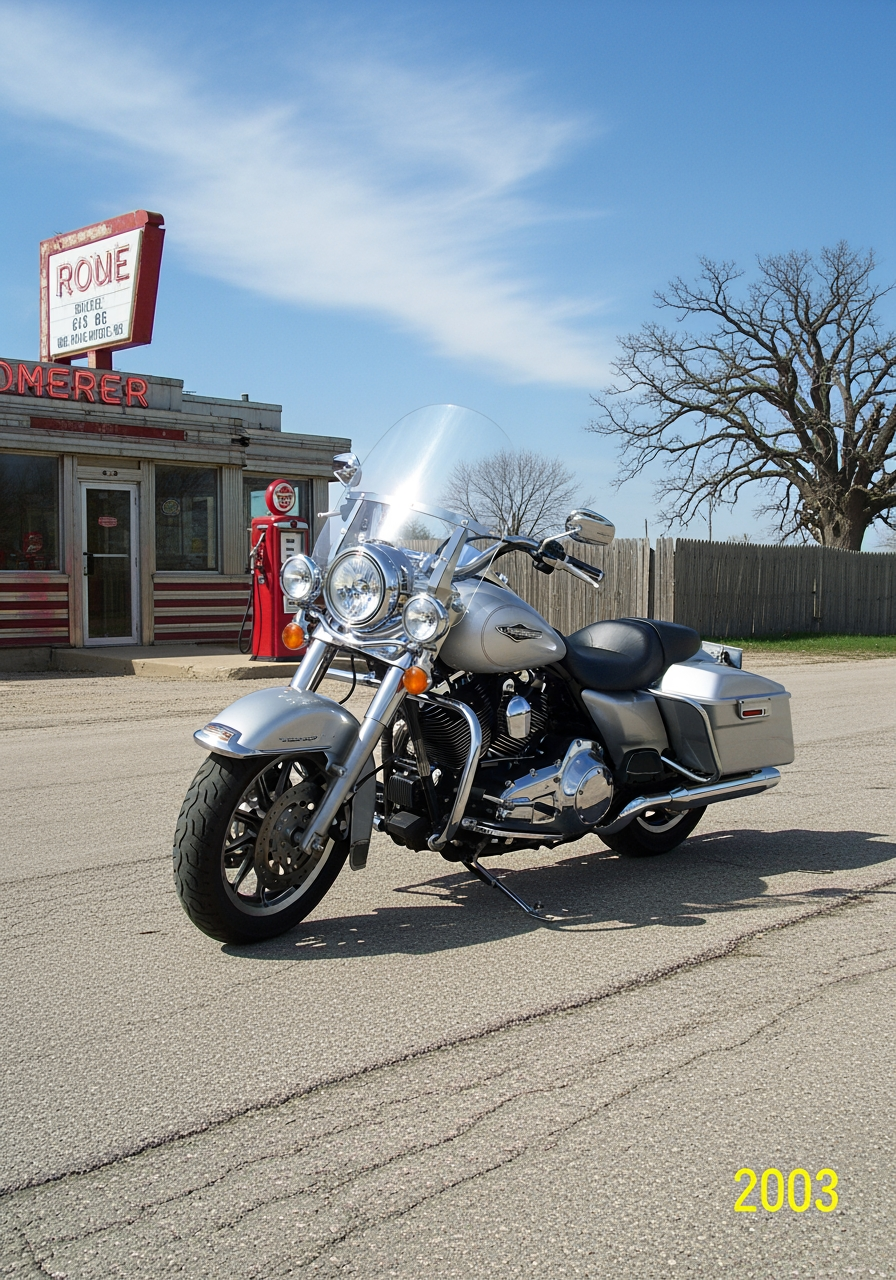
Memory lane: describe your best ride of this whole season in exactly three words. #RideNationChicago #ChicagoRiders #TwoWheels
Giveaway & Countdown
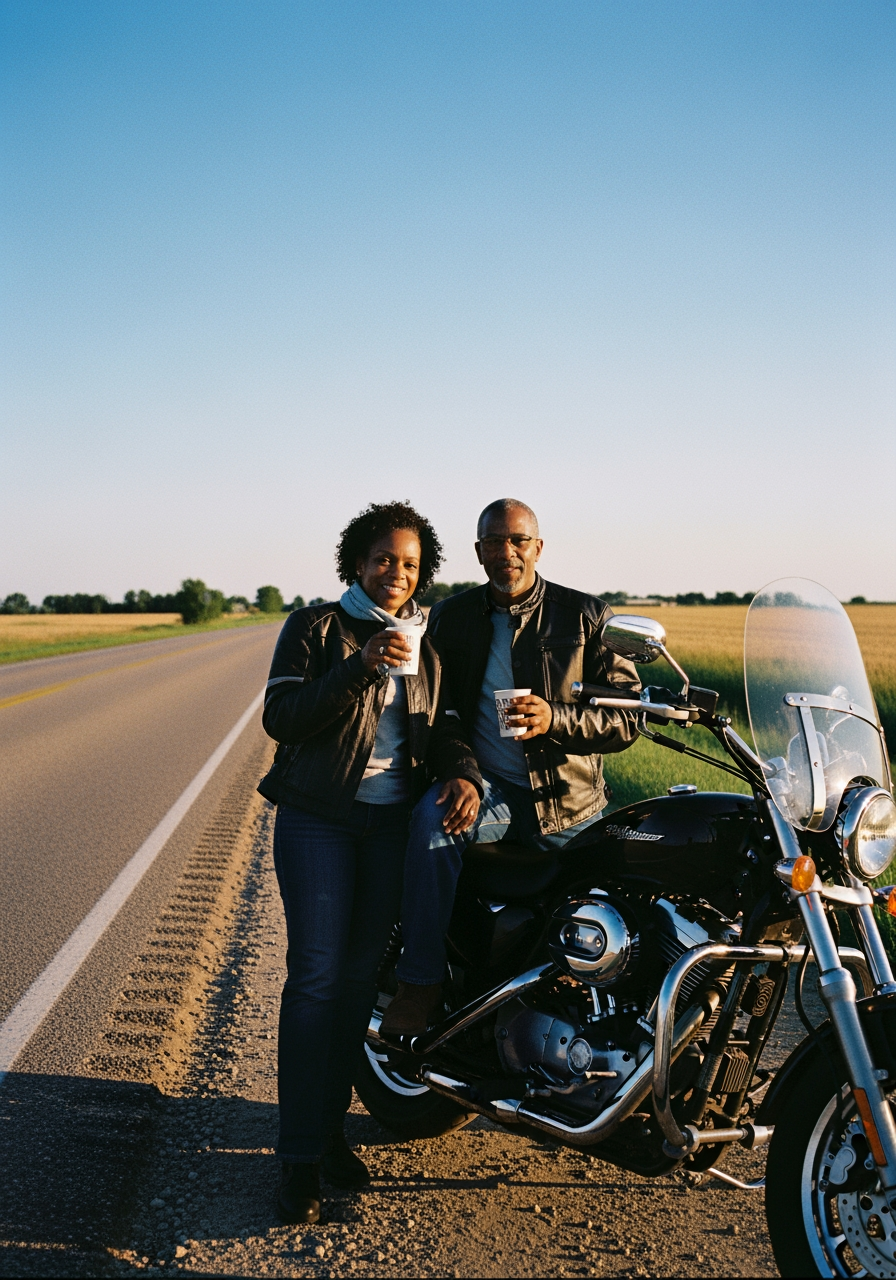
Imagine texting your crew that you just won $20,000 toward any bike you want. One rider gets to send that text December 10. Enter, link in comments. #RideNationChicago #MotorcycleGiveaway #WinABike
Local Chicago & Rides
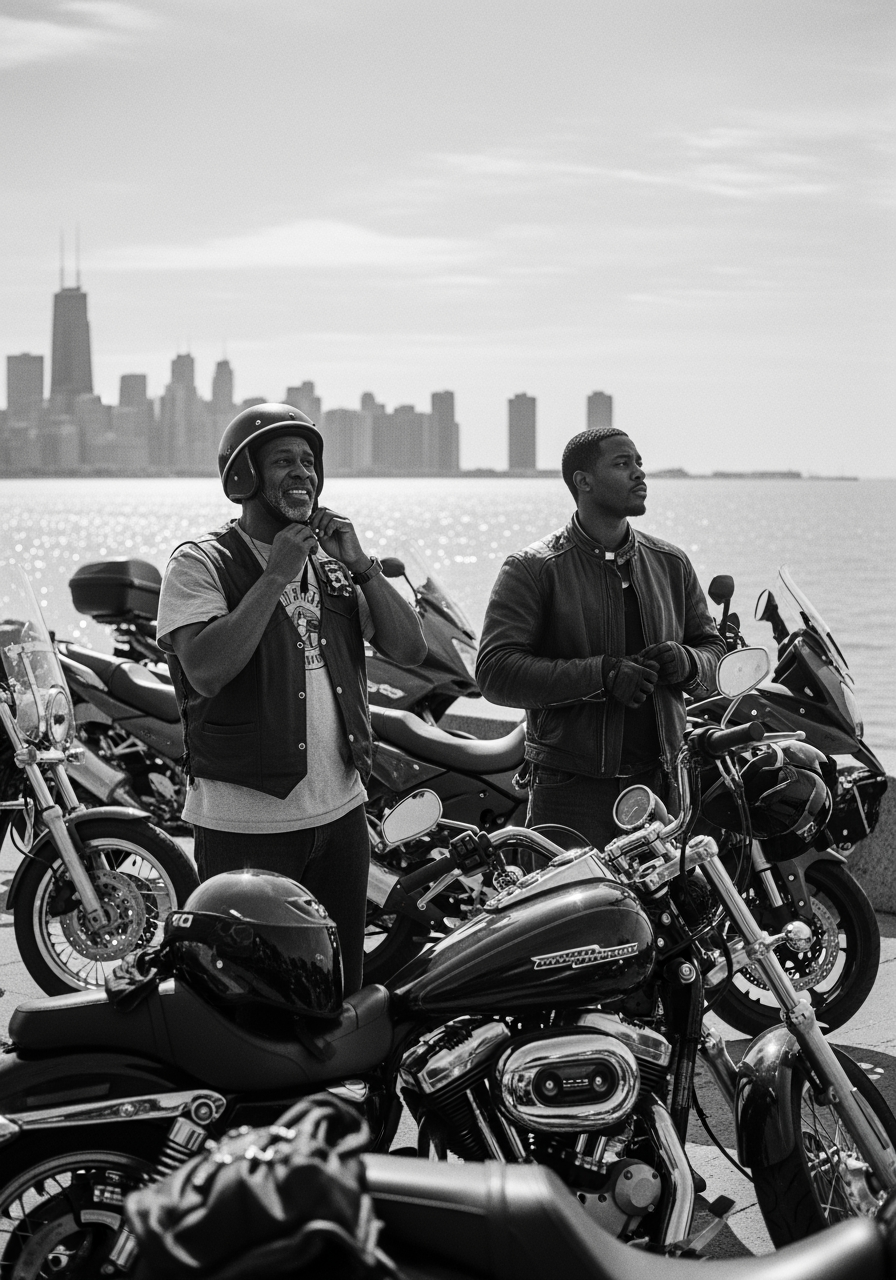
Wet leaves are the quiet season killer. They sit in the corners like grease, especially along Sheridan Road and the North Shore. Roll through slow. #RideNationChicago #NorthShore #ChicagoRiders
Gear & New Iron
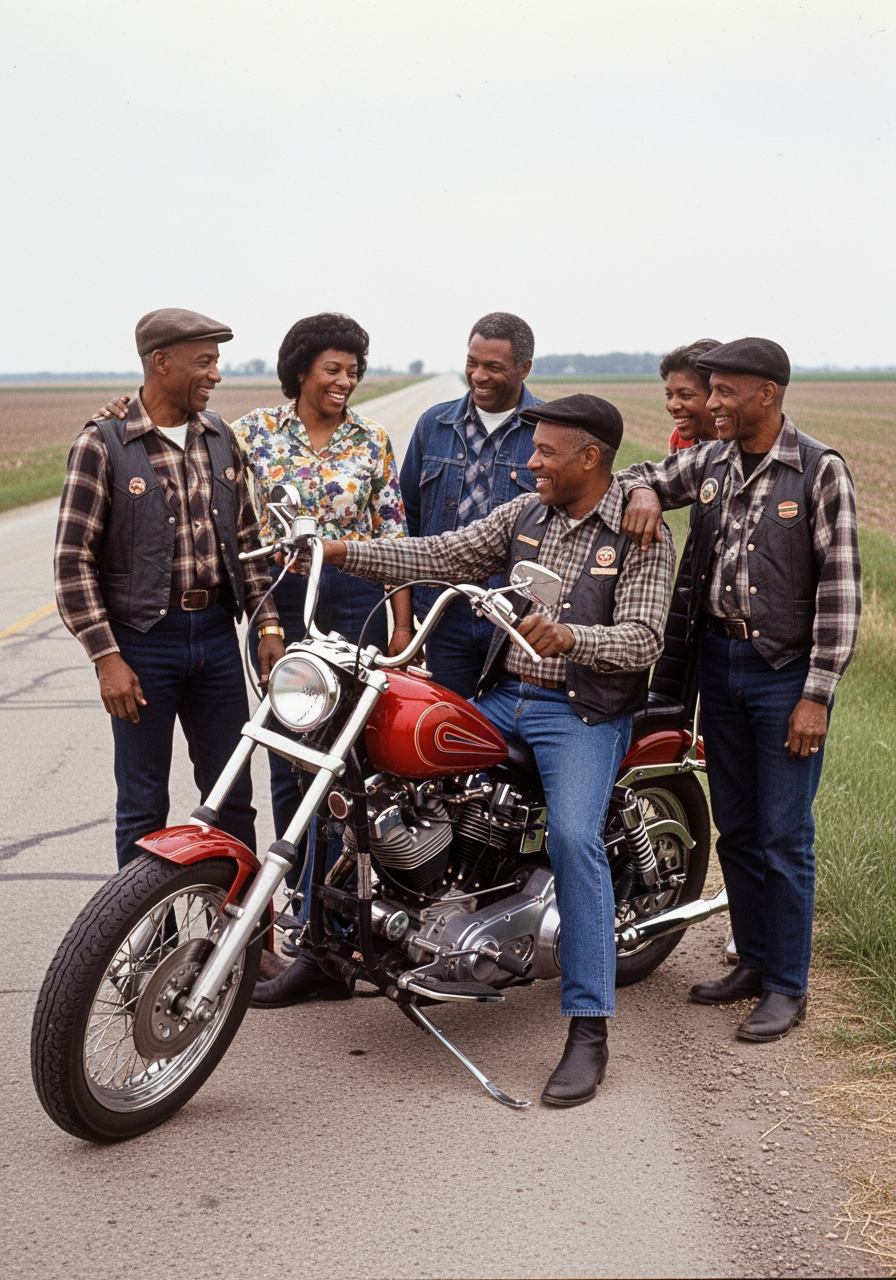
Check your tread before you trust it. The wear bars sit in the grooves for a reason, and a penny test takes ten seconds. Bald tires and cold pavement do not mix. #RideNationChicago #MotorcycleMaintenance #RiderTips
Safety & IL Law
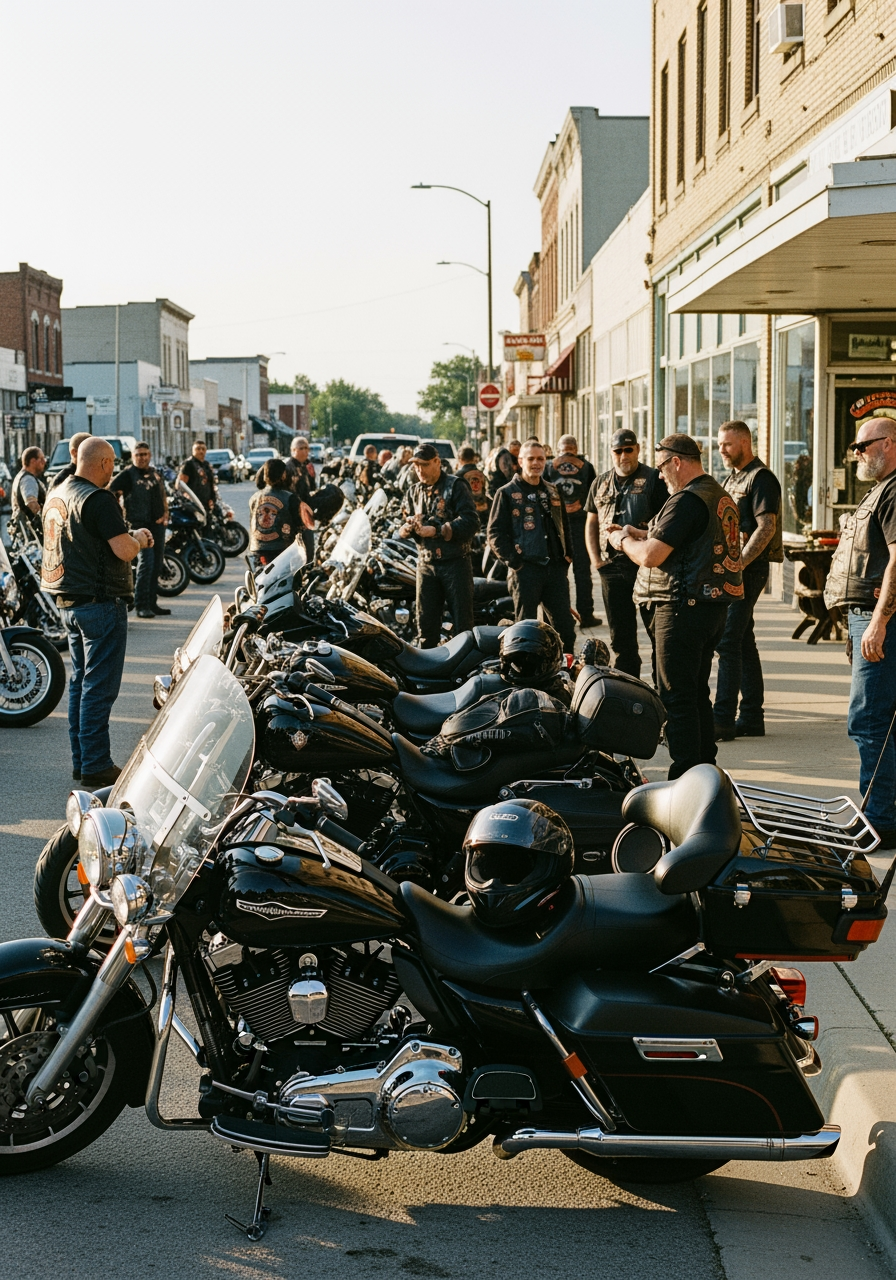
Illinois comparative negligence means even partial fault can cut your recovery, and more than 50 percent cuts it to zero. Details matter. Questions after a wreck? Derek Martin, 773-832-5109. #RideNationChicago #KnowYourRights #IllinoisLaw
Engagement
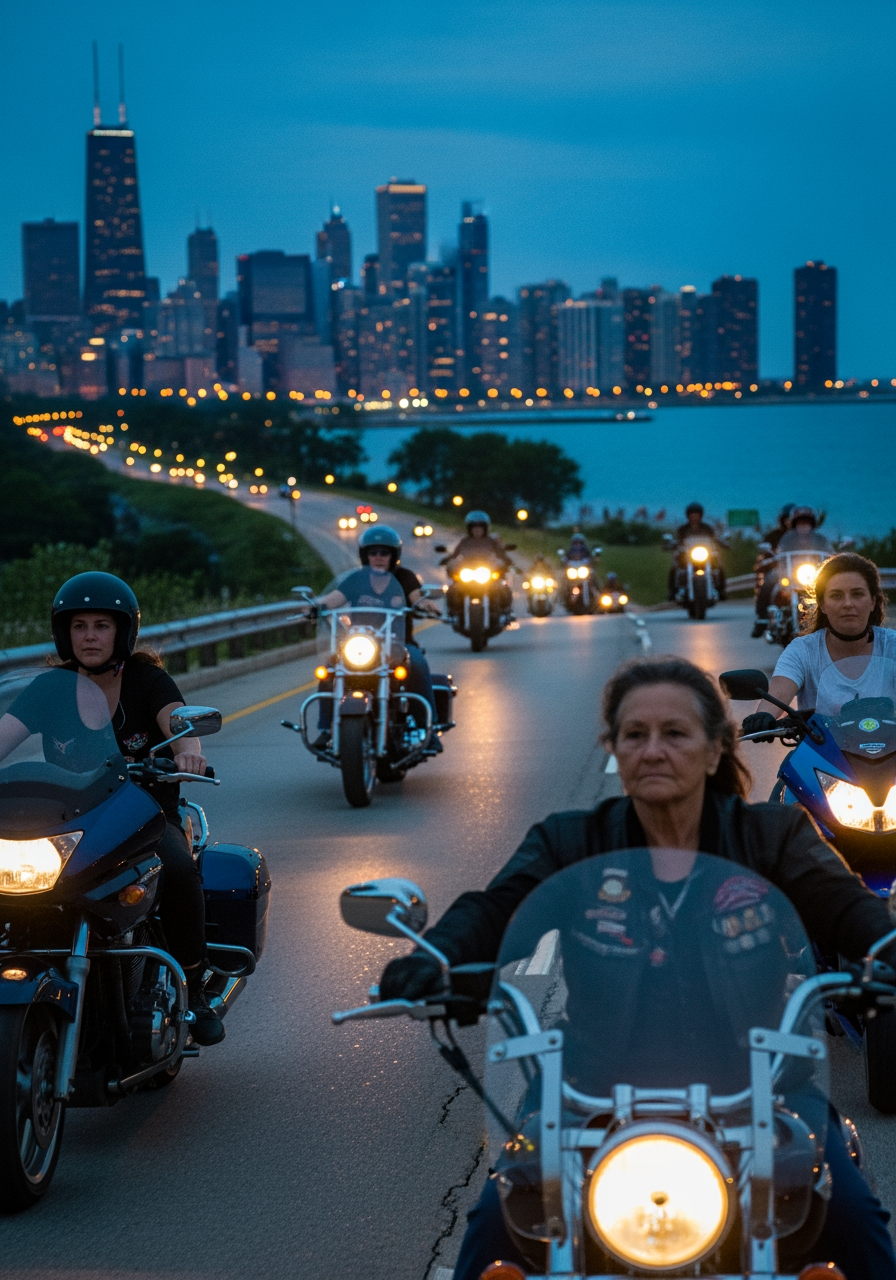
Would you rather never hit a red light again or never hit road construction on I-90. Think hard. #RideNationChicago #ChicagoMotorcycles #IllinoisRiders
Giveaway & Countdown
Tag the friend who keeps talking about upgrading their ride. Free to enter, $20,000 to one winner, drawn December 10. Entry link in the comments. #RideNationChicago #BikersWin #ChicagoRiders
Local Chicago & Rides
Black ice loves bridges. Any deck over the Chicago River or the Fox in the morning can be sheet ice while the pavement looks fine. Ease off before the crossing. #RideNationChicago #FoxRiver #Chicagoland
Gear & New Iron
Cold air drops your tire pressure fast. Every ten degrees down pulls a pound or two out, so check with a gauge on a cold morning, not by eye. Proper pressure is your grip. #RideNationChicago #ColdWeatherRiding #MotorcycleMaintenance
Safety & IL Law
If a hit-and-run driver takes off, your own UM coverage steps in. That is exactly what it is for. Not sure yours is enough? DDT Injury Team can check. 773-832-5109. #RideNationChicago #UninsuredMotorist #IllinoisLaw
Engagement
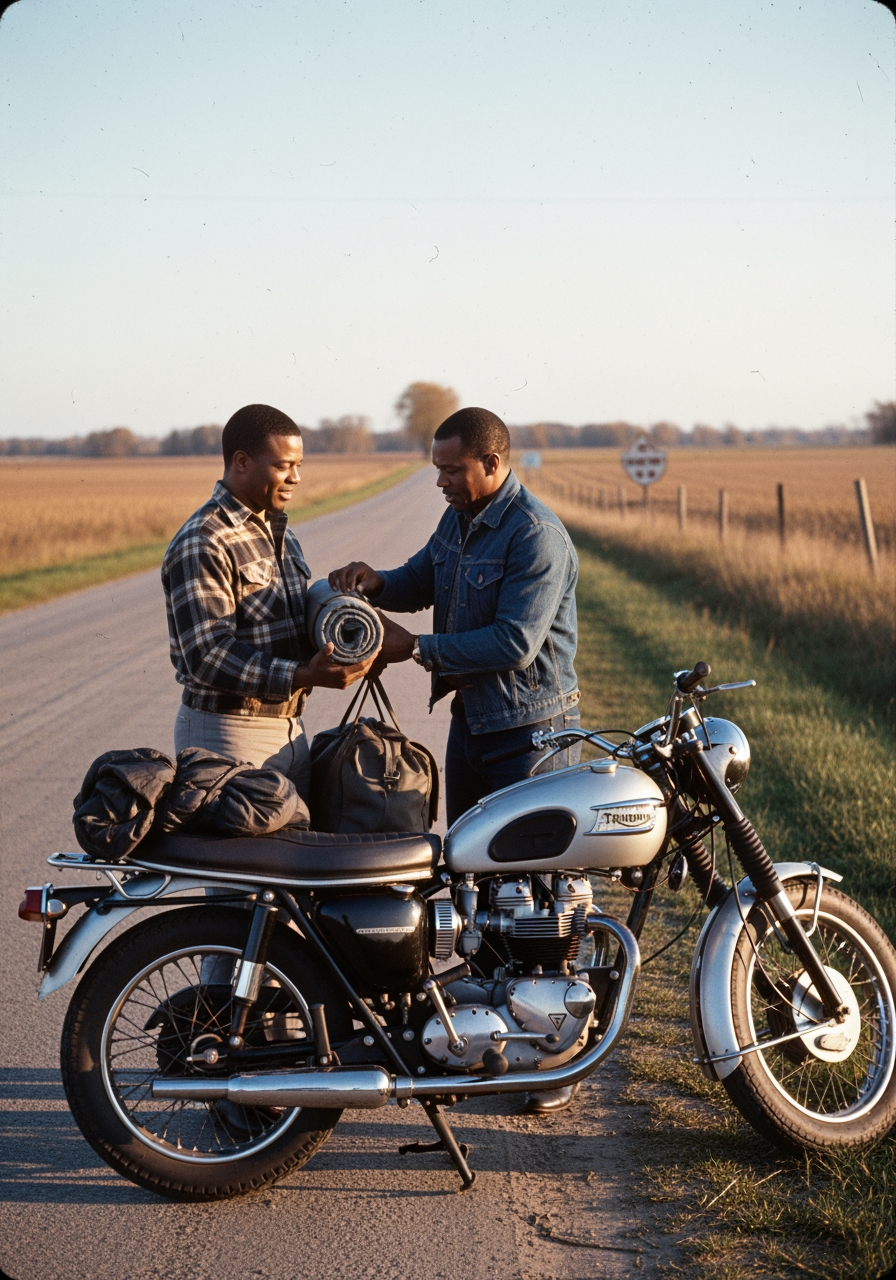
Favorite backroad within an hour of the city that most people never find. Share it (or keep it, we get it). #RideNationChicago #Chicagoland #MotorcycleCommunity
Giveaway & Countdown
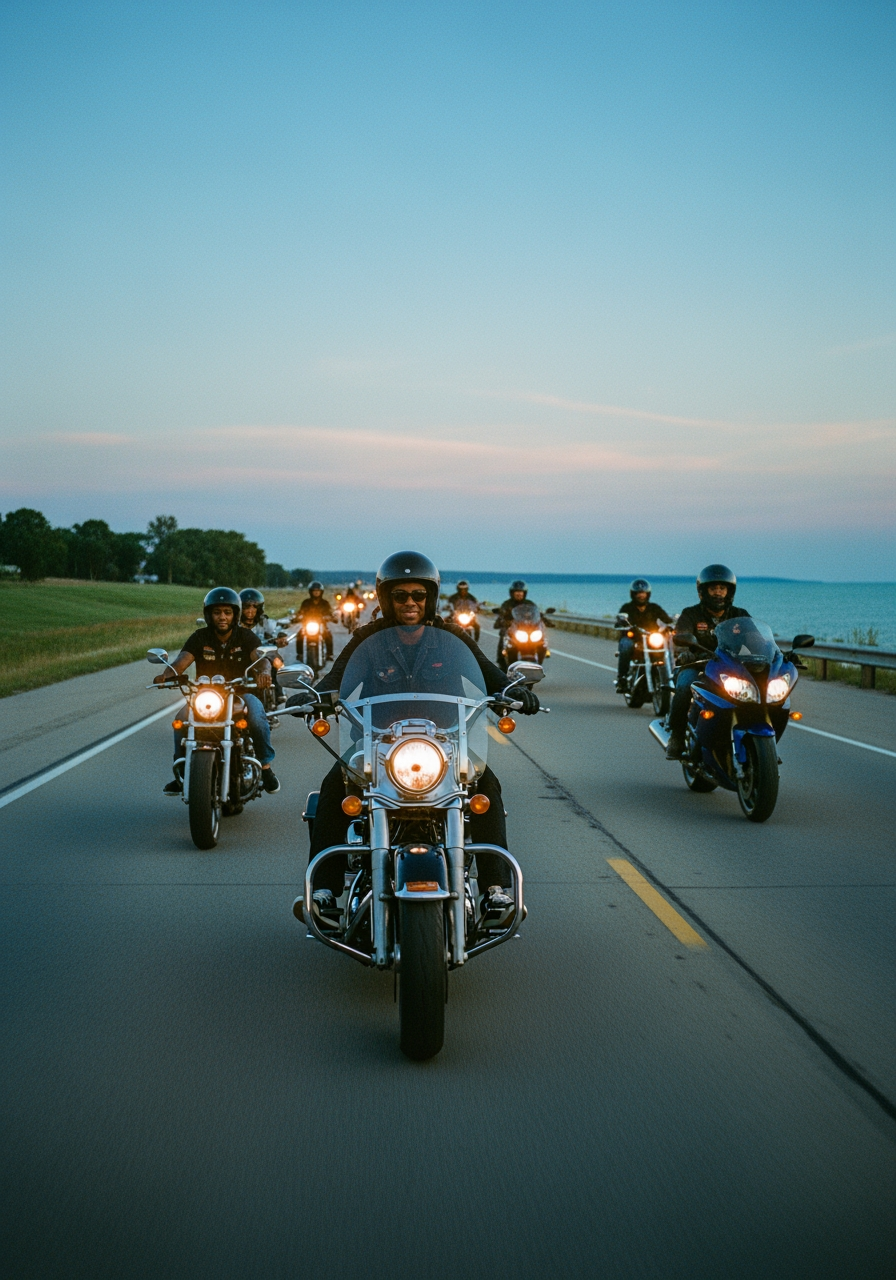
No catch. No fee. Riders 18 and up enter free, one winner takes $20,000 toward any motorcycle, drawn December 10. Link in comments. #RideNationChicago #FreeToEnter #20kGiveaway
Local Chicago & Rides
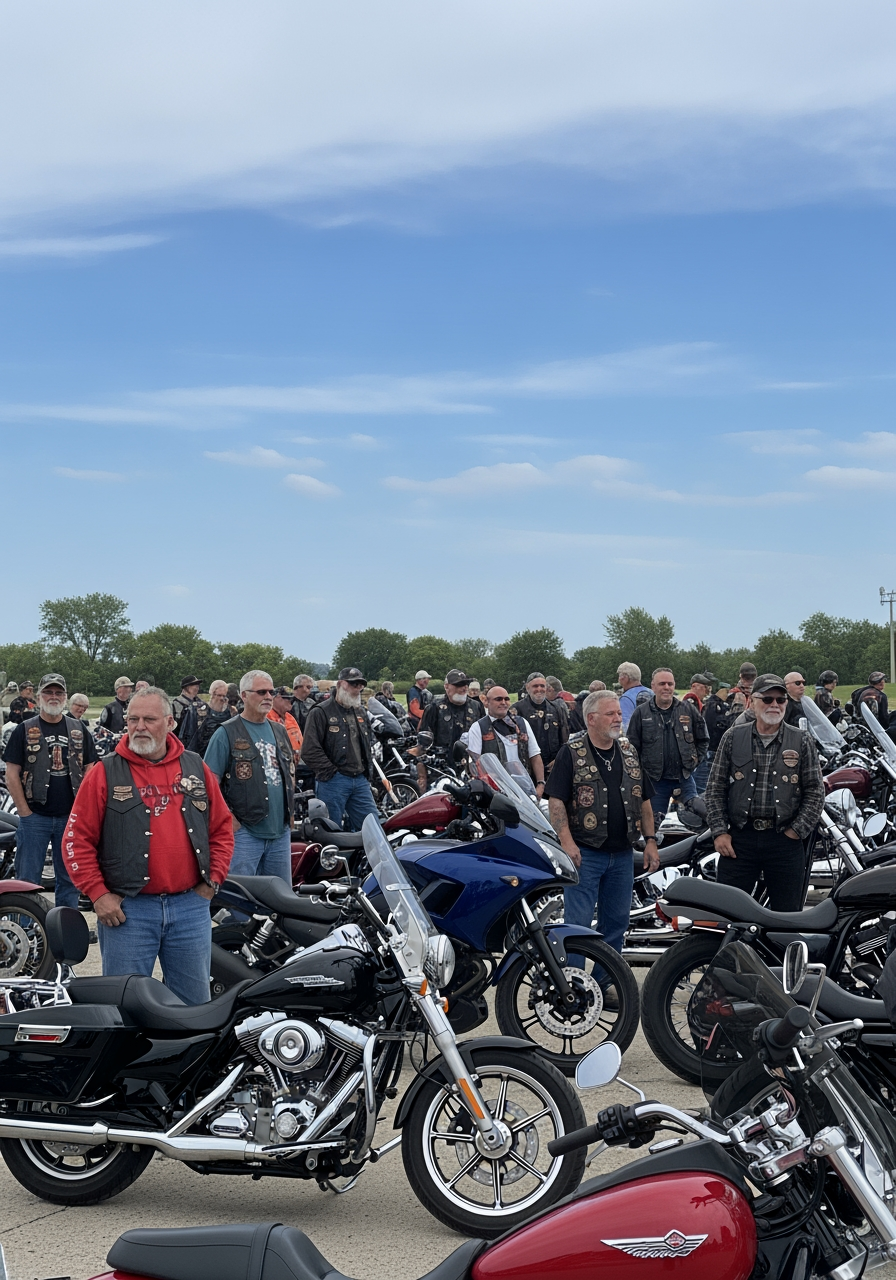
It is garage season. Battery on a tender, tires off the cold floor, fuel treated. Spring you will thank yourself. #RideNationChicago #ChicagoRiders #IllinoisRiding
Gear & New Iron
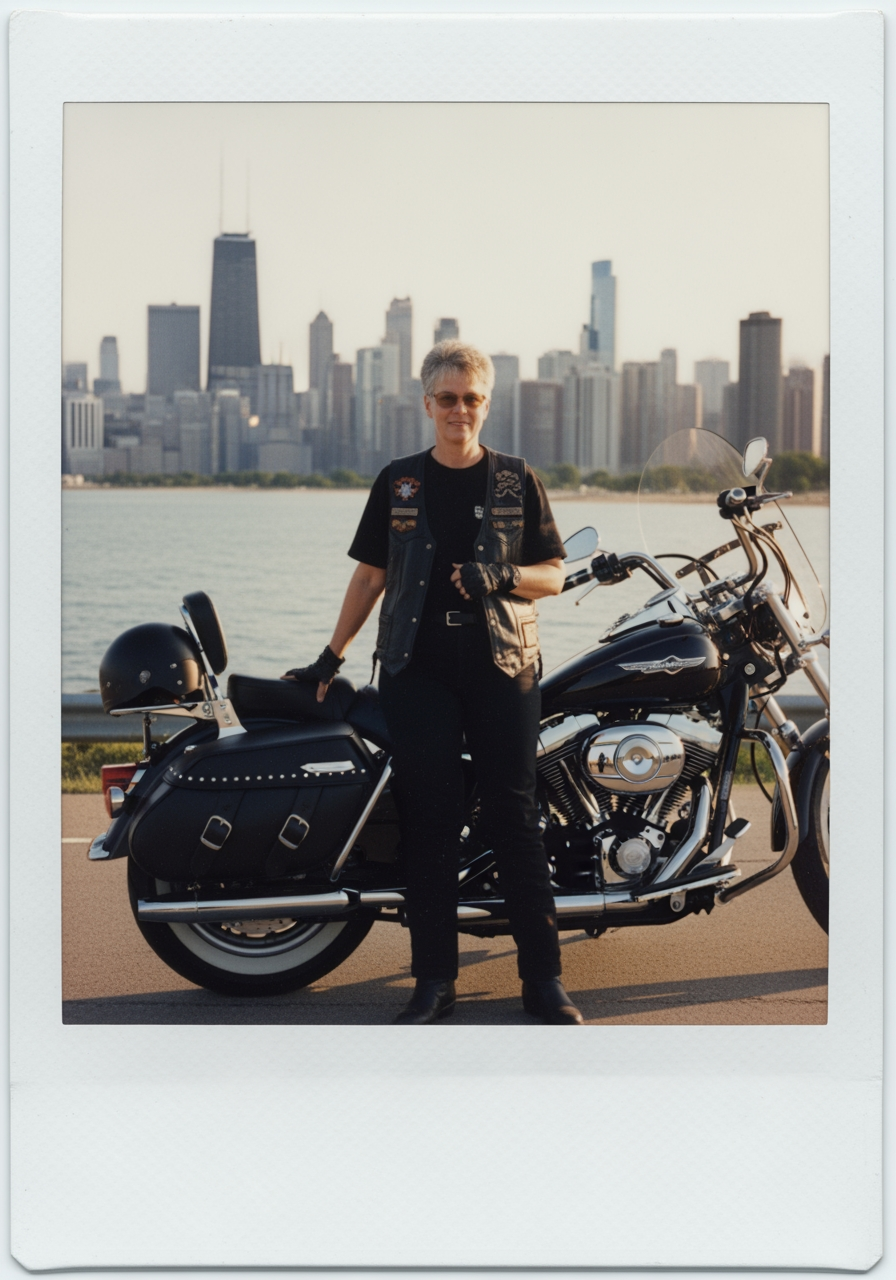
Give cold tires a few easy miles before you lean on them. Rubber grips best warm, and the first turns on a freezing morning are the ones that surprise people. #RideNationChicago #ColdWeatherRiding #RiderTips
Safety & IL Law
Gear up every ride, not just the long ones. Most crashes happen close to home at low speed. ATGATT saves skin. Down and hurting? Derek and the team, 773-832-5109. #RideNationChicago #ATGATT #RiderSafety
Engagement
This or that: full face or open face. Defend your pick. #RideNationChicago #TwoWheels #BikerLife
Giveaway & Countdown
Riding safe through a Chicago winter takes a plan. Derek and the DDT Injury Team can help, 773-832-5109. Enter the $20,000 giveaway too, link in comments. #RideNationChicago #BikersWin #Chicagoland
Local Chicago & Rides
Salt is the enemy right now. If you steal a winter ride, hose the bike down after, especially under the frame. Corrosion does not take the winter off. #RideNationChicago #ChicagoRiders #IllinoisRiding
Gear & New Iron
Winter battery tip: a thirty dollar tender beats a dead battery come spring. Plug it in before the first hard freeze and forget about it. #RideNationChicago #MotorcycleMaintenance #RiderTips
Safety & IL Law
The 25/50/20 minimum is a floor, not a goal. One hospital stay blows past it fast. Carry 100/300 if you can swing it. Questions? DDT Injury Team, 773-832-5109. #RideNationChicago #IllinoisLaw #UninsuredMotorist
Engagement
Tag a rider who needs to hear 'spring is closer than you think' today. #RideNationChicago #RideOrDie #ChicagoRiders
Giveaway & Countdown
Why not you? Every entry has the same shot at $20,000 toward a new bike. Free to enter, drawn December 10. Entry link in the comments. #RideNationChicago #MotorcycleGiveaway #WinABike
Local Chicago & Rides
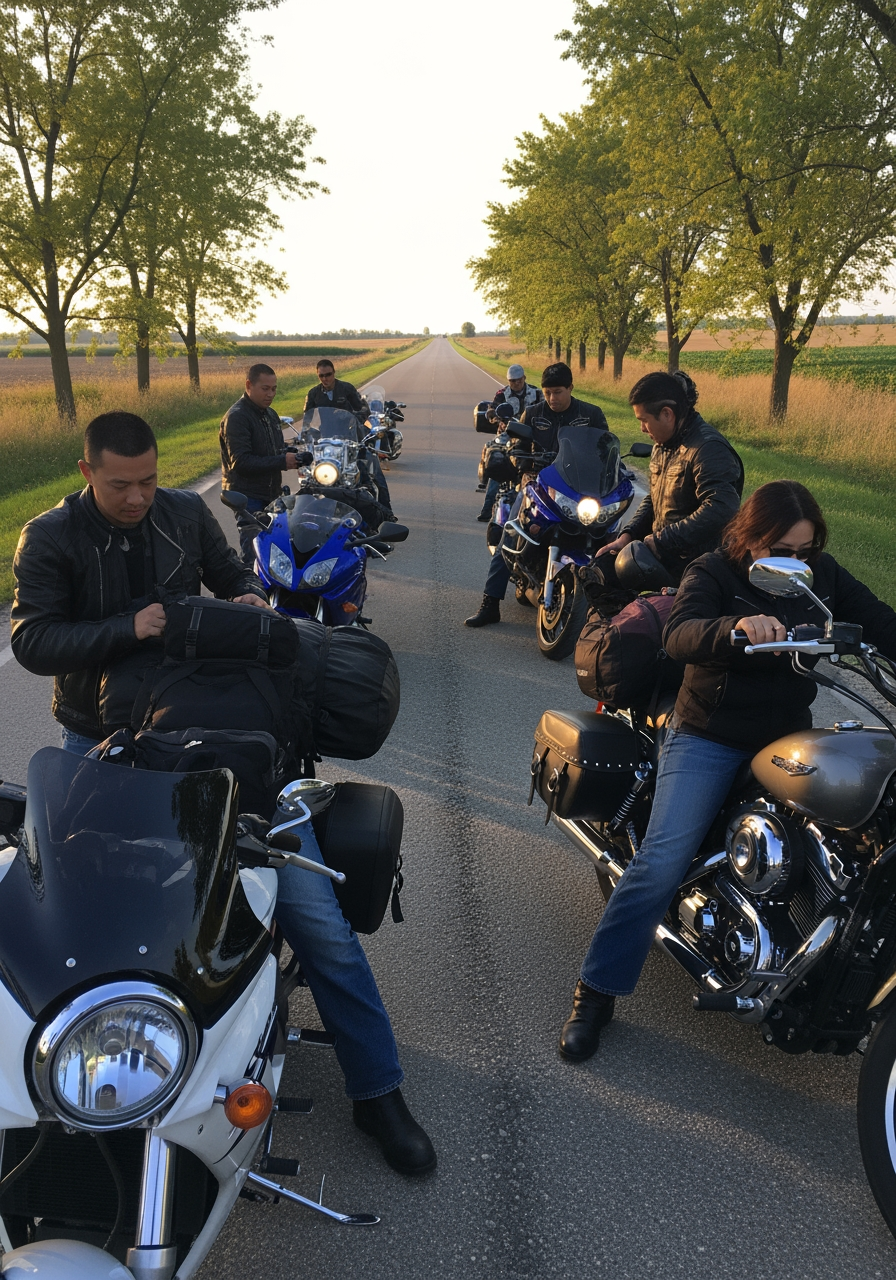
One warm dry day in January is a gift. Check your tires, warm it up slow, stay off shaded backroads, and keep it short. Enjoy it. #RideNationChicago #ChicagoRiders #IllinoisRiding
Gear & New Iron
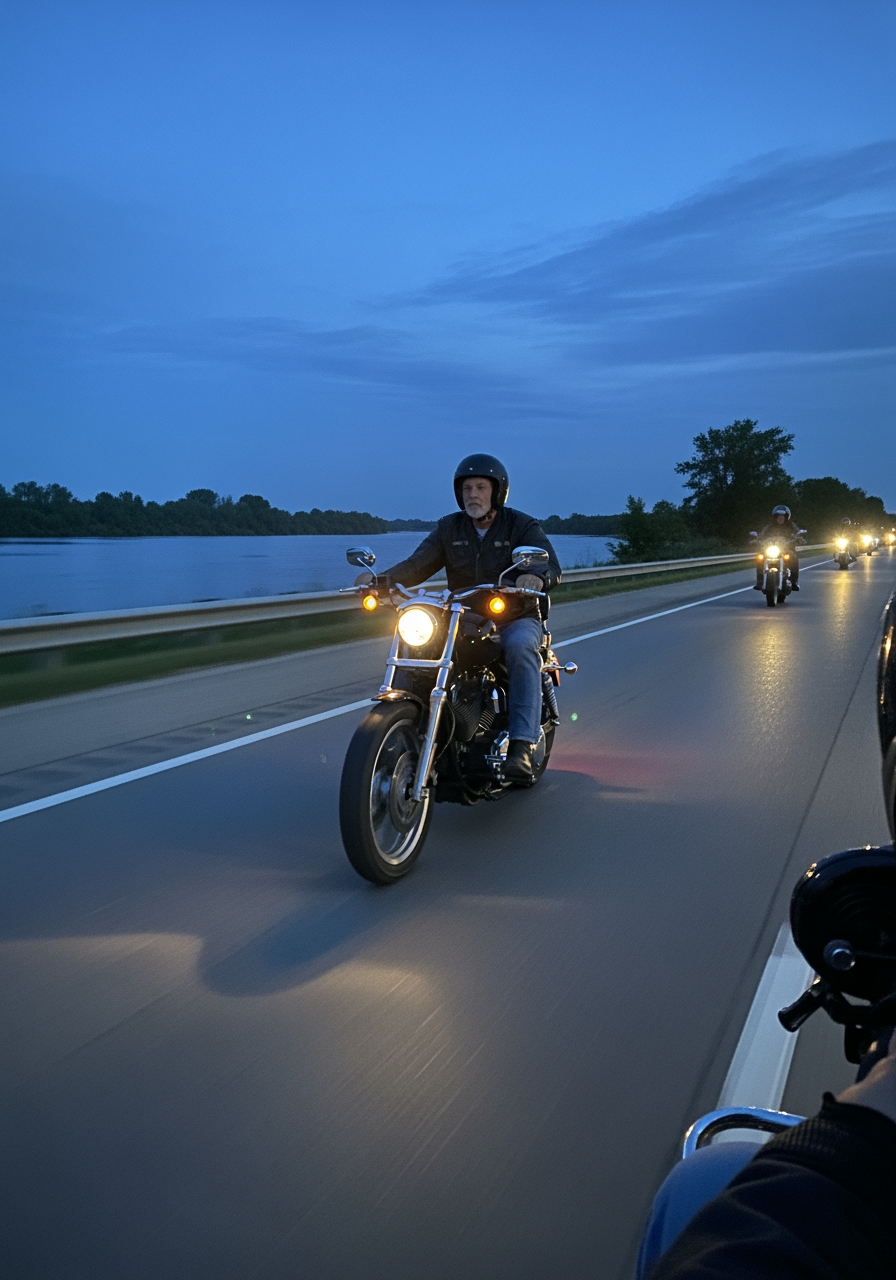
Pull the battery for long storage if your garage gets brutal. Cold drains a resting battery, and a tender on a bench in a warmer spot keeps it alive till the thaw. #RideNationChicago #MotorcycleMaintenance #ColdWeatherRiding
Safety & IL Law
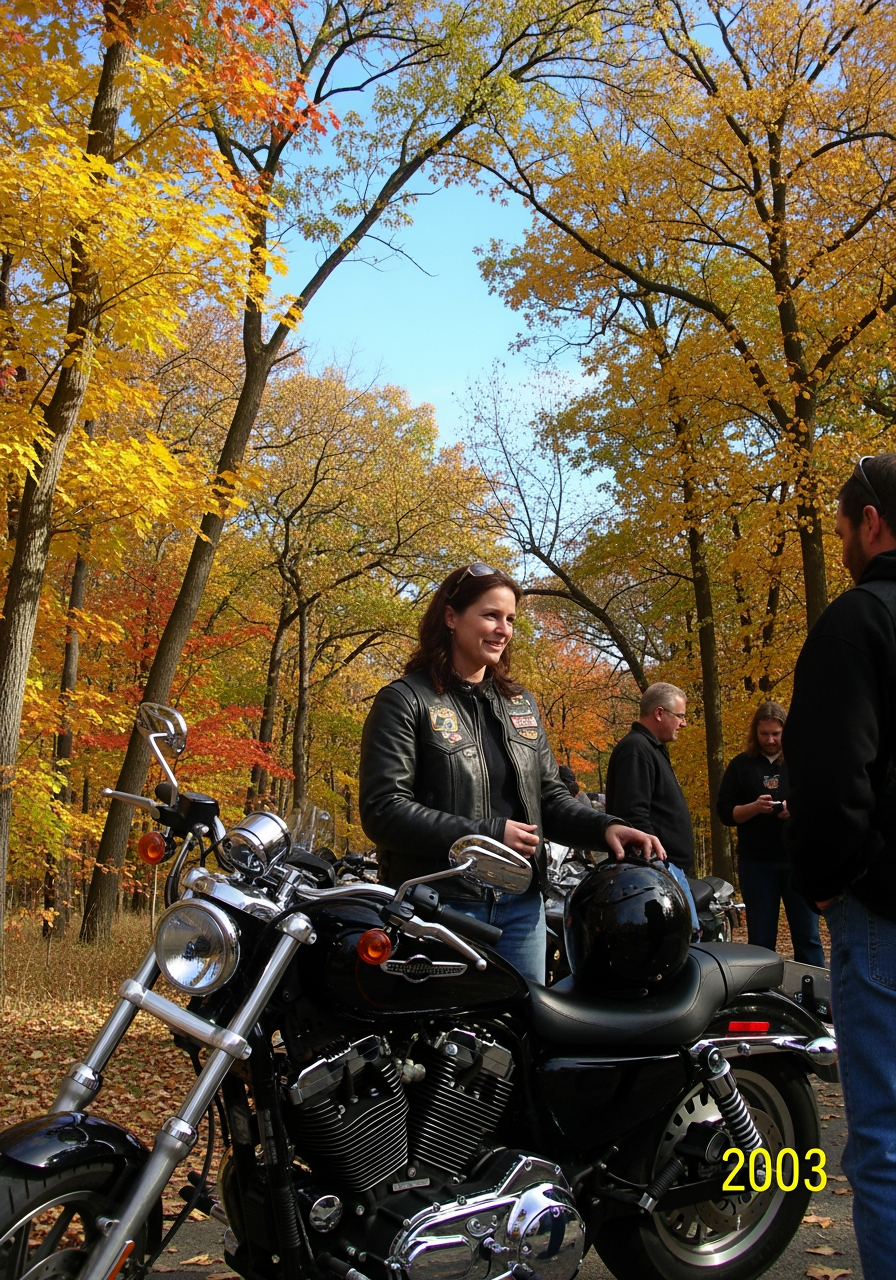
Two years is the general deadline for an injury claim in Illinois, but a claim against a city can be much shorter. Do not guess. Ask early. Derek Martin and the team, 773-832-5109. #RideNationChicago #IllinoisLaw #KnowYourRights
Engagement
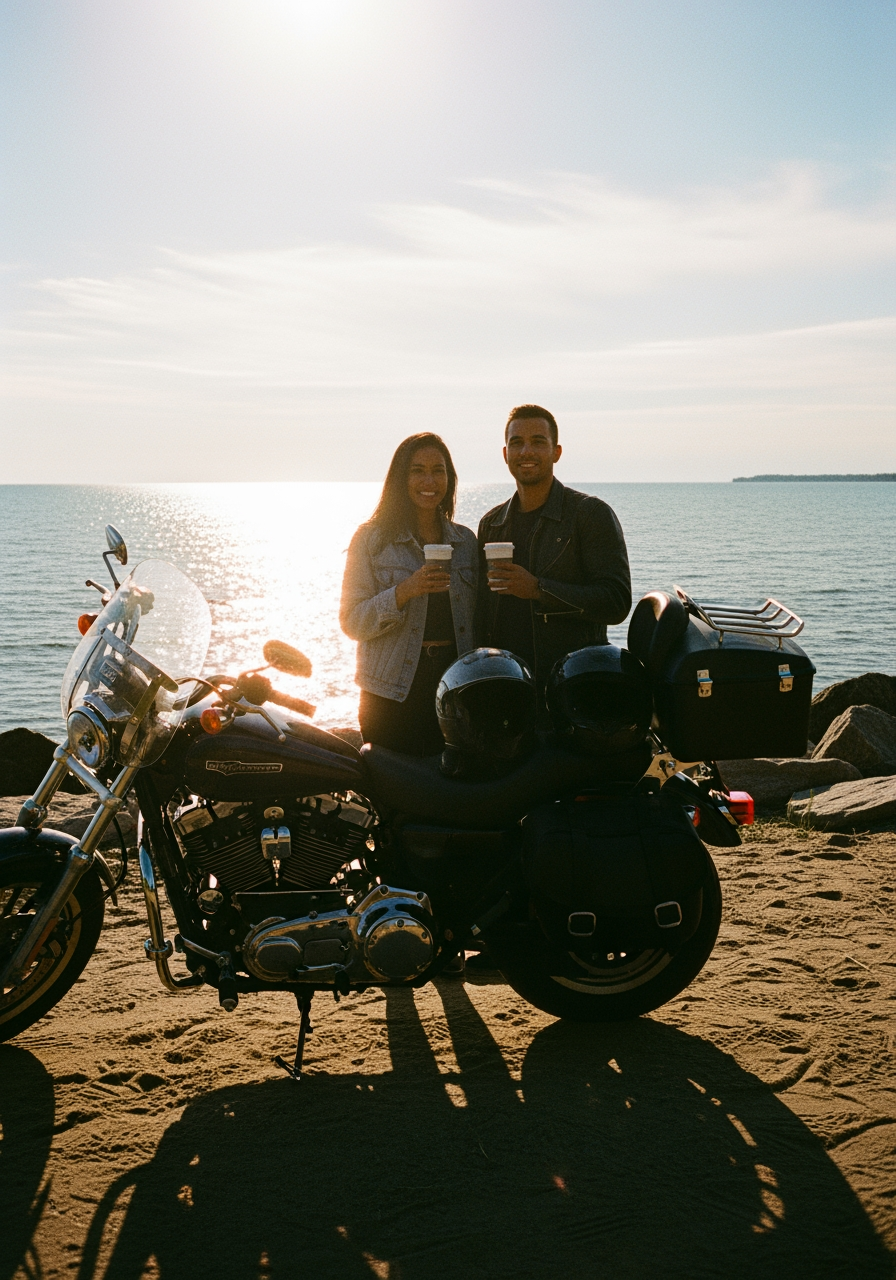
Fill in the blank: I know it is layup season when ________. #RideNationChicago #ChicagoMotorcycles #IllinoisRiders
Giveaway & Countdown
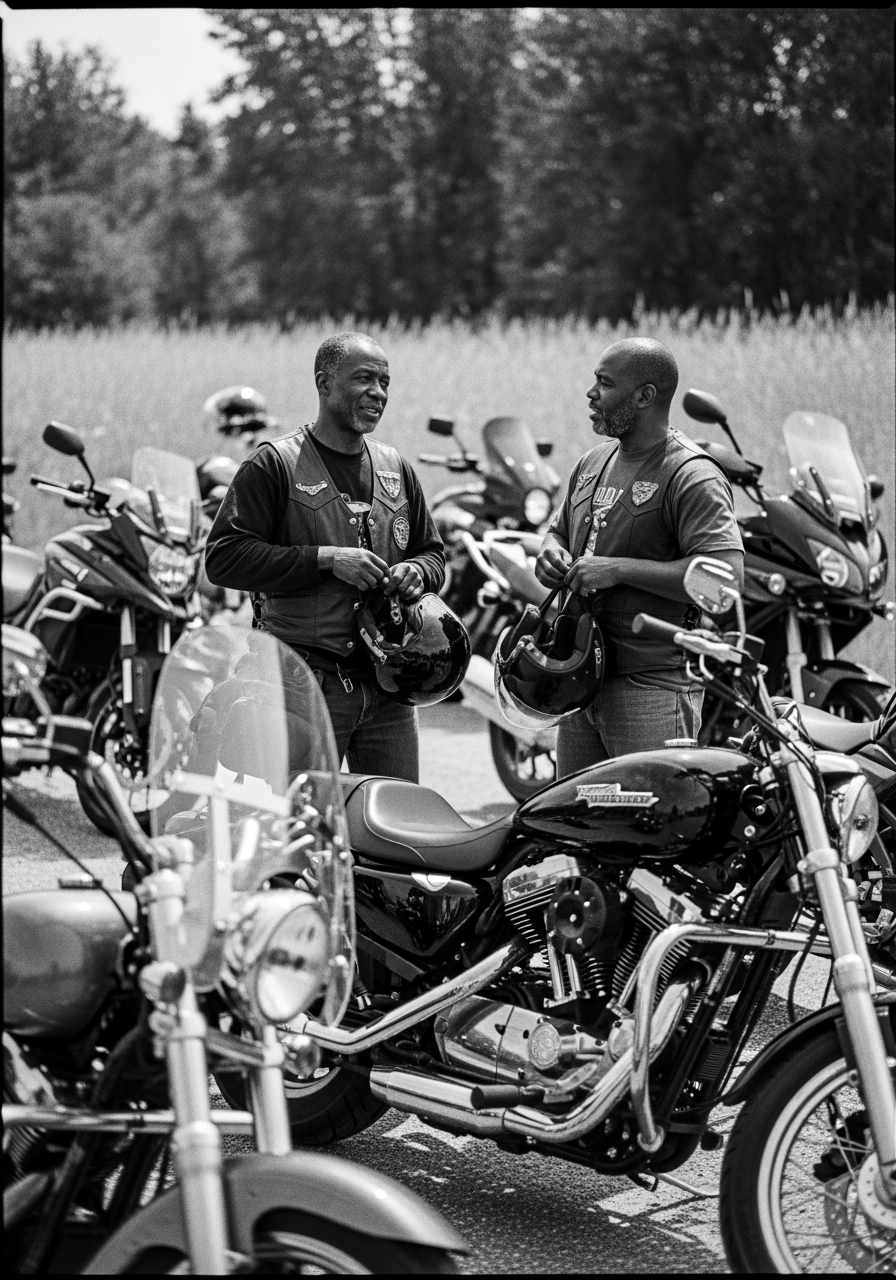
What bike is at the top of your list? $20,000 could cover it. One winner drawn December 10, free to enter. Link in comments. #RideNationChicago #20kGiveaway #ChicagoRiders
Local Chicago & Rides
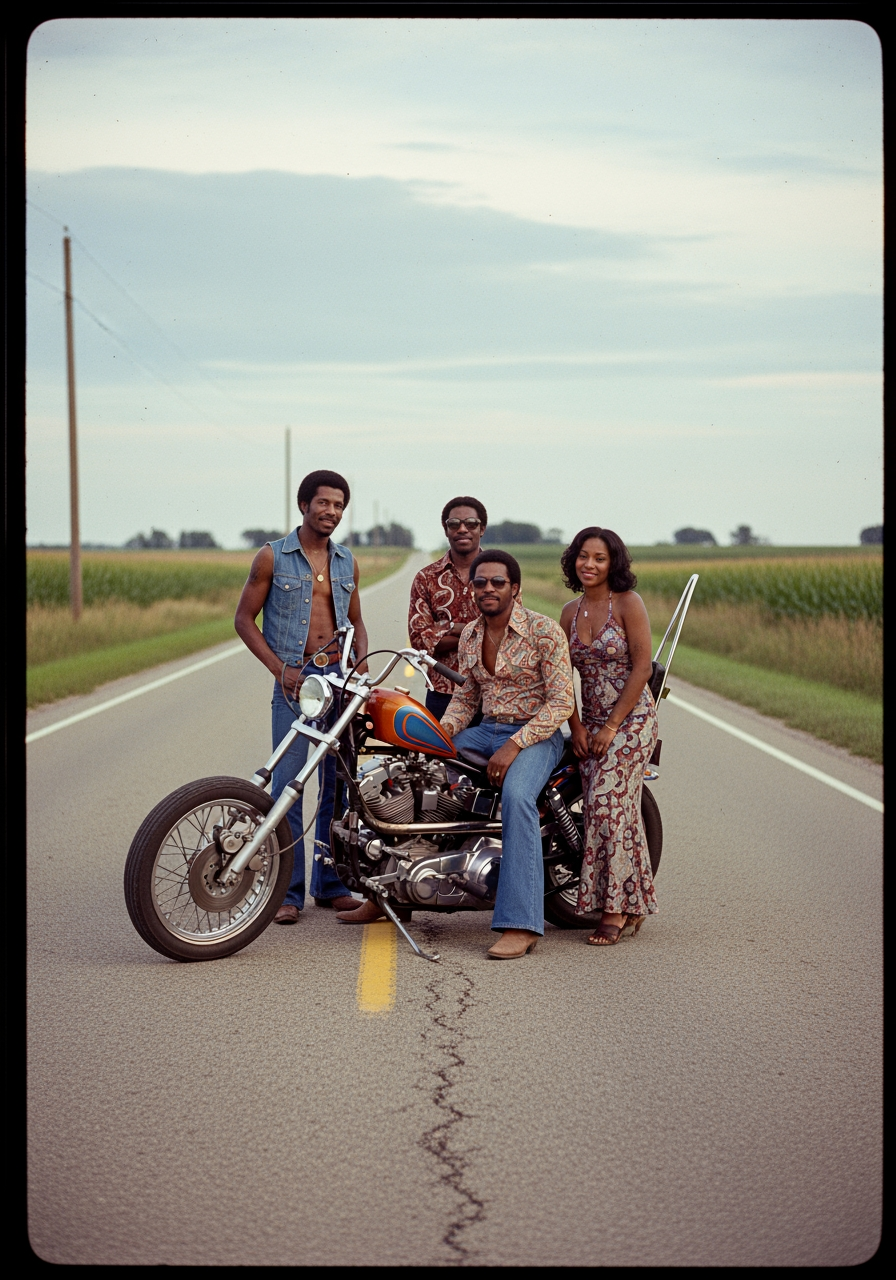
Start the spring list now. DuSable Lake Shore Drive, Starved Rock, Galena, the Fox River. Write it down so you are ready the first clean weekend. #RideNationChicago #StarvedRock #LakeShoreDrive
Gear & New Iron
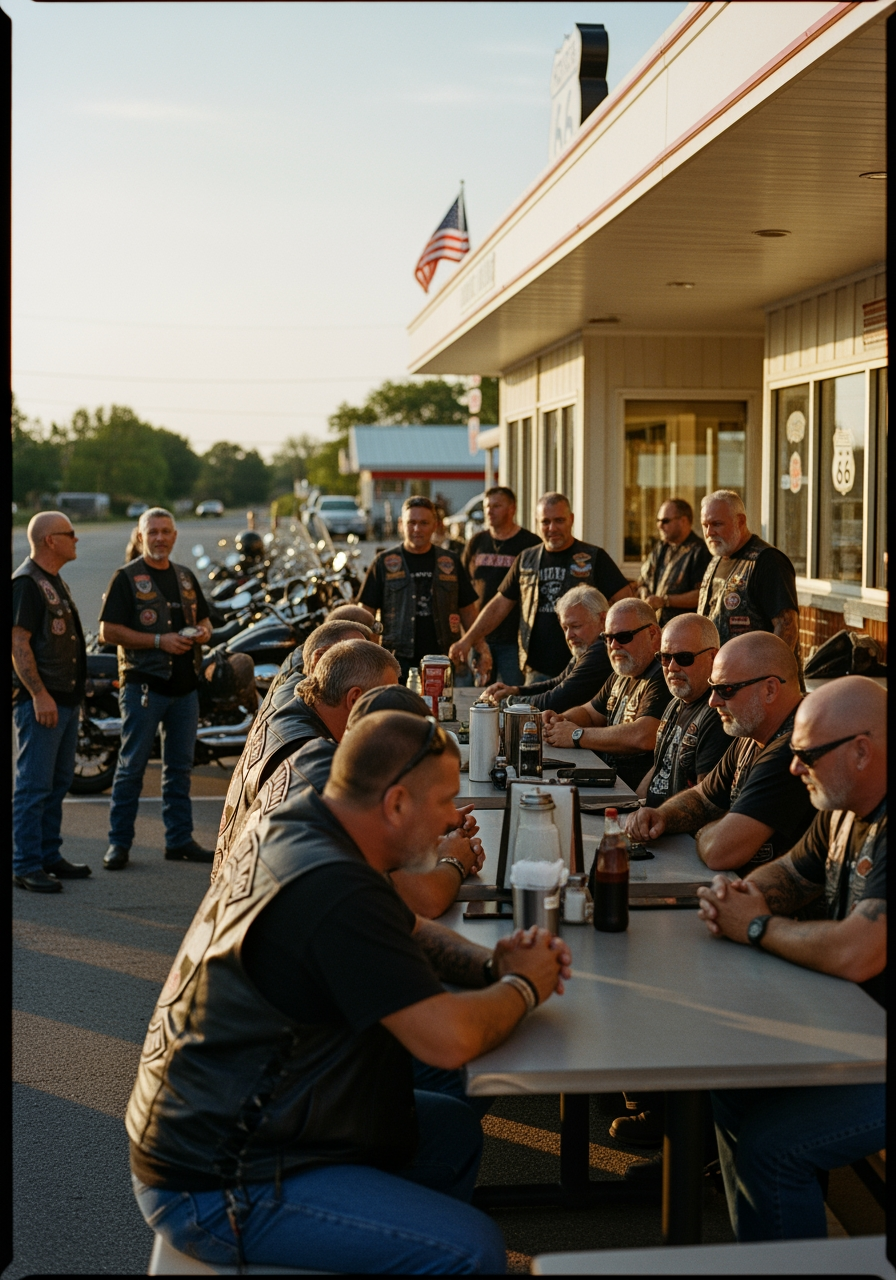
Brake fluid is easy to ignore and expensive to forget. It soaks up water over time, which drops your braking power. Two years is a good flush interval, sooner if it looks dark. #RideNationChicago #MotorcycleMaintenance #RiderTips
Safety & IL Law
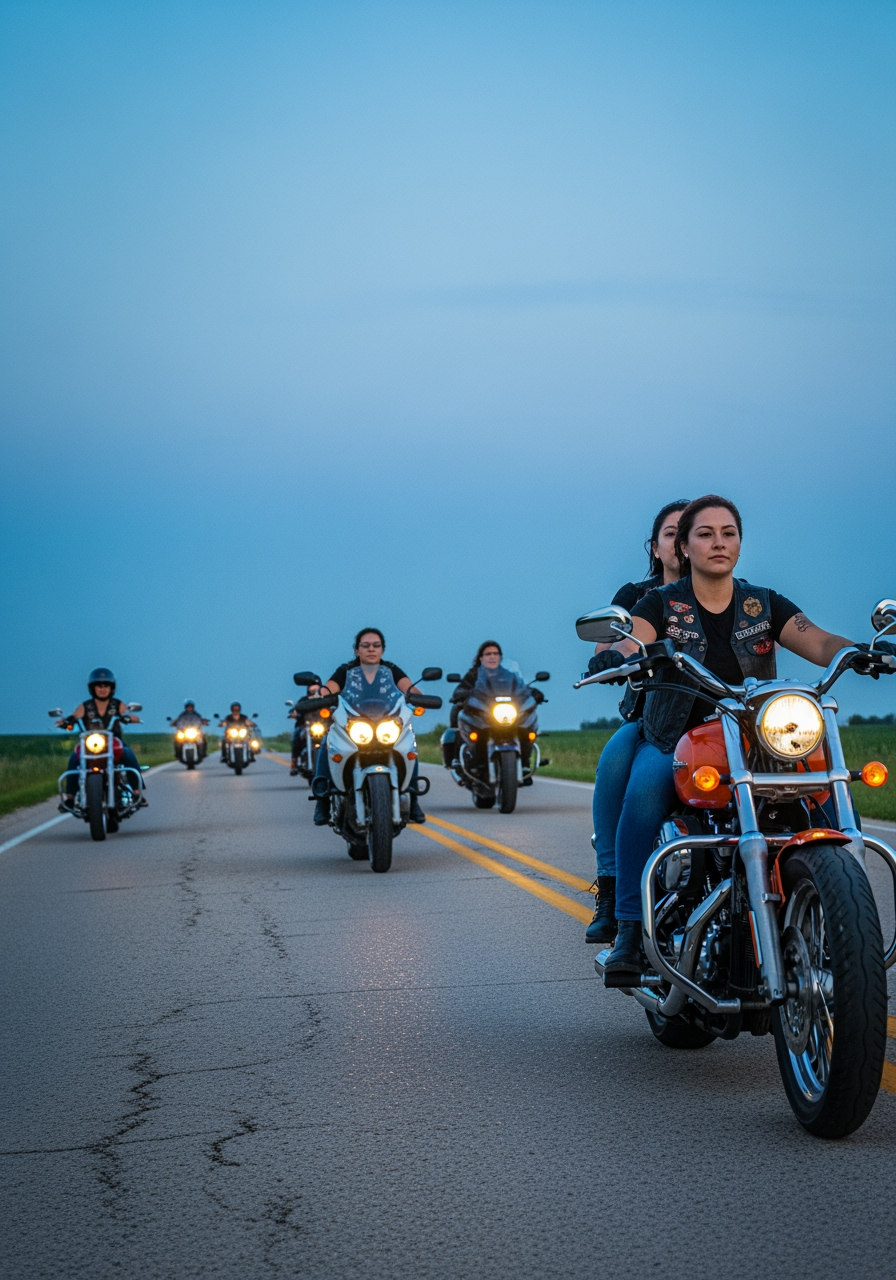
Choosing to skip a helmet in Illinois is legal, and it cannot be flipped around to blame you for a head injury. Your body, your choice. Hurt in a crash? DDT Injury Team, 773-832-5109. #RideNationChicago #MotorcycleSafety #KnowYourRights
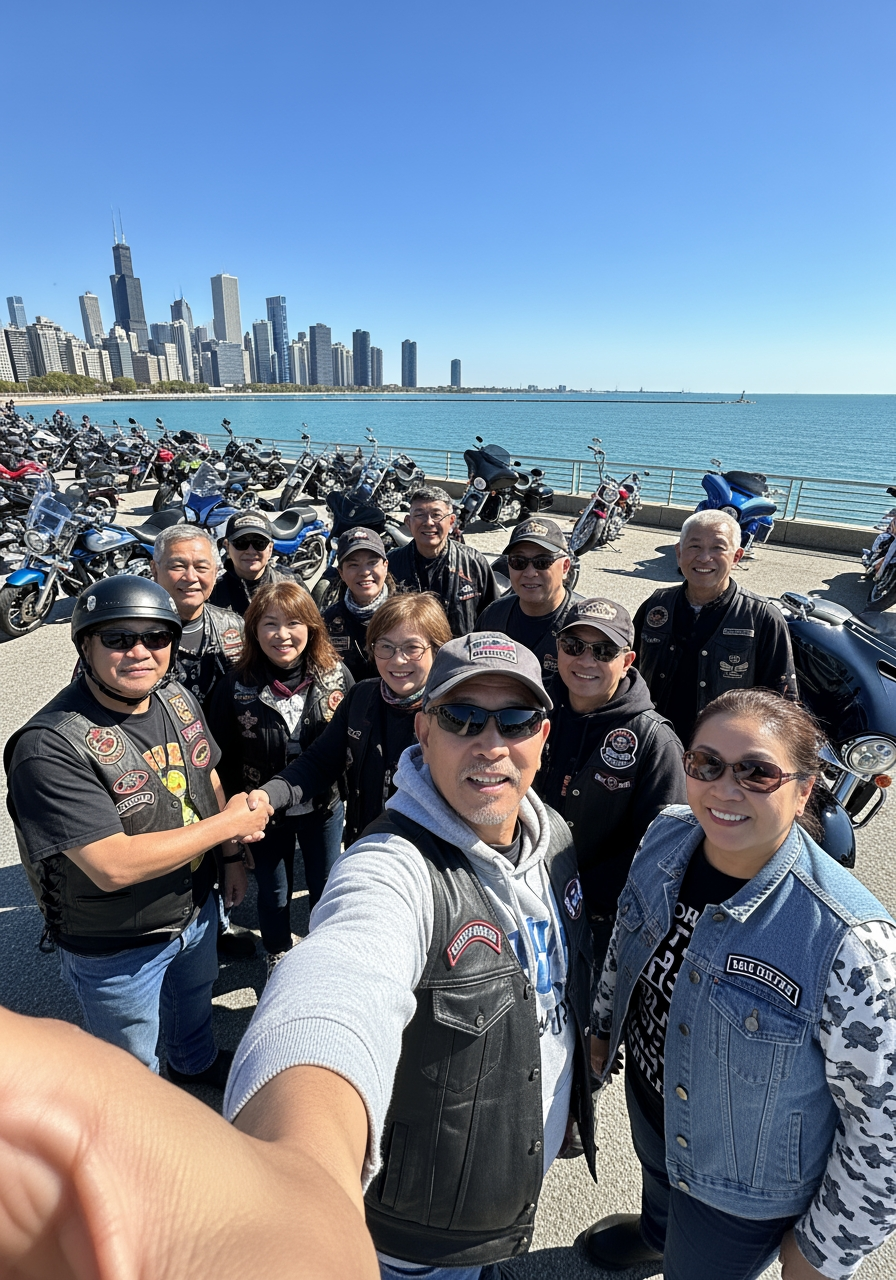
Engagement
Poll: coffee before the ride or coffee at the halfway stop. Pick your fuel plan. #RideNationChicago #MotorcycleCommunity #TwoWheels
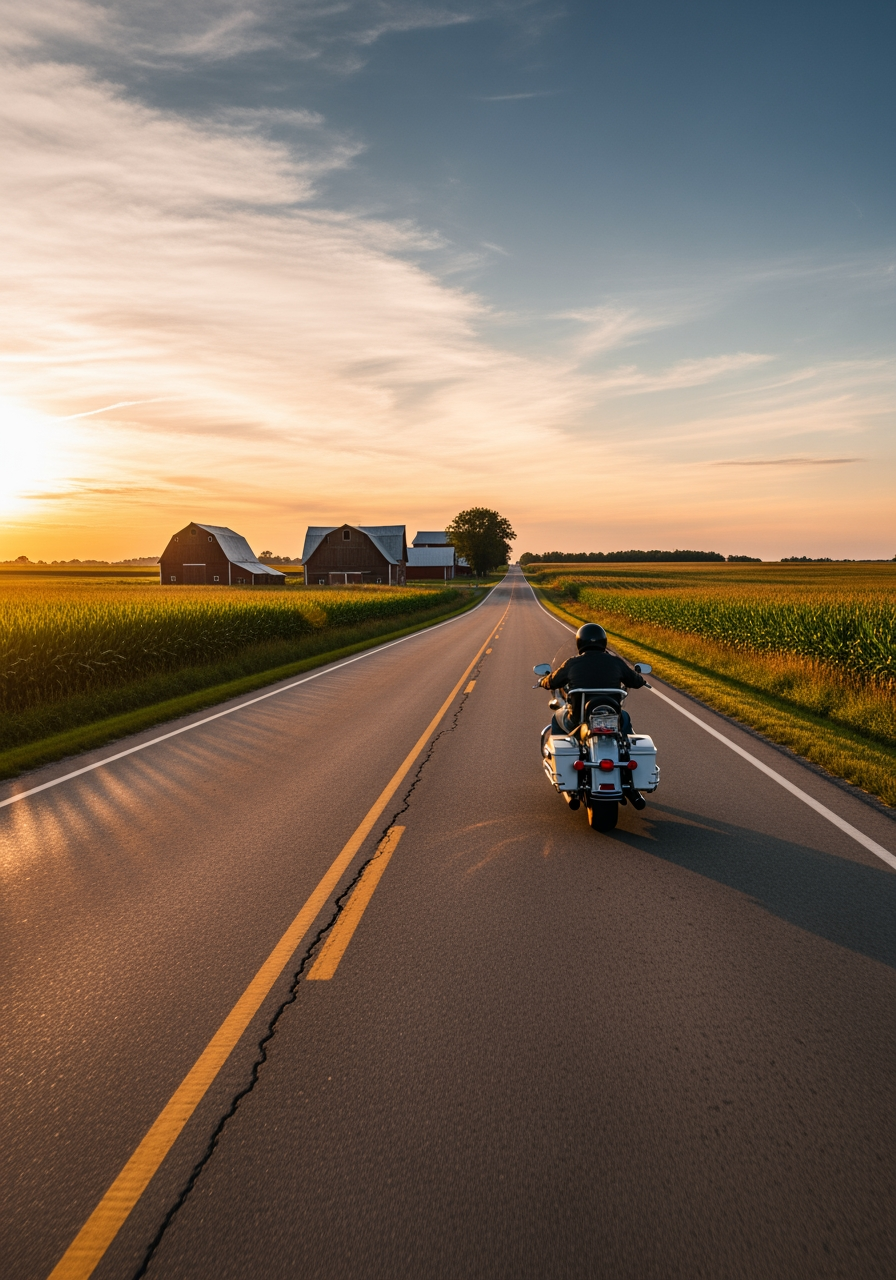
Giveaway & Countdown
The BikersWin $20,000 giveaway is heating up. Riders all over Chicagoland are in. Two minutes to add your name, entry link in the comments. #RideNationChicago #BikersWin #Chicagoland
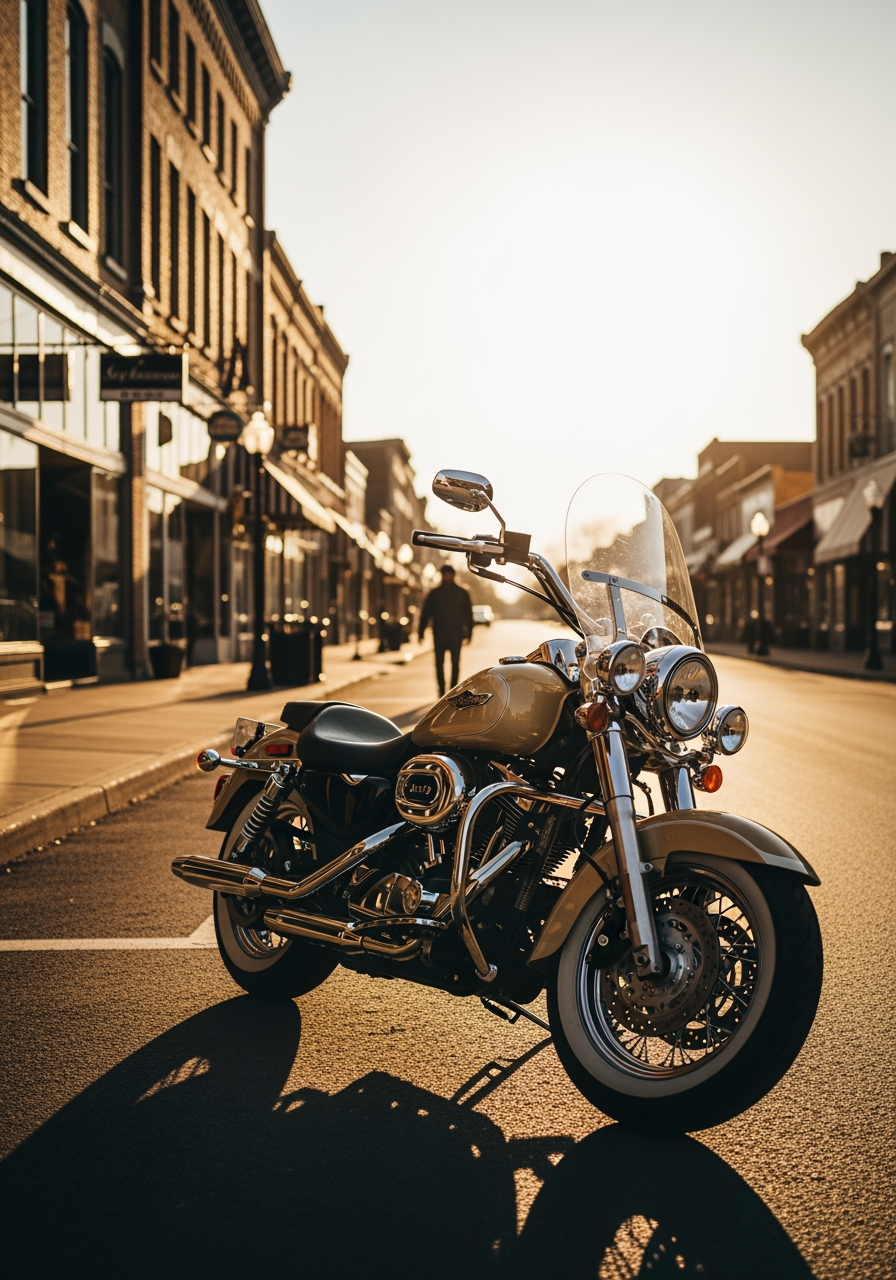
Local Chicago & Rides
Deer are moving at dusk all winter, and they cross Sheridan Road and the North Shore backroads without looking. Cover your brakes when the light drops. #RideNationChicago #NorthShore #IllinoisRiding
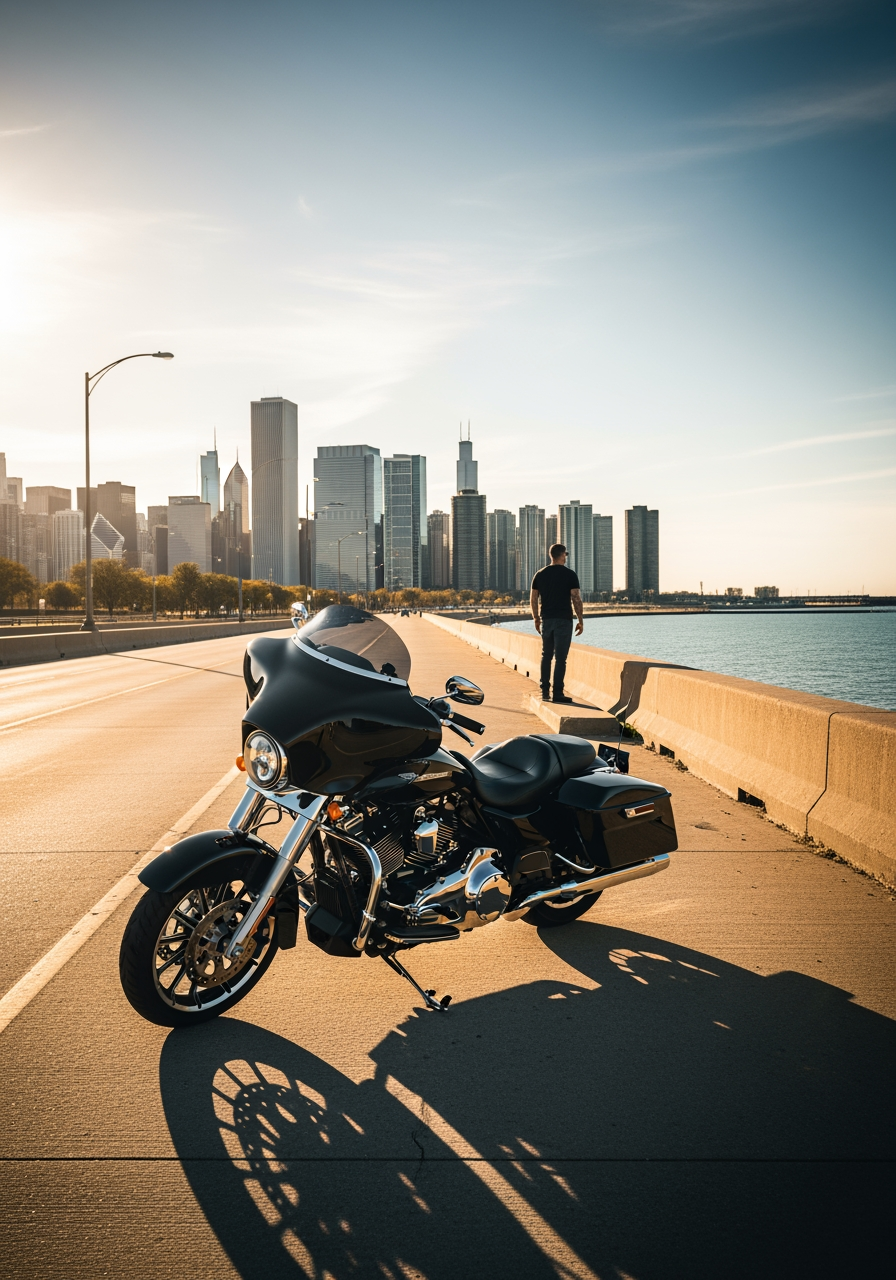
Gear & New Iron
Squeeze your levers before every ride. A brake that feels spongy is telling you something, usually air or old fluid. Firm and predictable is how it should feel every time. #RideNationChicago #MotorcycleMaintenance #RiderTips
Safety & IL Law
Assume the driver at the intersection does not see you. Slow, cover the brakes, leave an out. Left-turners cause too many rider crashes. Need help after one? Derek, 773-832-5109. #RideNationChicago #RiderSafety #ChicagoRiders
Engagement
Honest question: what song is always playing in your head on the open road. #RideNationChicago #BikerLife #ChicagoRiders
Giveaway & Countdown
Picture next riding season on a bike you did not pay a dime for. That is what $20,000 does. Drawn December 10, free to enter, link in comments. #RideNationChicago #MotorcycleGiveaway #WinABike
Local Chicago & Rides
Potholes are coming. The freeze and thaw is chewing up the pavement now and you will feel it in spring, especially on the city grid. Scan ahead and pick your line. #RideNationChicago #Chicagoland #ChicagoRiders
Gear & New Iron
Chain care is fifteen minutes that saves a driveline. Clean it, lube it, and set the slack to spec. A dry tight chain wears sprockets and robs you of smooth power. #RideNationChicago #MotorcycleMaintenance #RiderTips
Safety & IL Law
Your eye protection is not optional in Illinois, it is the law. Clear shield at night, tinted by day. Simple habit, big payoff. Questions after a wreck? DDT Injury Team, 773-832-5109. #RideNationChicago #IllinoisLaw #ATGATT
Engagement
Caption this: first genuinely warm Saturday of spring and the whole city sounds like engines. #RideNationChicago #Chicagoland #ChicagoMotorcycles
Giveaway & Countdown
Halfway to December 10 and the $20,000 is still up for grabs. Do not sit this one out. Free to enter, entry link in the comments. #RideNationChicago #20kGiveaway #ChicagoRiders
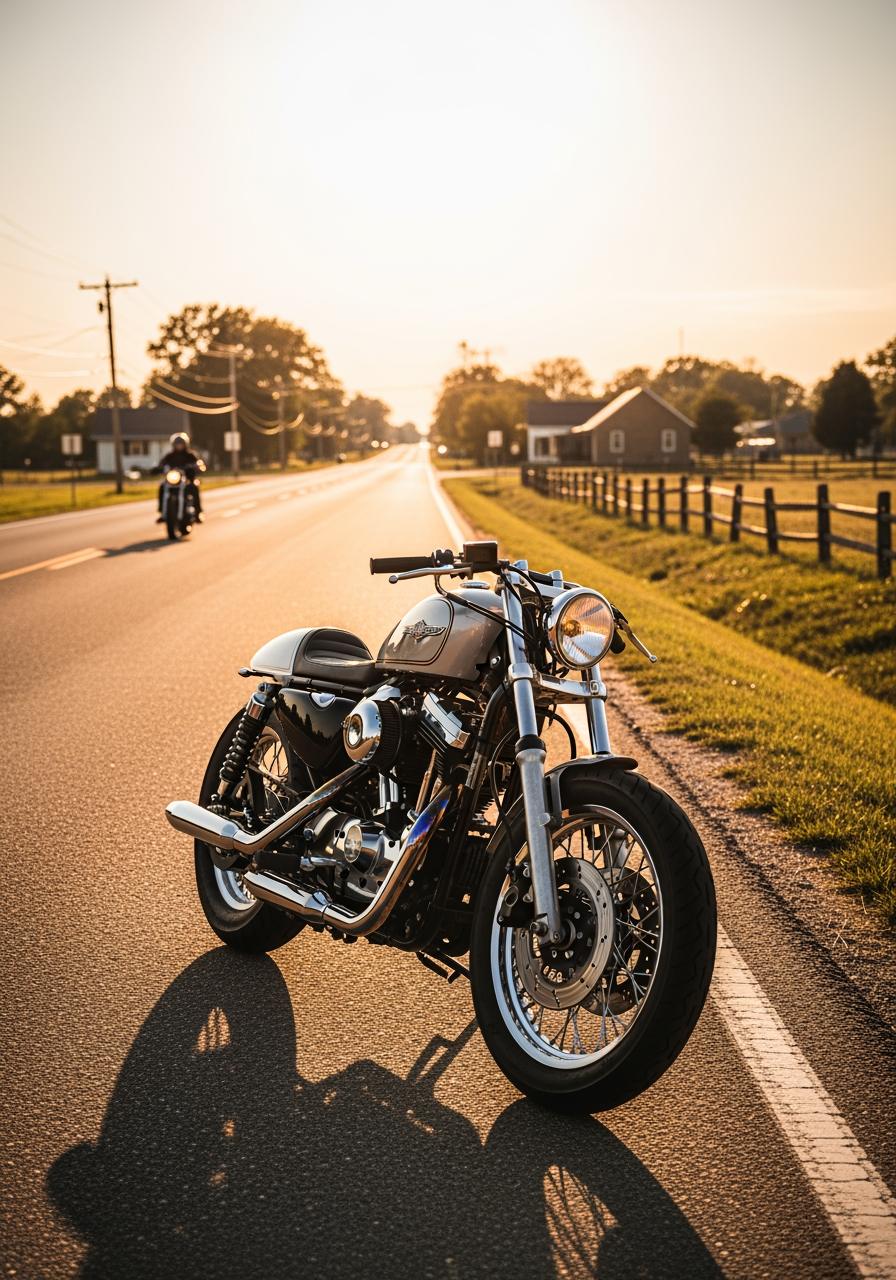
Local Chicago & Rides
Bike night talk in the offseason keeps the crew together. Where are we running first this spring? Drop the road you want on the list. #RideNationChicago #ChicagoRiders #Chicagoland
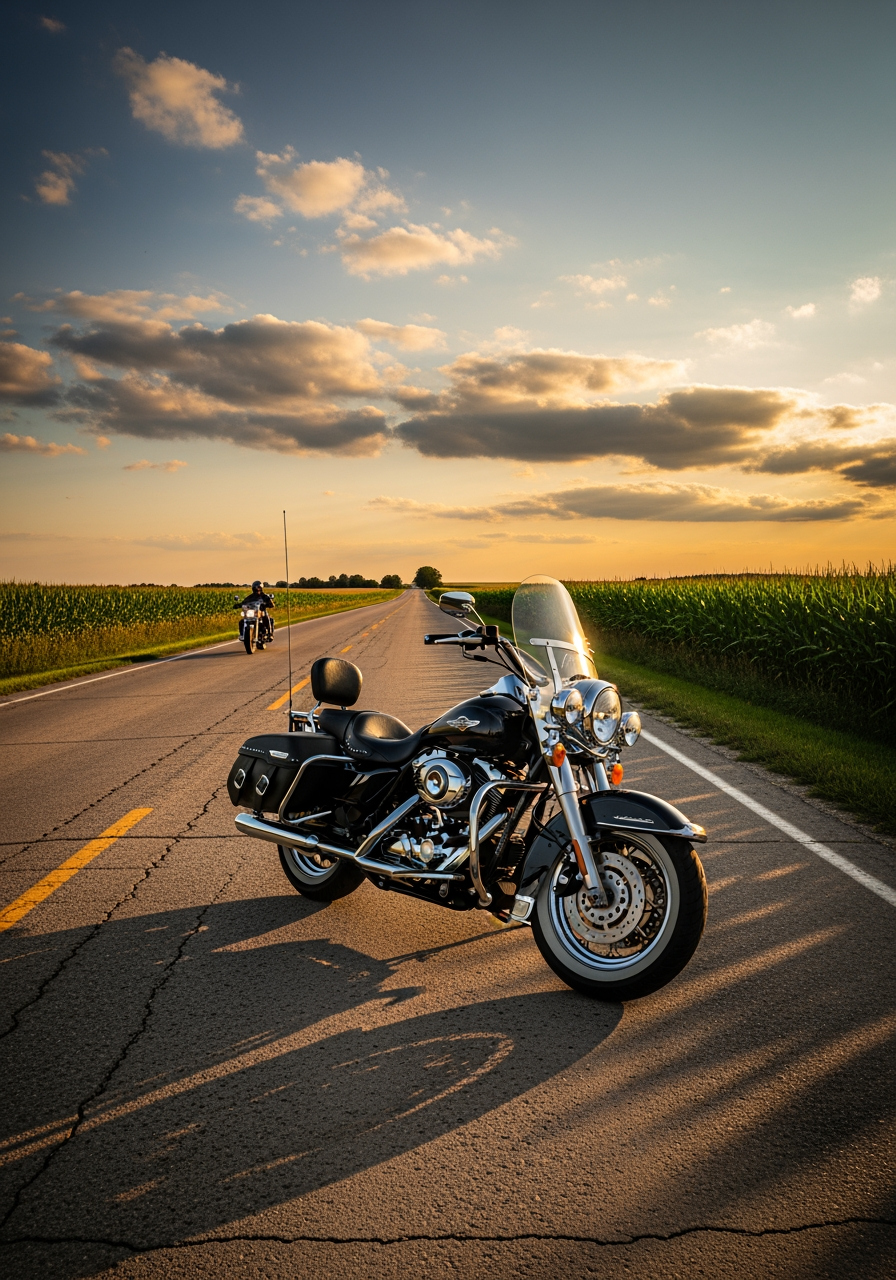
Gear & New Iron
Check your chain slack with the bike on the sidestand and a hand on the run. Too tight stresses the countershaft, too loose slaps around. The manual number is your target. #RideNationChicago #MotorcycleMaintenance #GearUp
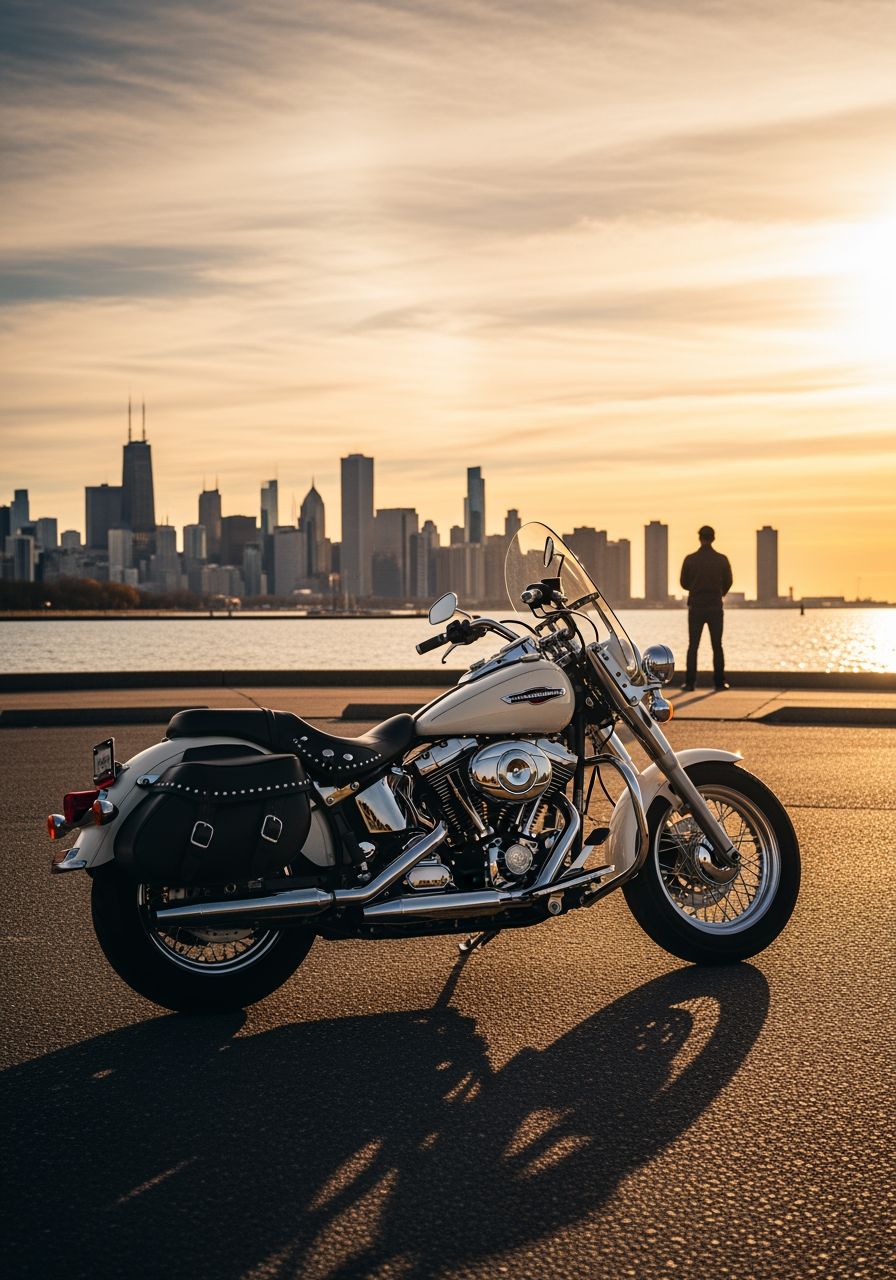
Safety & IL Law
A pothole claim against the city can carry a one-year deadline, not the usual two. City roads play by different rules. Hurt on Chicago pavement? Derek and the team, 773-832-5109. #RideNationChicago #IllinoisLaw #ChicagoRiders
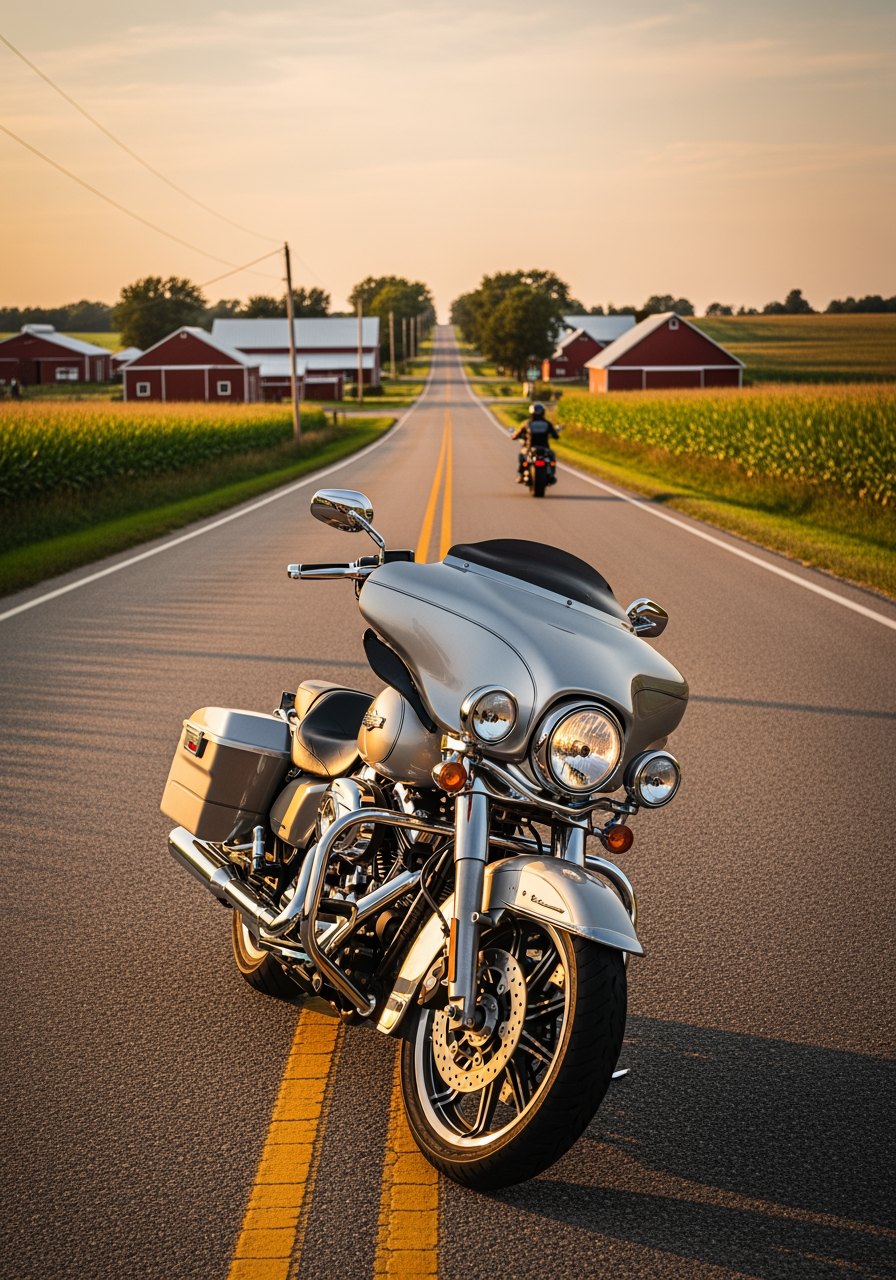
Engagement
Would you rather add one accessory to your bike for free or add one skill to your riding for free. Choose wisely. #RideNationChicago #TwoWheels #IllinoisRiders
Giveaway & Countdown
Tag two riders who would lose their minds over $20,000 toward a new bike. Free to enter, drawn December 10. Link in comments. #RideNationChicago #BikersWin #FreeToEnter
Local Chicago & Rides
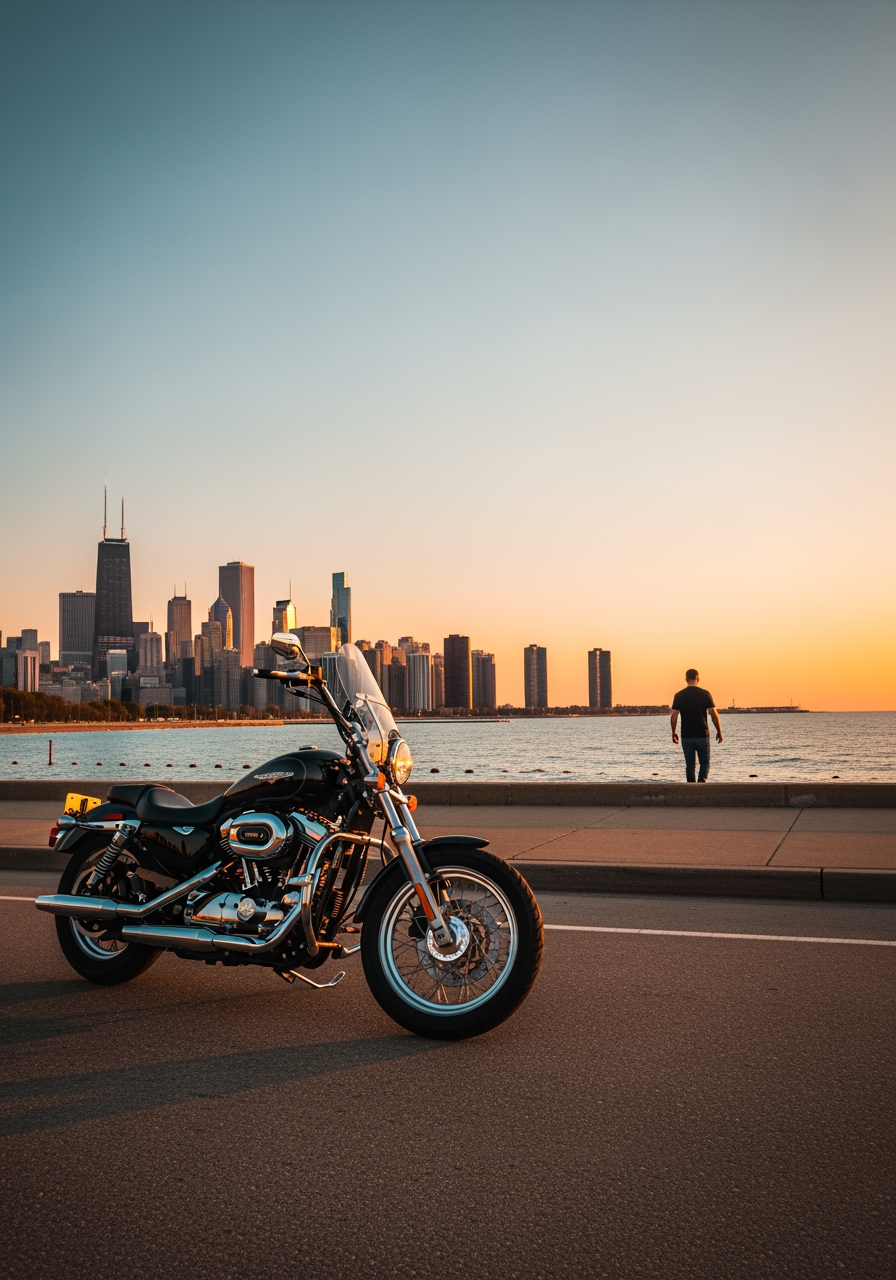
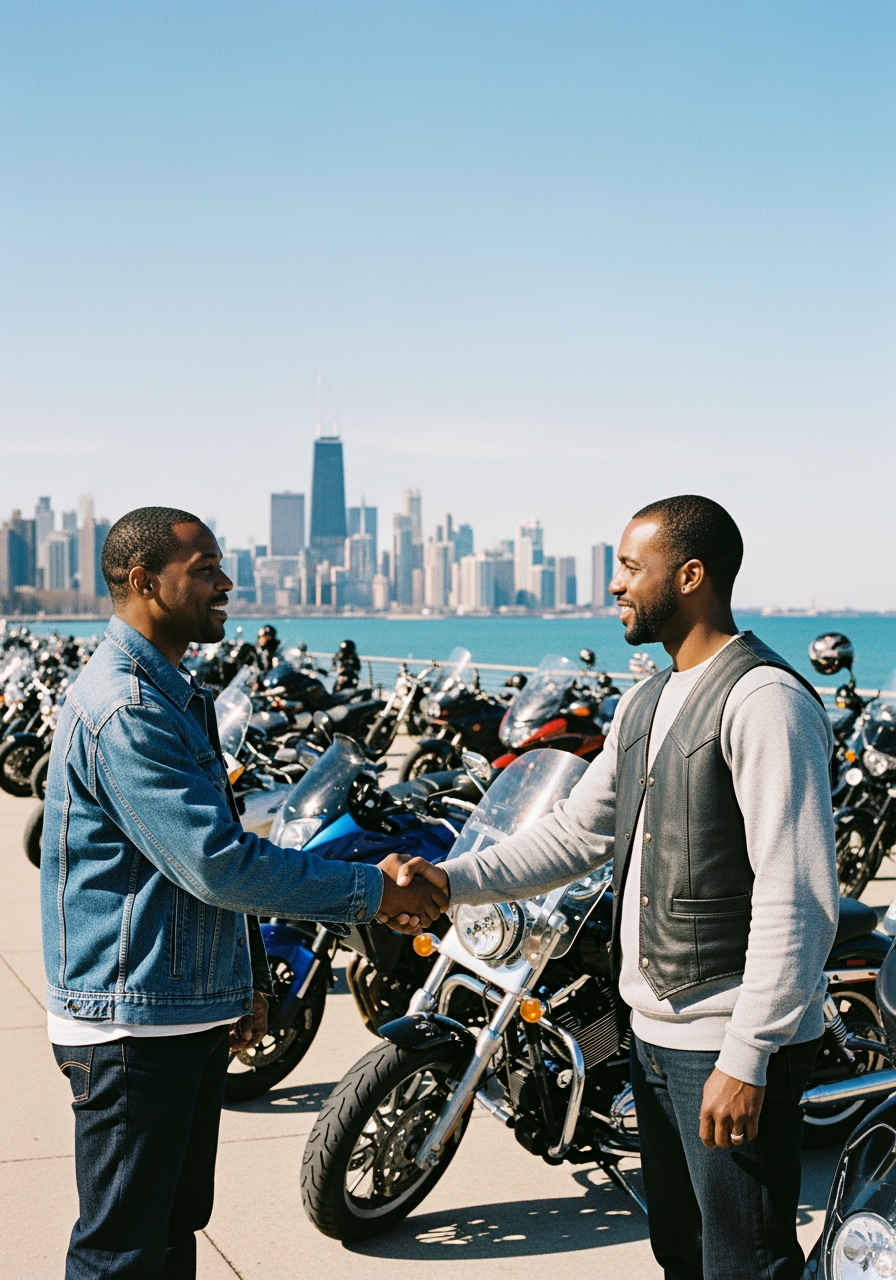
When bike nights come back, the lakefront lots near DuSable Lake Shore Drive fill up fast. Roll in early, meet the crew, plan the next run. Spring cannot come soon enough. #RideNationChicago #LakeShoreDrive #ChicagoRiders
Gear & New Iron
Chicago salt eats bikes. If you ride through a thaw, hose the underside and the chain down when you get home so the brine does not sit and corrode overnight. #RideNationChicago #MotorcycleMaintenance #ColdWeatherRiding
Safety & IL Law
UM coverage in Illinois cannot be waived, so you already have it. The real question is whether you have enough. Let us look at your policy. DDT Injury Team, 773-832-5109. #RideNationChicago #UninsuredMotorist #KnowYourRights
Engagement
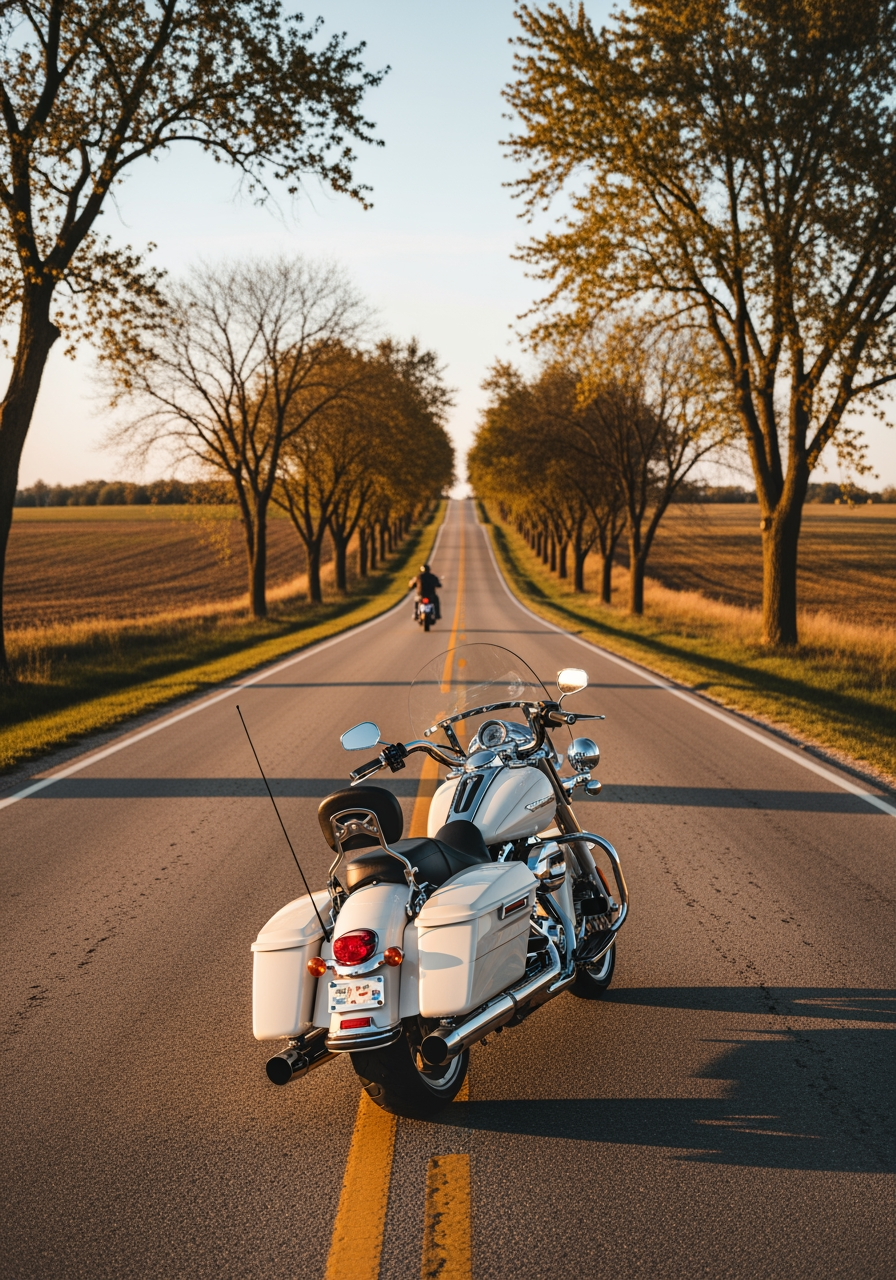
Favorite lunch stop for a group ride day. The kind of place that has parking for ten bikes. #RideNationChicago #ChicagoRiders #MotorcycleCommunity
Giveaway & Countdown
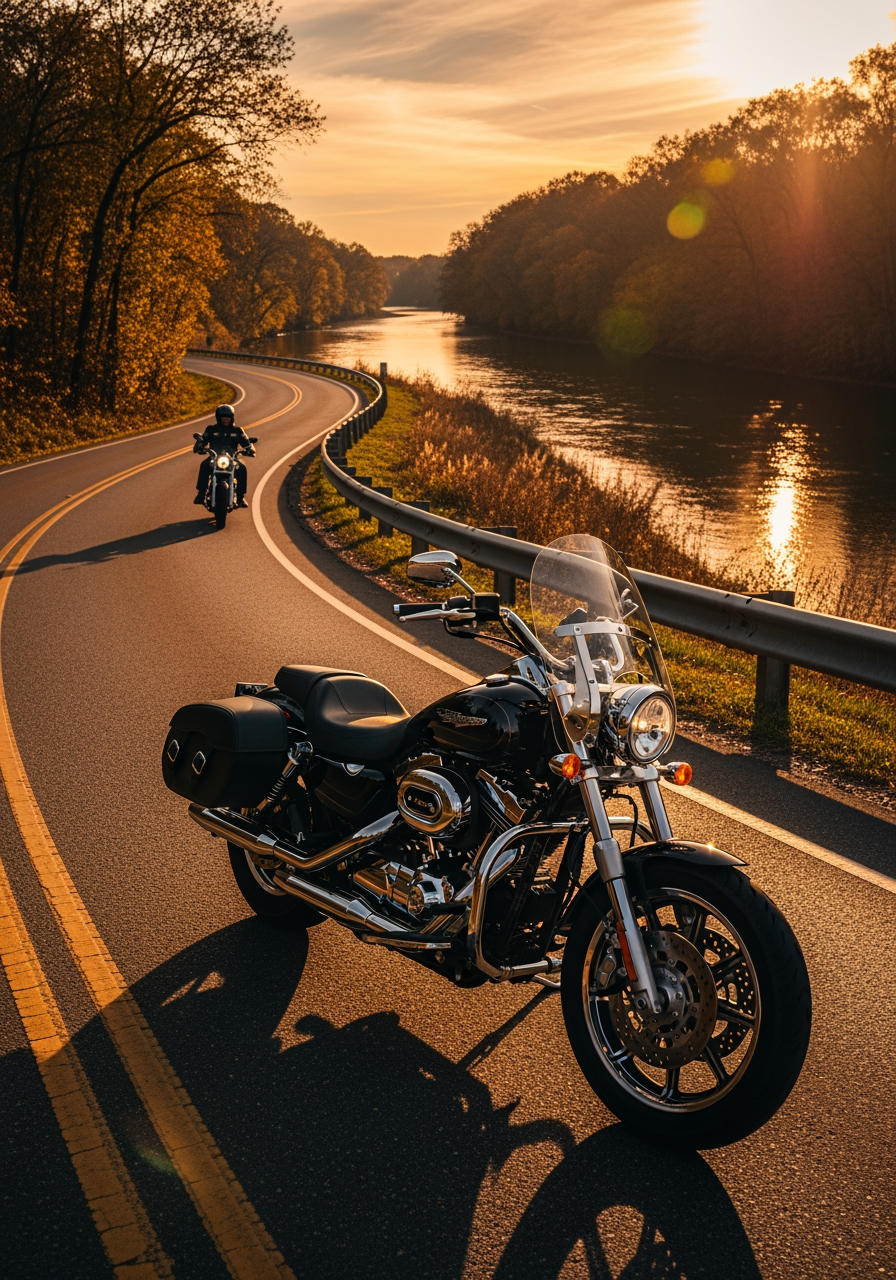
Keeping the bike safe and stored right this winter? Derek and the DDT Injury Team know riders, 773-832-5109. Enter the $20,000 giveaway, link in comments. #RideNationChicago #MotorcycleGiveaway #Chicagoland
Local Chicago & Rides
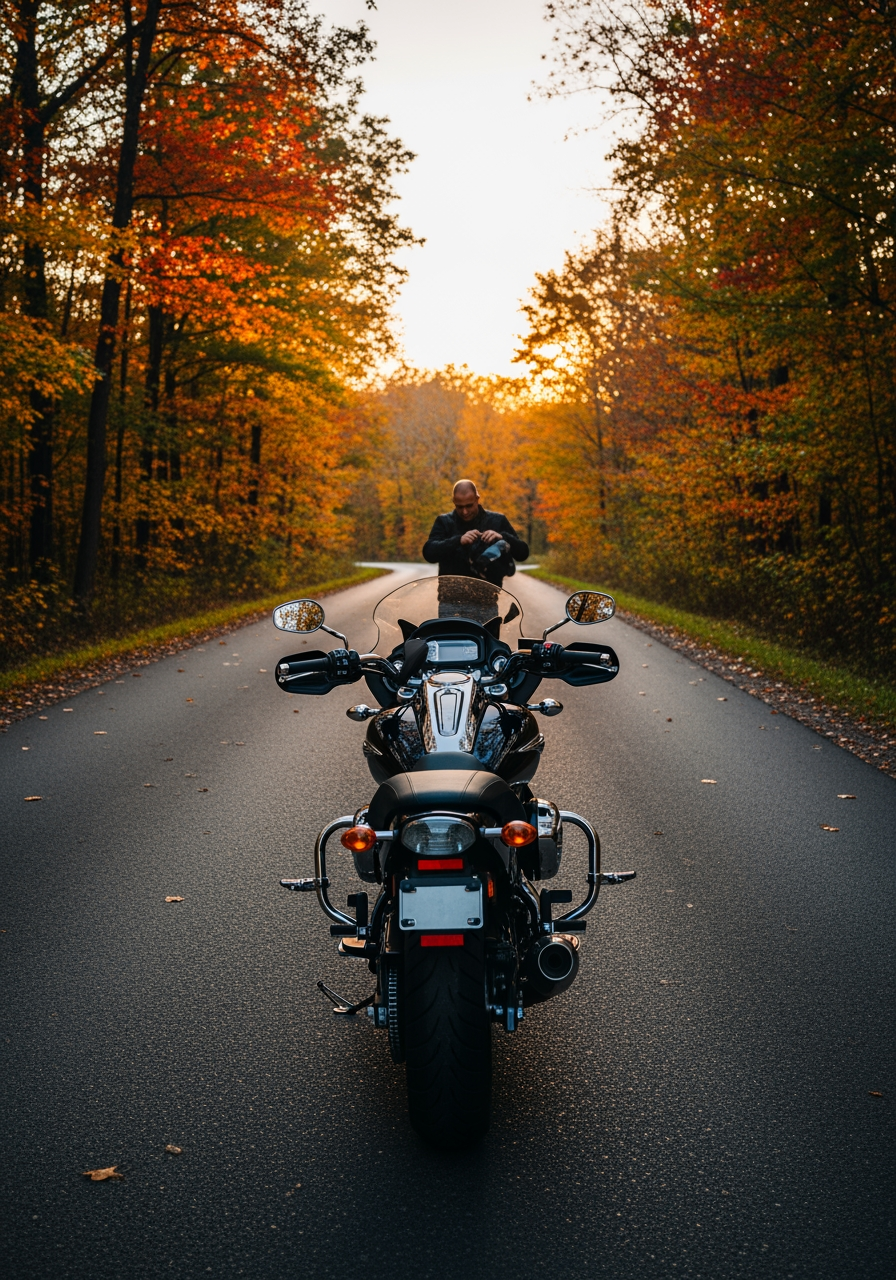
The Illinois River Road past Starved Rock hits different in fall color and spring green. Either way it belongs on your calendar. First warm weekend, we ride. #RideNationChicago #StarvedRock #MotorcycleRoads
Gear & New Iron
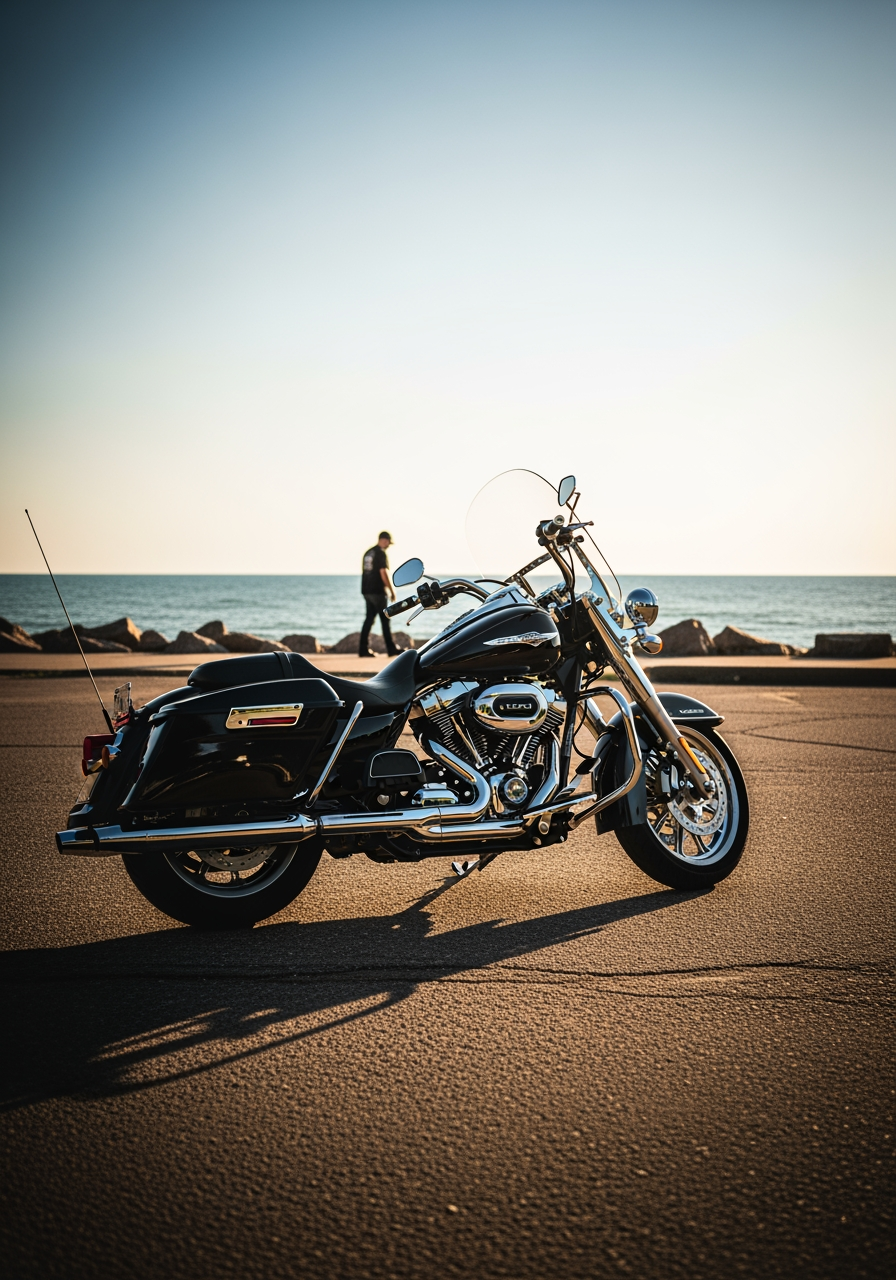
Salt hides in the spots you never look, around fasteners, behind the caliper, up in the frame. A gentle wash and a dry rag after a winter ride is cheap insurance against rust. #RideNationChicago #MotorcycleMaintenance #ChicagoRiders
Safety & IL Law
More than 50 percent at fault in Illinois means zero recovery. That line is why fault gets fought hard. Questions after a crash? Derek Martin, no cost to talk. 773-832-5109. #RideNationChicago #KnowYourRights #IllinoisLaw
Engagement
This or that: solo ride to clear your head or the whole crew rolling out together. #RideNationChicago #RideOrDie #BikerLife
Giveaway & Countdown
One name gets pulled December 10 and walks away with $20,000 toward any motorcycle. Make sure your name is in the hat. Entry link in the comments. #RideNationChicago #20kGiveaway #WinABike
Local Chicago & Rides
Galena weekend, who is in? Twisty northwest roads, a river town at the end, and the driftless hills all around. Spring plans start now. #RideNationChicago #IllinoisRiding #MotorcycleRoads
Gear & New Iron
Foggy visor ruining your commute? A cheap anti-fog insert or a pinlock stops it cold. Riding blind on a gray morning is not a look you want to test. #RideNationChicago #ColdWeatherRiding #GearUp
Safety & IL Law
Be seen at dusk. Loud gear, bright lights, and lane position beat blending in. Drivers hit what they never noticed. Hurt anyway? DDT Injury Team, 773-832-5109. #RideNationChicago #MotorcycleSafety #RiderSafety
Engagement
Fill in the blank: my winter countdown to first ride is currently at ________. #RideNationChicago #ChicagoMotorcycles #Chicagoland
Giveaway & Countdown
Why not you? You ride, you qualify, you enter free. $20,000 to one winner, drawn December 10. Link in comments. #RideNationChicago #BikersWin #ChicagoRiders
Local Chicago & Rides
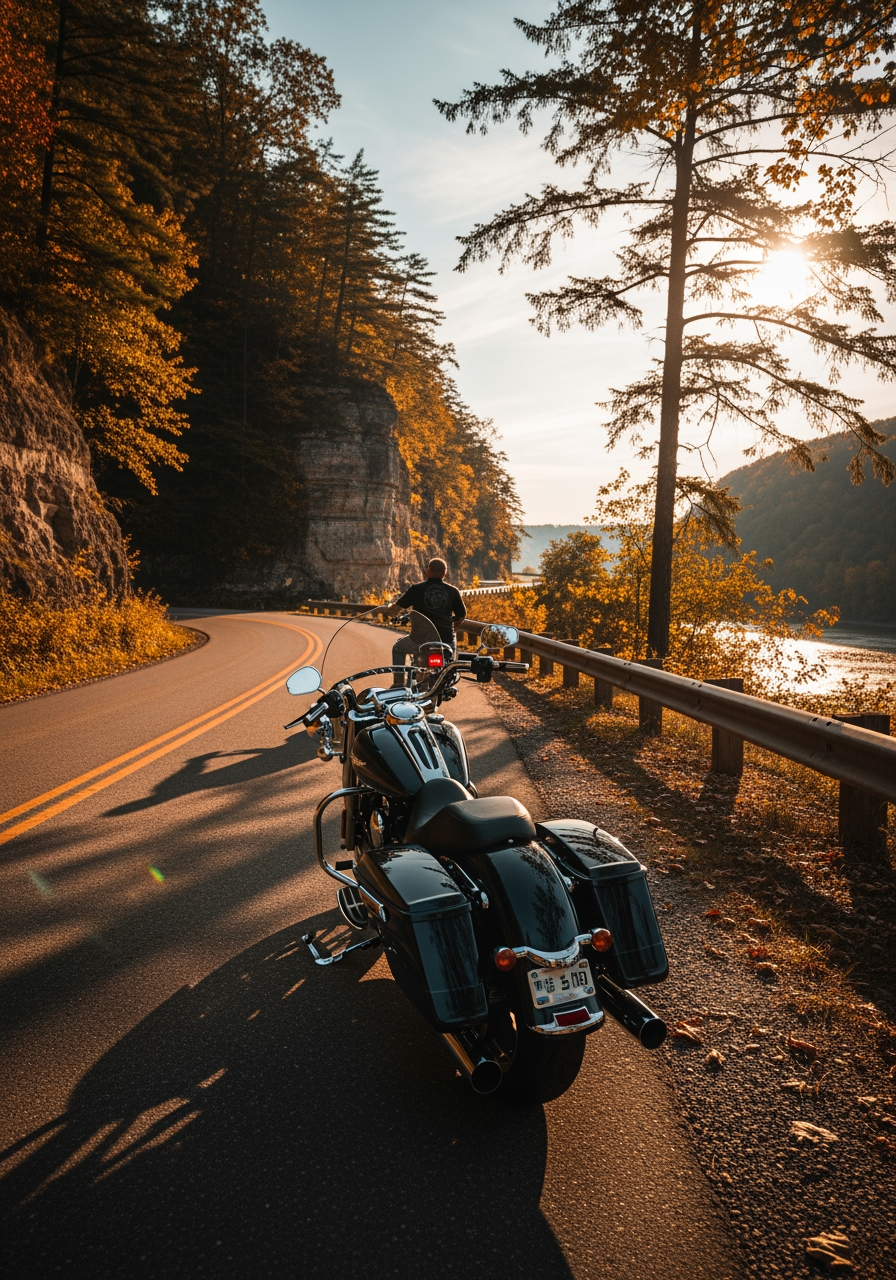
Sand and grit collect at intersections and on-ramps all winter and stick around into spring. Treat every stop line like it is loose. #RideNationChicago #Chicagoland #ChicagoRiders
Gear & New Iron
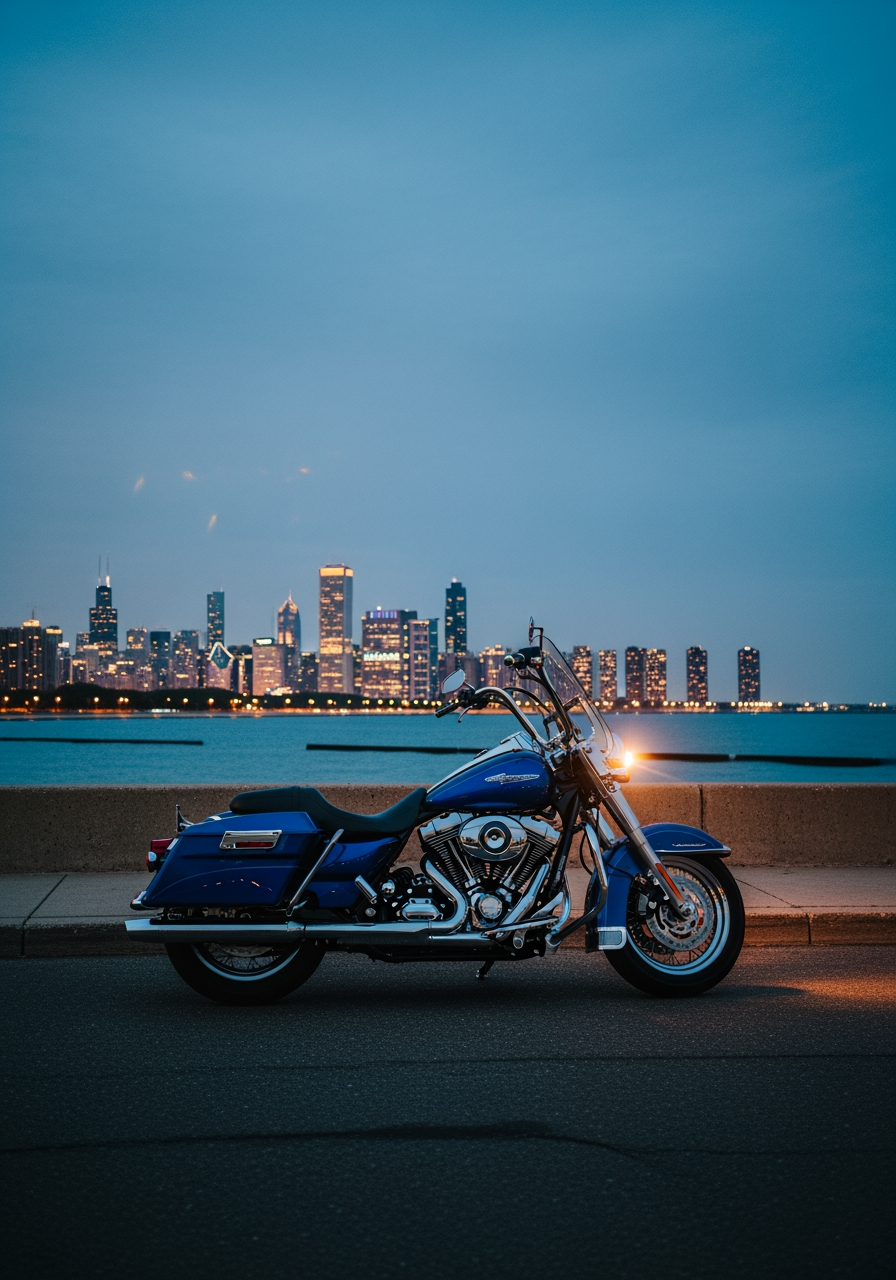
Crack your visor a hair at stops to clear the fog, and treat the inside with an anti-fog wipe before you leave. Clear vision is free once you set it up. #RideNationChicago #RiderTips #ColdWeatherRiding
Safety & IL Law
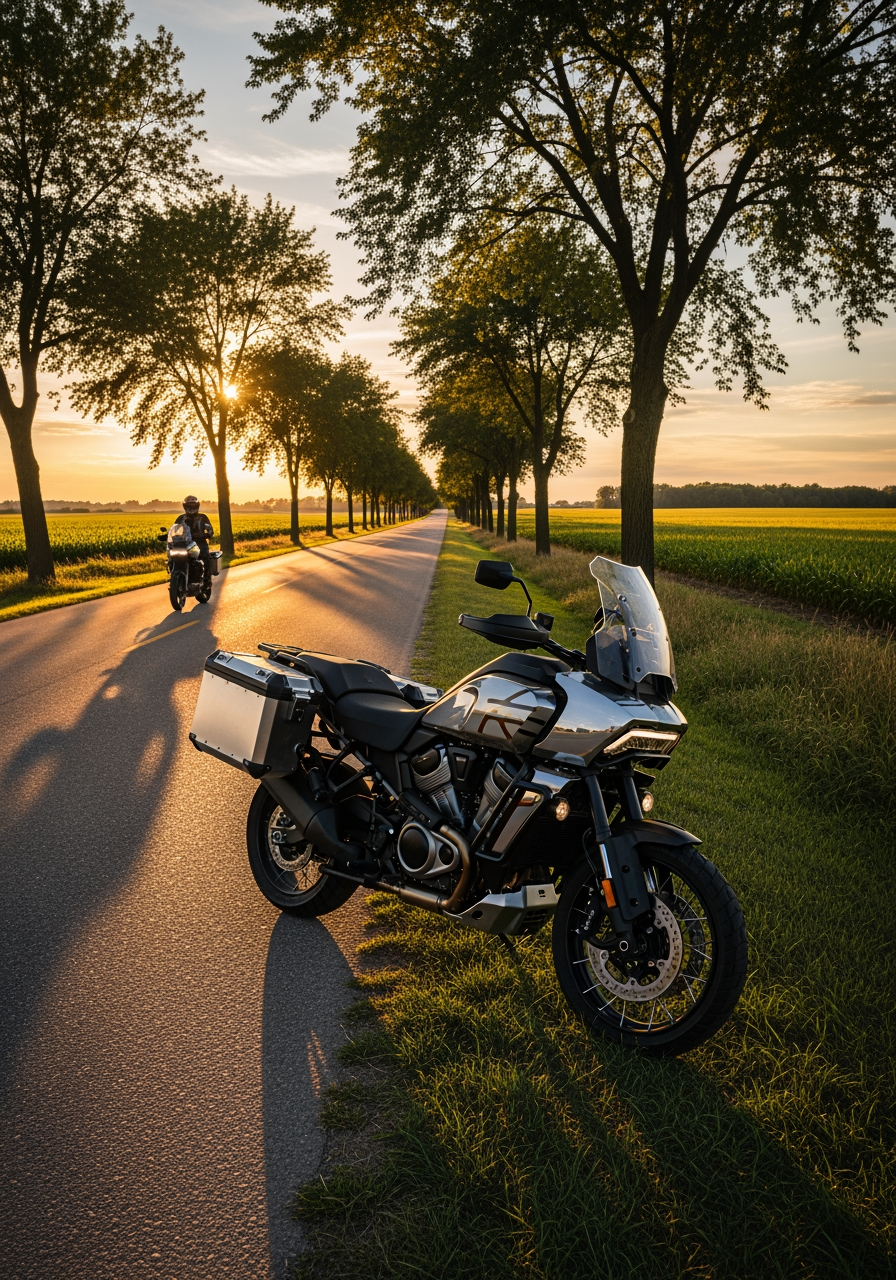
Lane splitting stays illegal in Illinois no matter how slow traffic crawls. Hold your spot and stay patient. Put down by a careless driver? Derek and the team, 773-832-5109. #RideNationChicago #IllinoisLaw #ChicagoRiders
Engagement
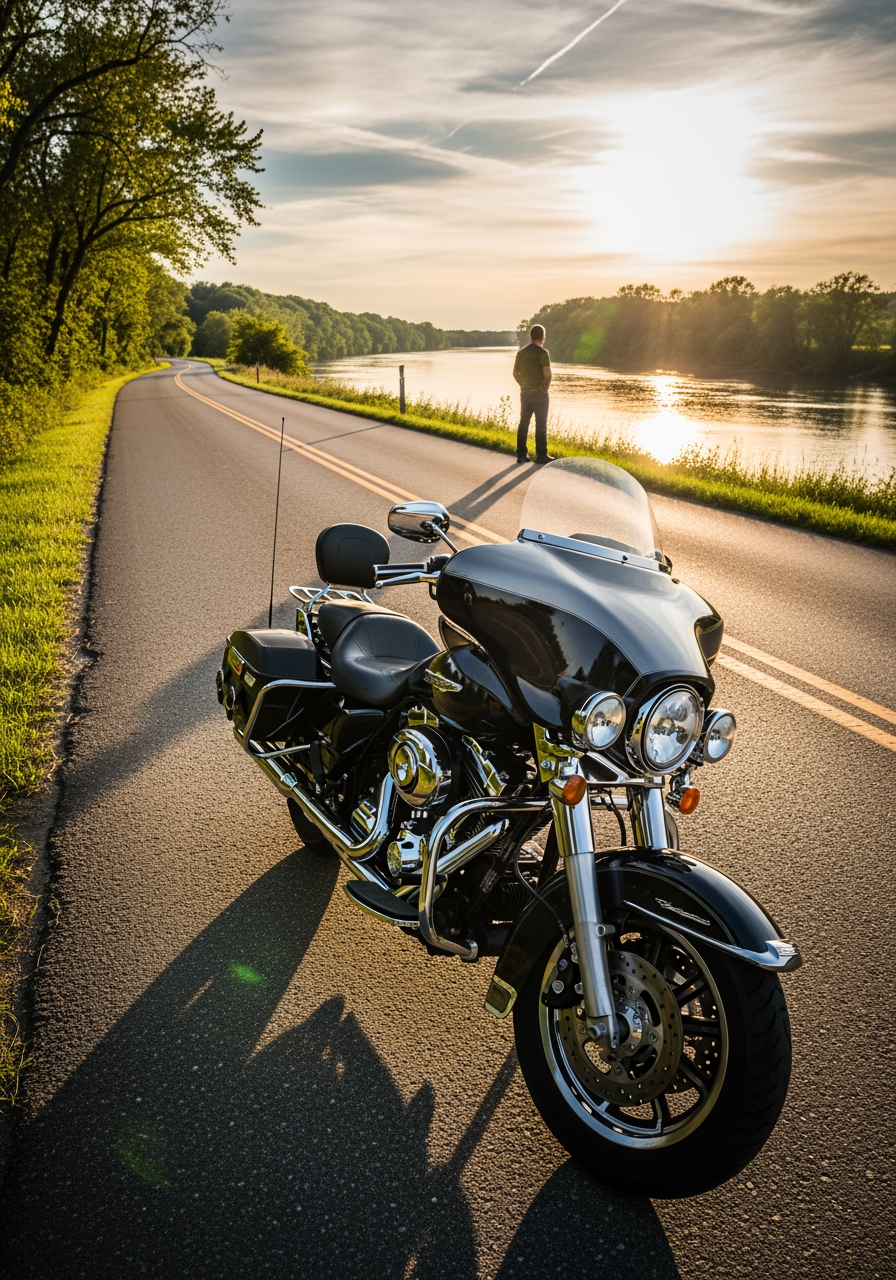
Poll: do you keep riding into November or is there a hard cutoff date. Tell us your line. #RideNationChicago #IllinoisRiders #TwoWheels
Giveaway & Countdown
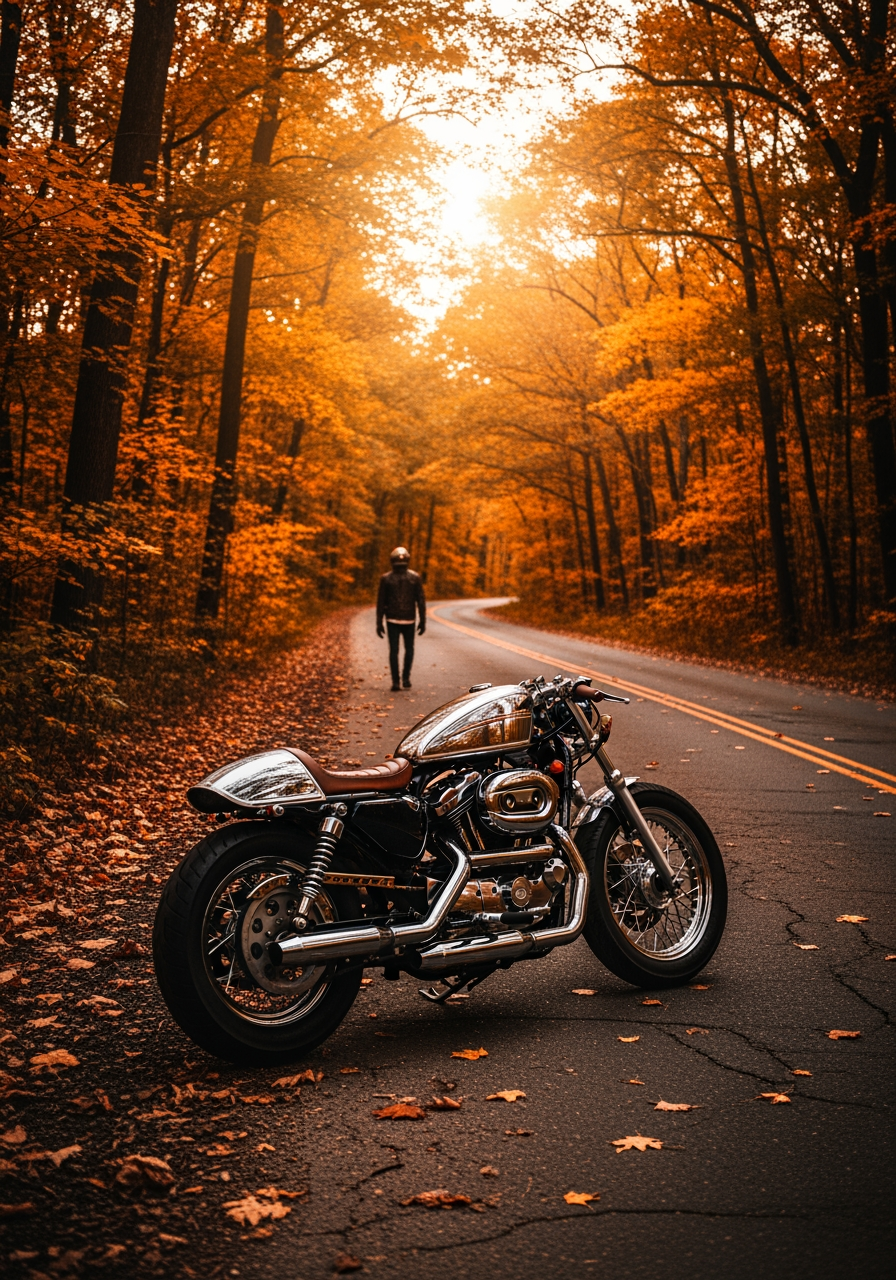
A month out and counting. The $20,000 bike giveaway winner gets drawn December 10, and late entries still count. Free to enter, link in comments. #RideNationChicago #20kGiveaway #Chicagoland
Local Chicago & Rides
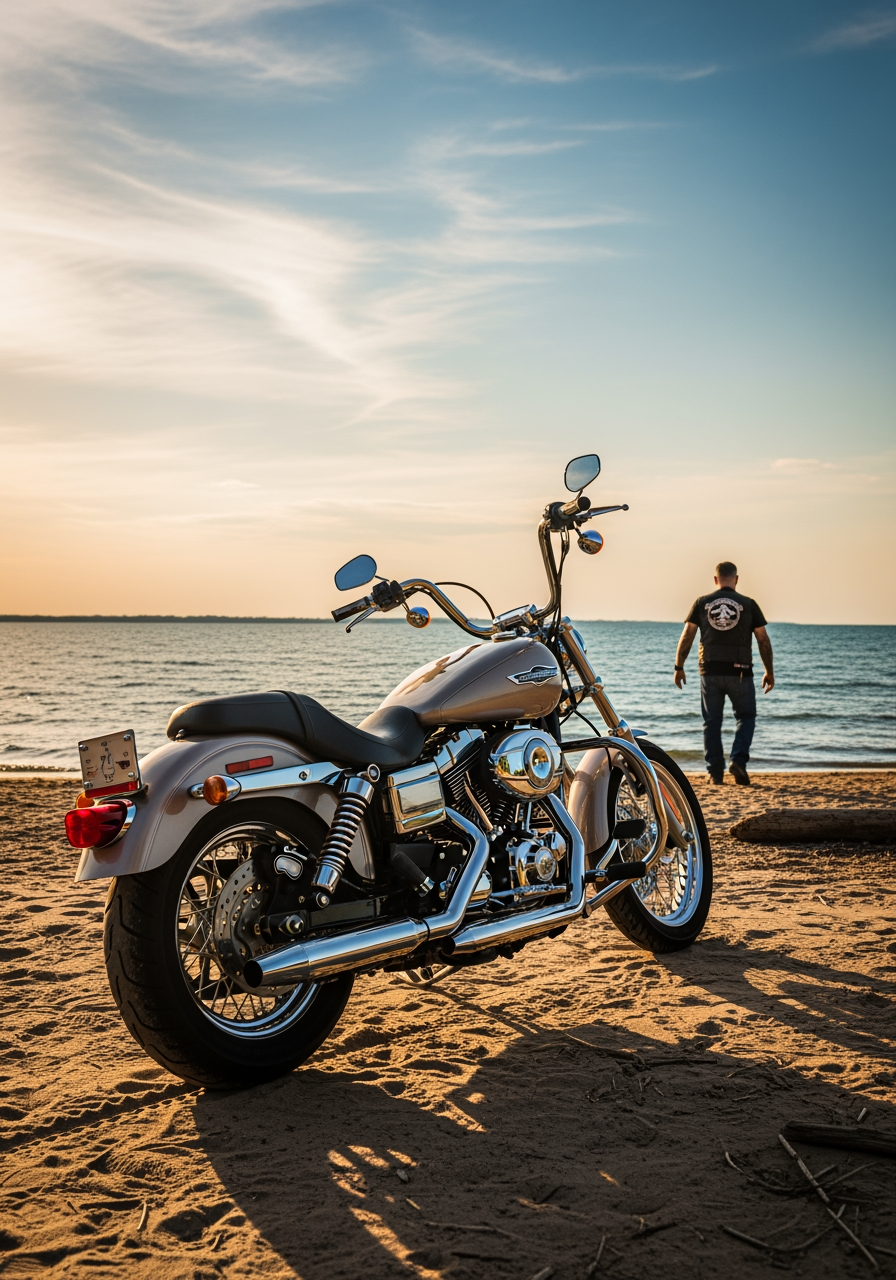
Route 66 kickoff ride is a rite of spring. Start downtown, take the old alignment out of the city, and let the road unwind. Mark it. #RideNationChicago #Route66 #ChicagoRiders
Gear & New Iron
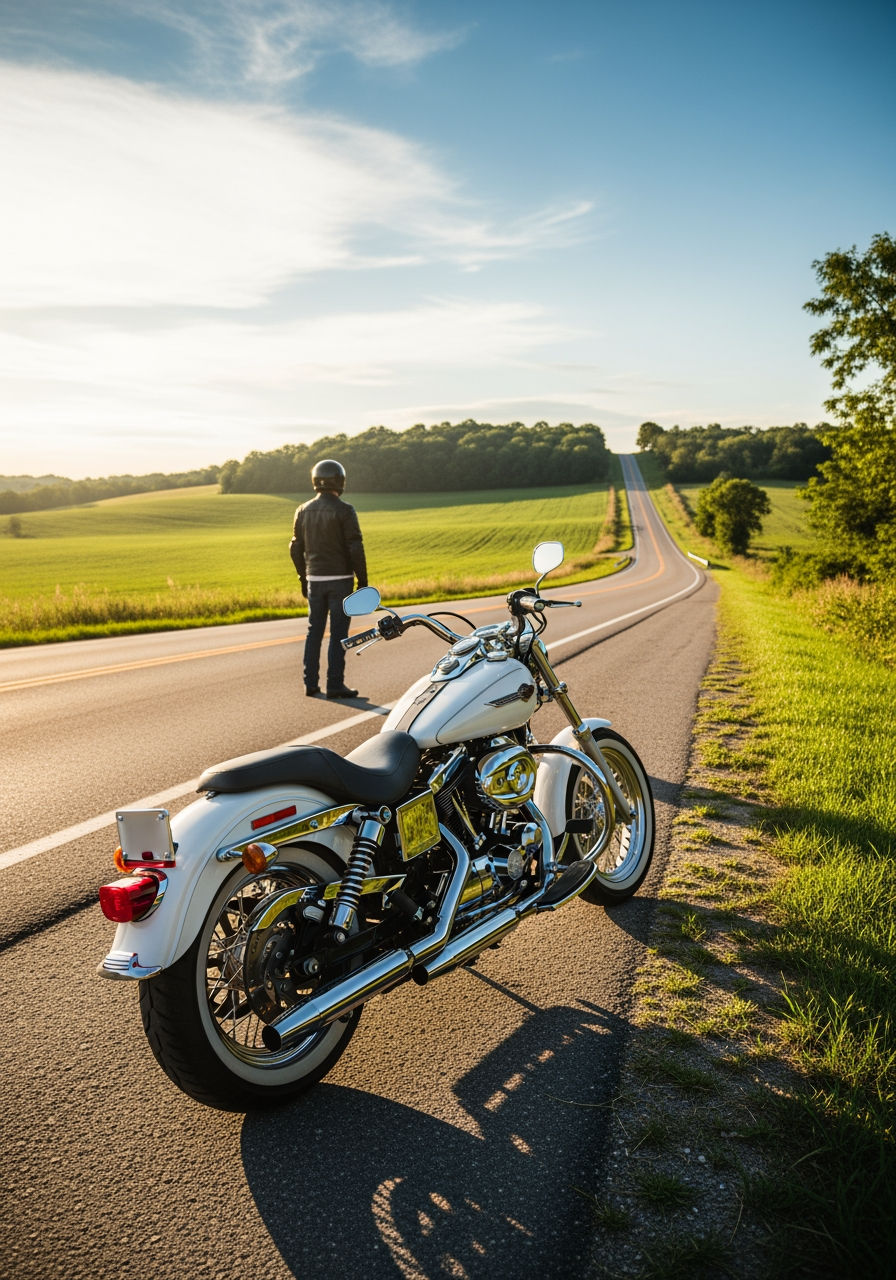
Winterizing is not just parking it. Top off the tank and add fuel stabilizer so the gas does not gum up your carbs or injectors over the cold months. #RideNationChicago #MotorcycleMaintenance #ColdWeatherRiding
Safety & IL Law
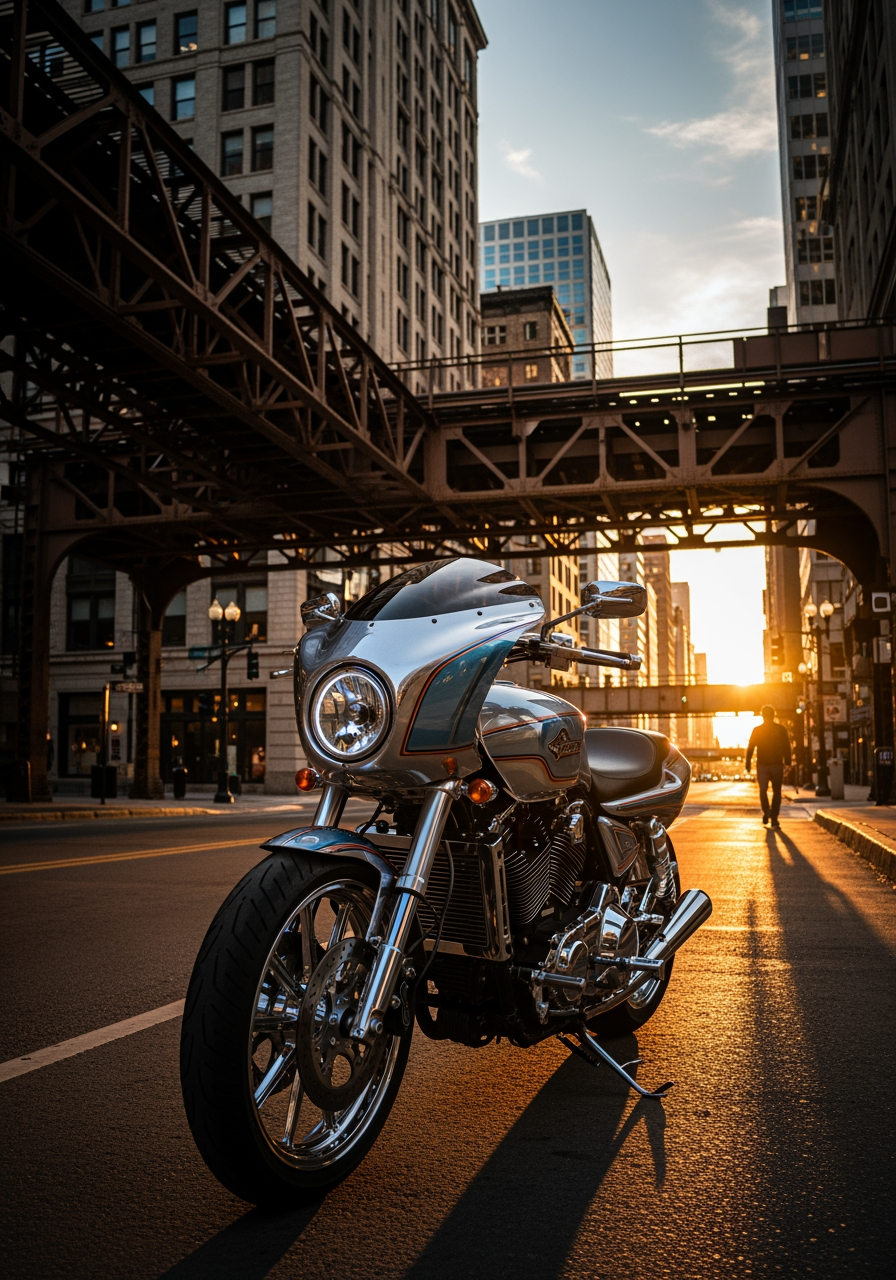
One hospital bill can swallow a 25/50 policy whole. That is why we tell riders to carry more when they can. Want a second look at your coverage? DDT Injury Team, 773-832-5109. #RideNationChicago #UninsuredMotorist #RiderSafety
Engagement
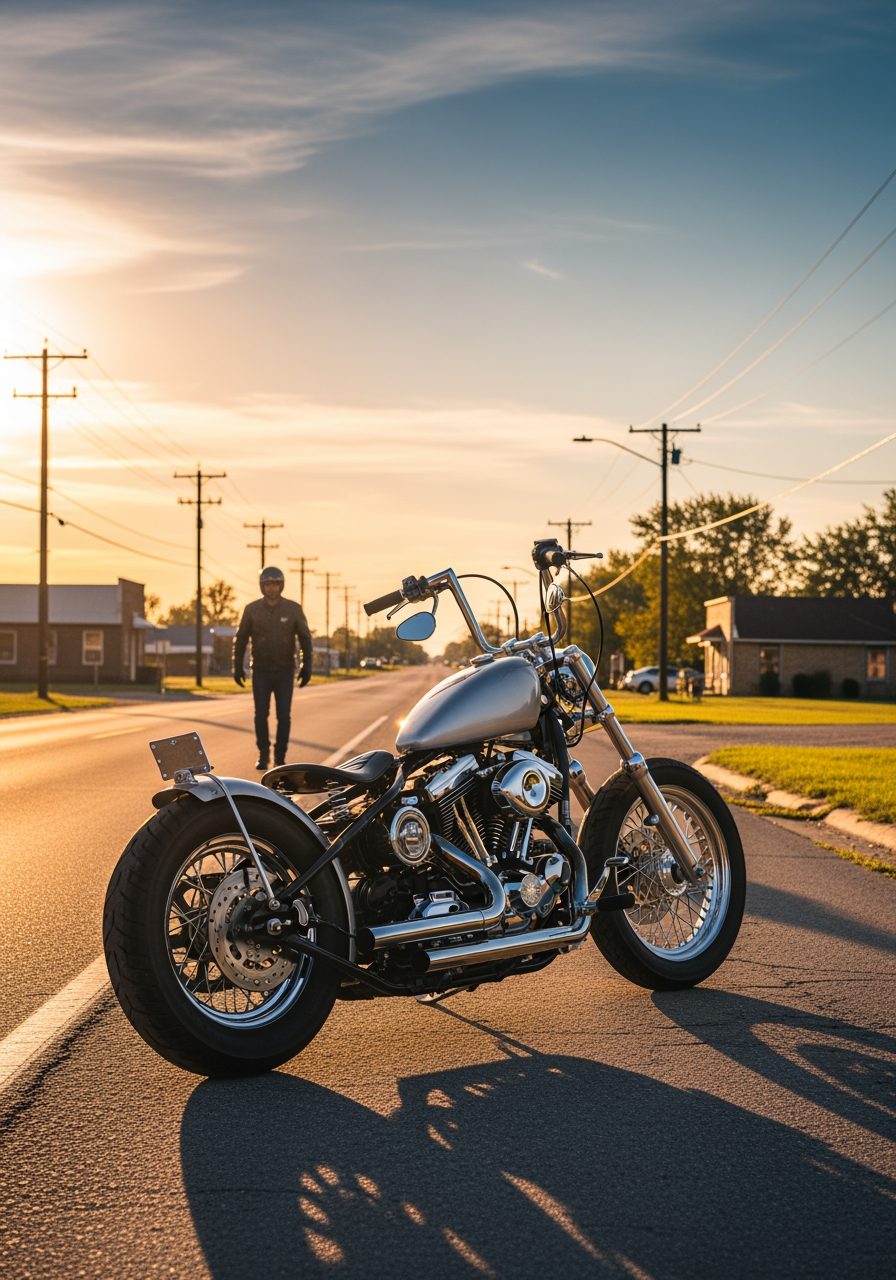
Memory lane: the ride that made you fall in love with two wheels. Take us there. #RideNationChicago #BikerLife #ChicagoRiders
Giveaway & Countdown
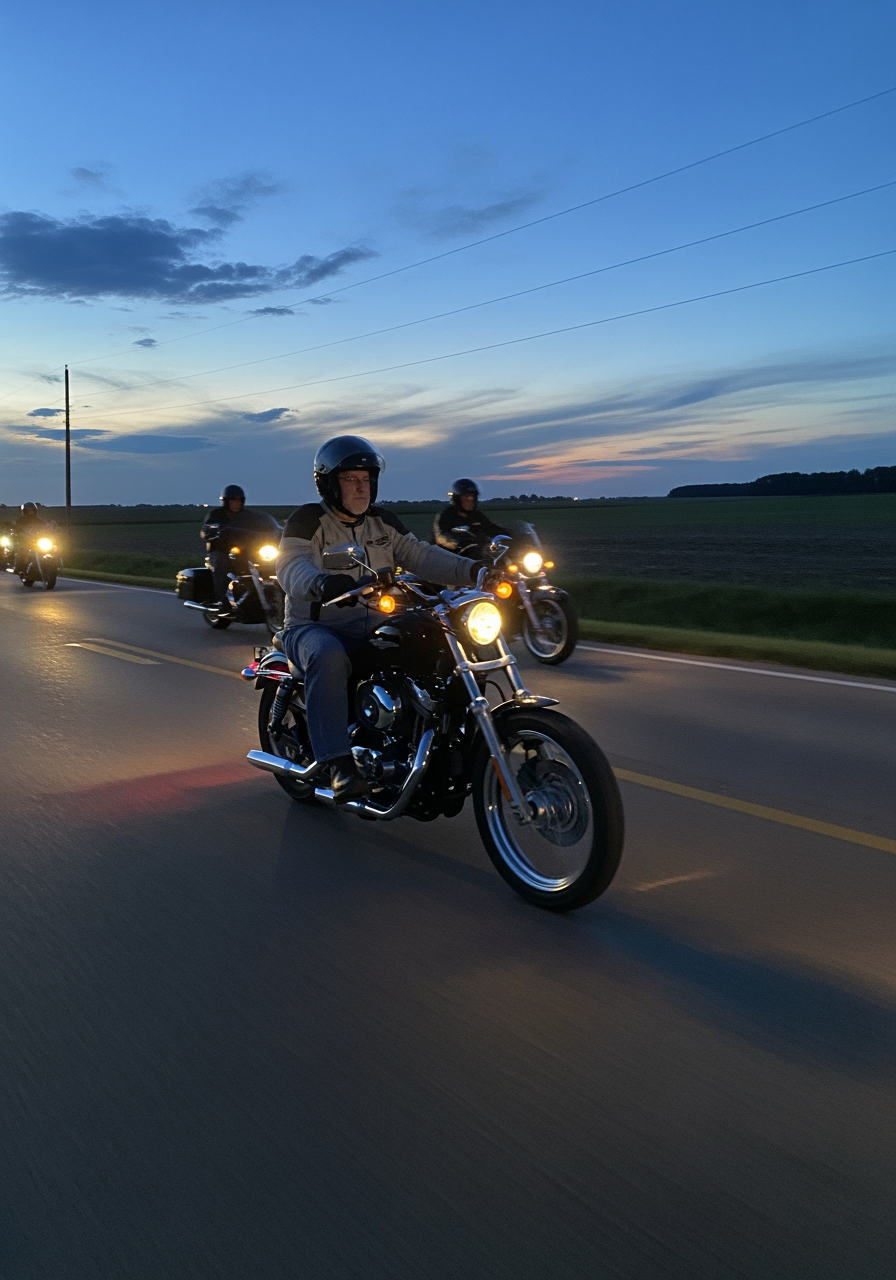
What would $20,000 build in your garage? Dream it, then enter for the shot to fund it. Drawn December 10, entry link in the comments. #RideNationChicago #MotorcycleGiveaway #WinABike
Local Chicago & Rides
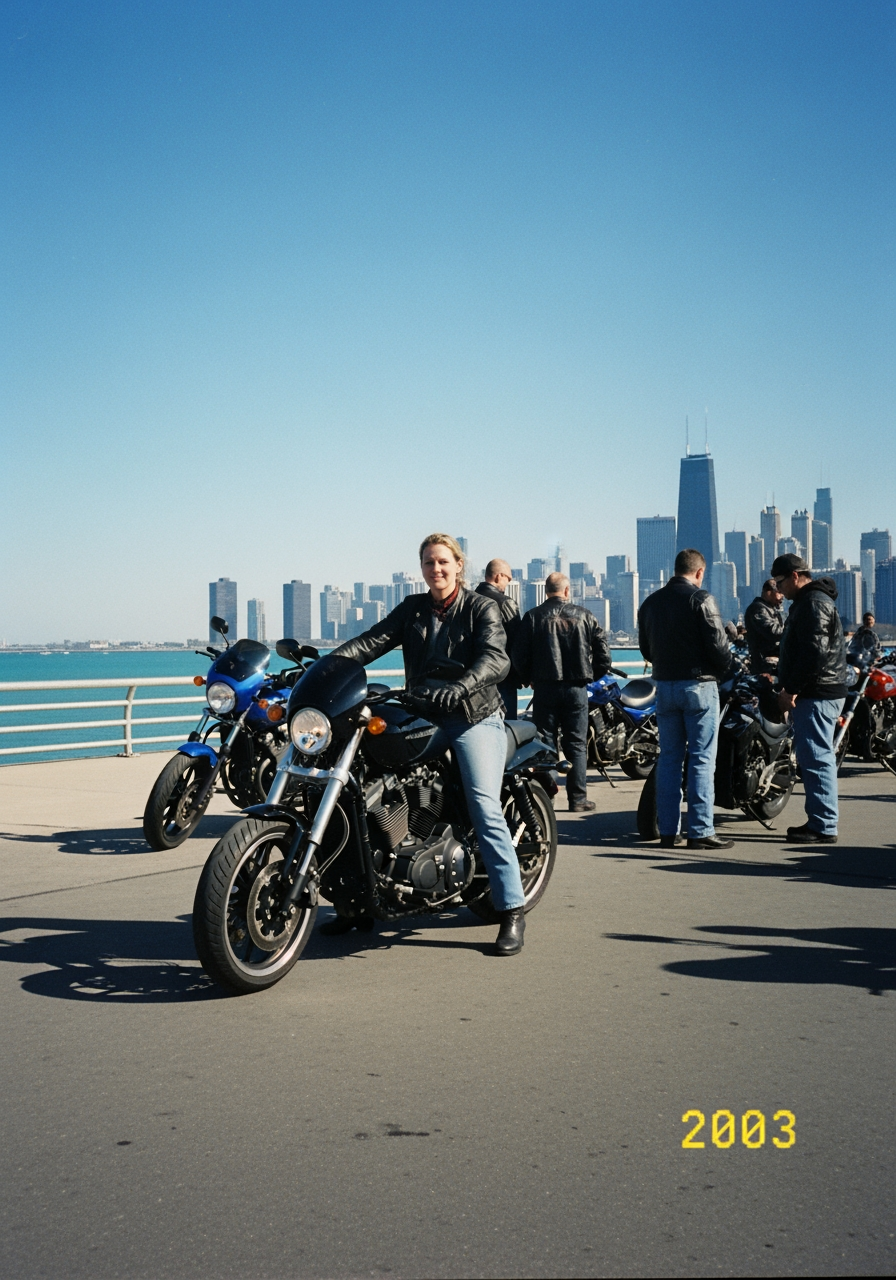
The Kettle Moraine loop makes a clean Saturday. Coffee in Chicago, hills in Wisconsin, home by dinner. Save it for the first solid forecast. #RideNationChicago #Chicagoland #MotorcycleRoads
Gear & New Iron
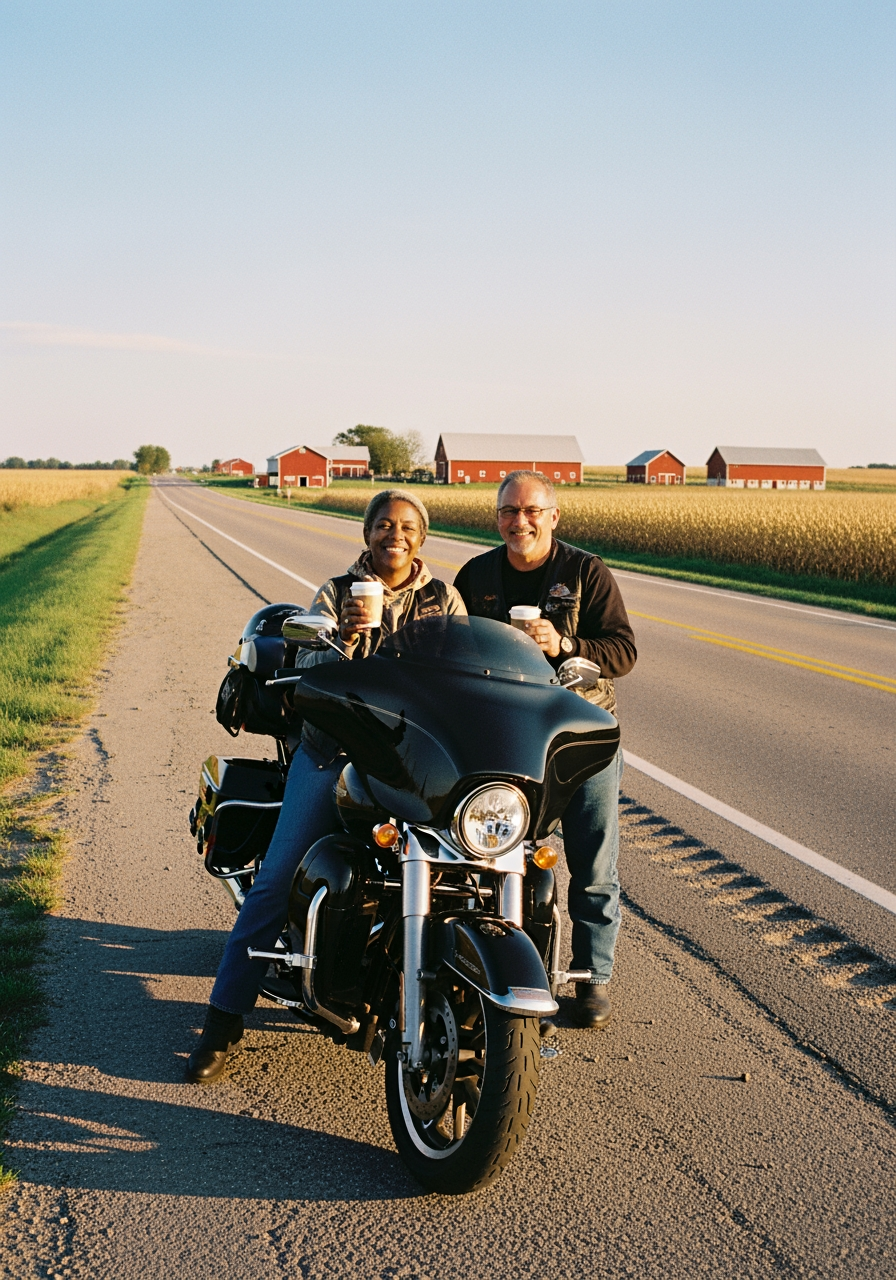
Fuel stabilizer is a few bucks that saves a spring headache. Run the bike a couple minutes after you add it so the treated fuel reaches the whole system before storage. #RideNationChicago #MotorcycleMaintenance #RiderTips
Safety & IL Law
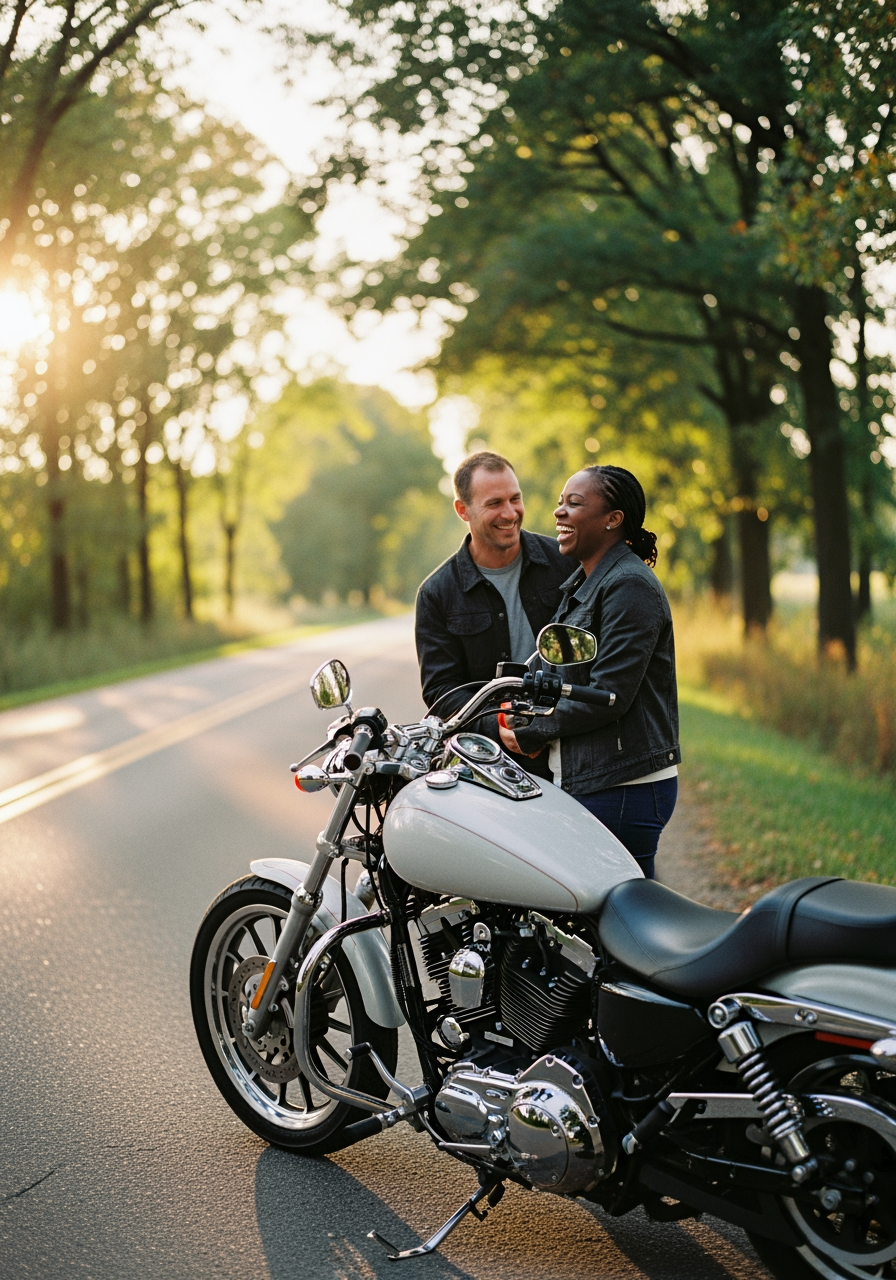
Cover your brakes near every intersection. Reaction time is the cheapest safety upgrade you own. Ride ready. Questions after a wreck? Derek Martin and the DDT Injury Team, 773-832-5109. #RideNationChicago #RiderSafety #MotorcycleSafety
Engagement
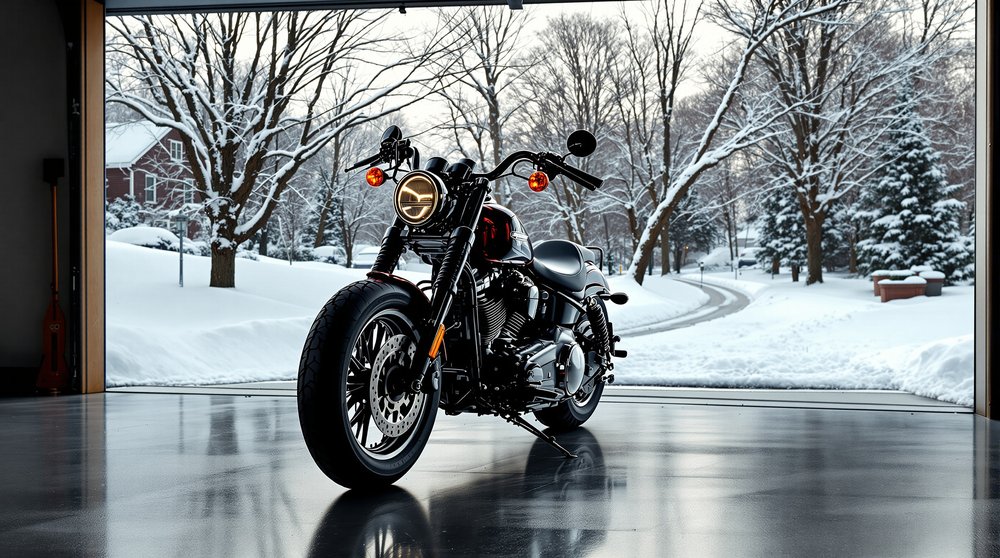
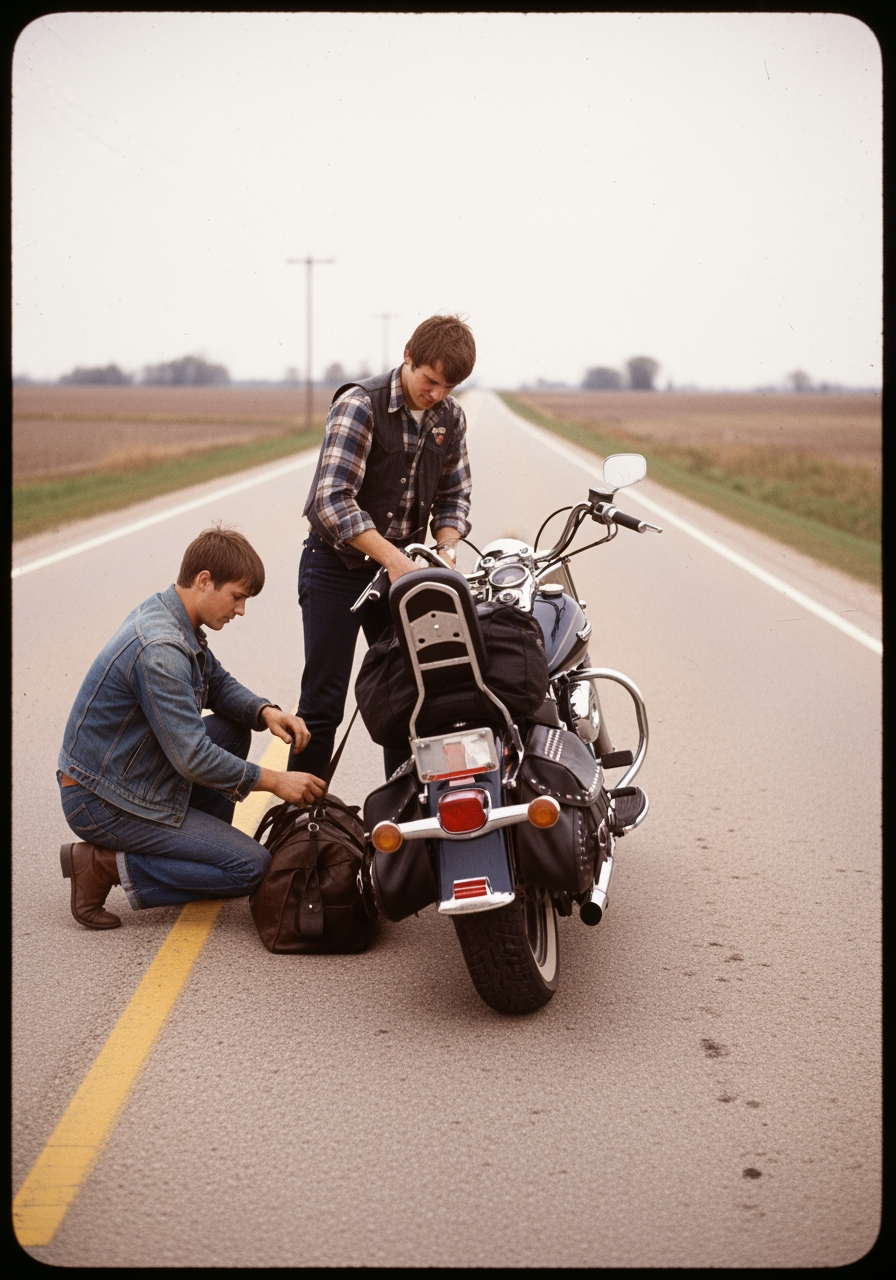
Caption this: garage door open, space heater on, wrench in hand, snow outside. #RideNationChicago #ChicagoMotorcycles #MotorcycleCommunity
Giveaway & Countdown
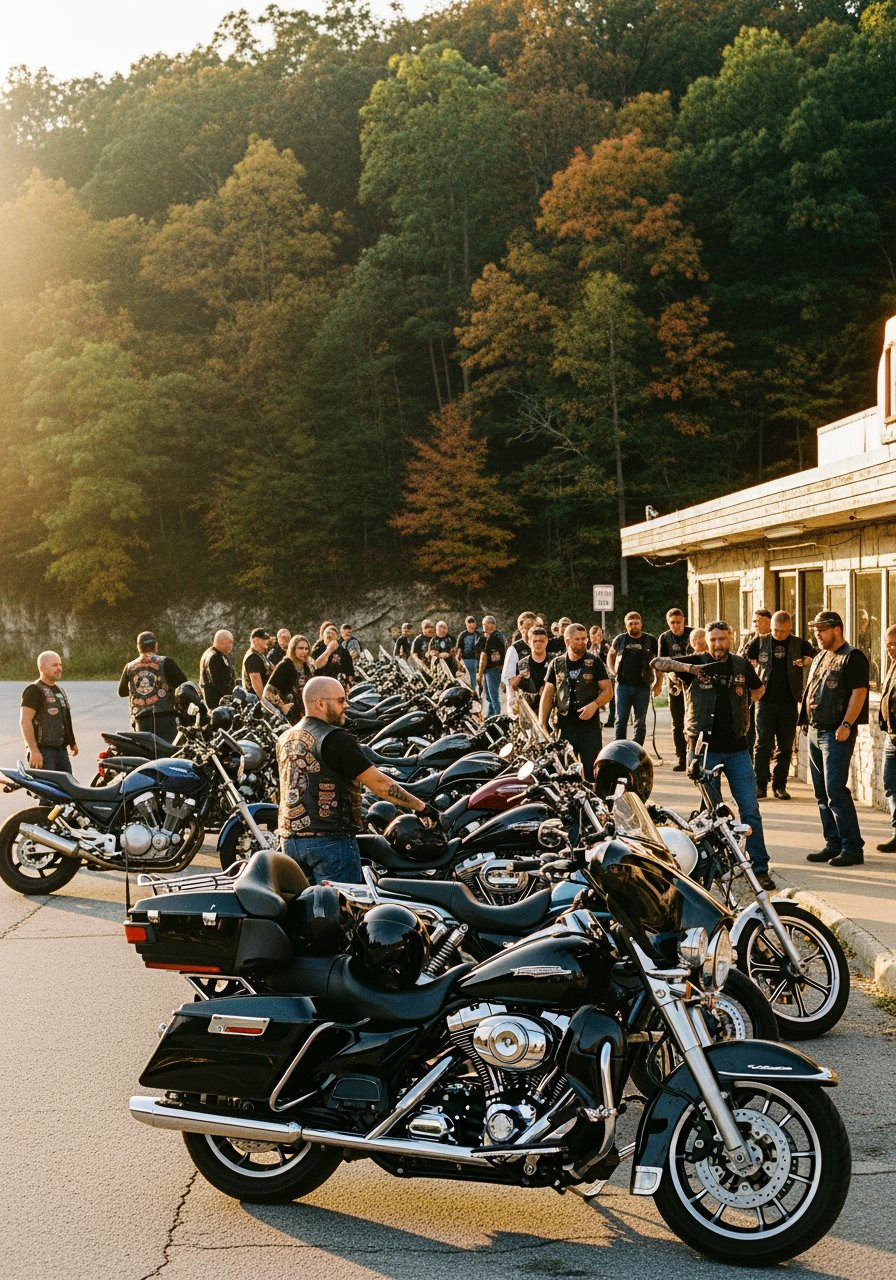
Riding questions or a rough winter on the road? Derek and the DDT Injury Team, 773-832-5109. Also, the $20,000 giveaway closes soon, link in comments. #RideNationChicago #BikersWin #ChicagoRiders
Local Chicago & Rides
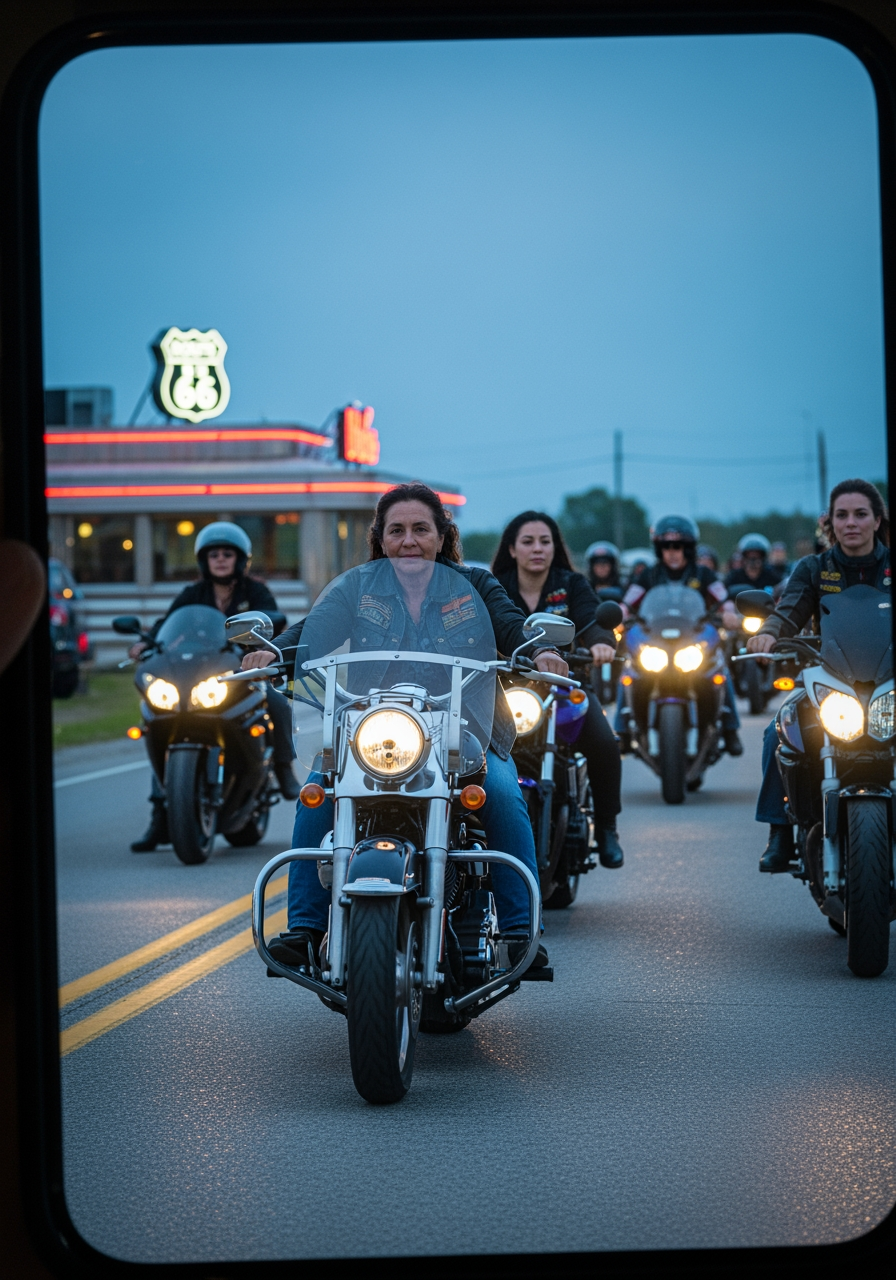
Frost heaves lift the pavement on the rural county roads out by the Kankakee and the Fox. That smooth stretch can pitch you sideways in spring. Stay loose on the bars. #RideNationChicago #FoxRiver #IllinoisRiding
Gear & New Iron
Store your bike off cold concrete if you can. A piece of cardboard or a mat under the tires keeps them from flat-spotting and slows the chill soaking up from the floor. #RideNationChicago #MotorcycleMaintenance #ColdWeatherRiding
Safety & IL Law
Illinois lets you ride without a helmet, and that choice cannot be used against you for a head injury claim. Eyes still need protection though. Hurt in a crash? DDT Injury Team, 773-832-5109. #RideNationChicago #IllinoisLaw #MotorcycleSafety
Engagement
Would you rather ride the same favorite loop every weekend or a brand new road every single time. #RideNationChicago #TwoWheels #Chicagoland
Giveaway & Countdown
Two weeks left to get your name in for $20,000 toward any bike you want. Free to enter, drawn December 10. Entry link in the comments. #RideNationChicago #20kGiveaway #FreeToEnter
Local Chicago & Rides
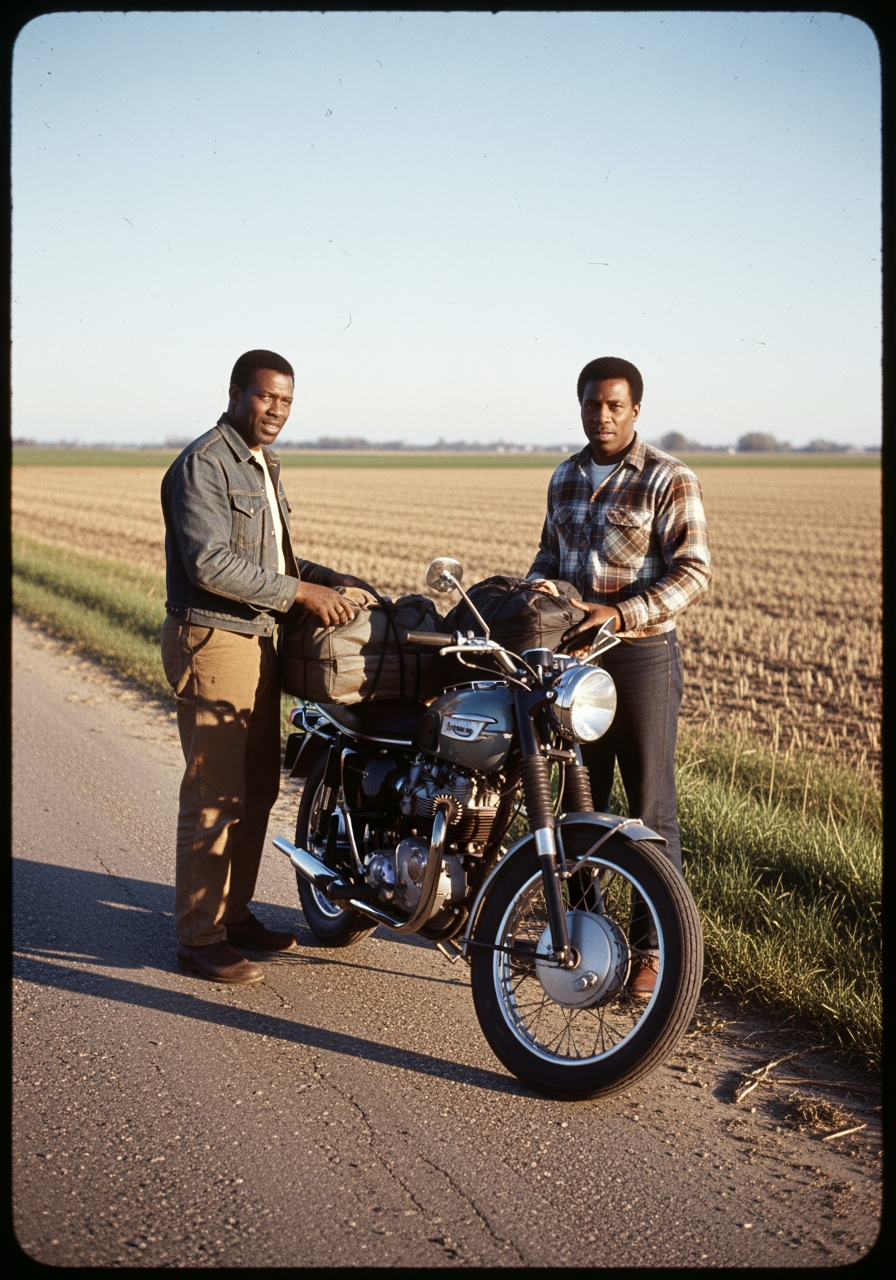
North Shore coffee run: Sheridan Road up, breakfast on the lake, and back before the afternoon wind. A perfect first ride when spring shows up. #RideNationChicago #NorthShore #LakeShoreDrive
Gear & New Iron
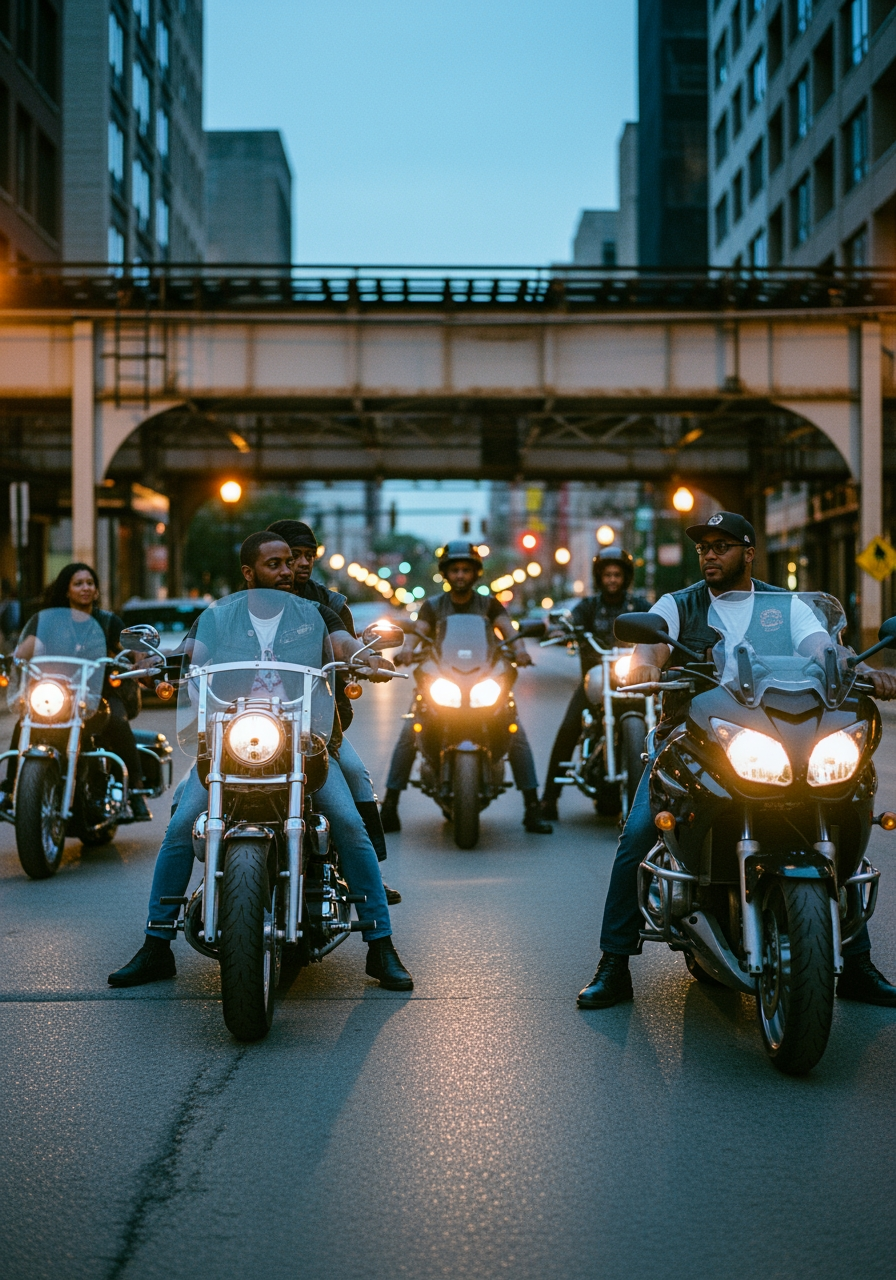
Cover it, but breathe it. A cheap plastic tarp traps moisture and grows rust. A proper vented cover keeps dust off while letting the bike dry out under there. #RideNationChicago #MotorcycleMaintenance #RiderTips
Safety & IL Law
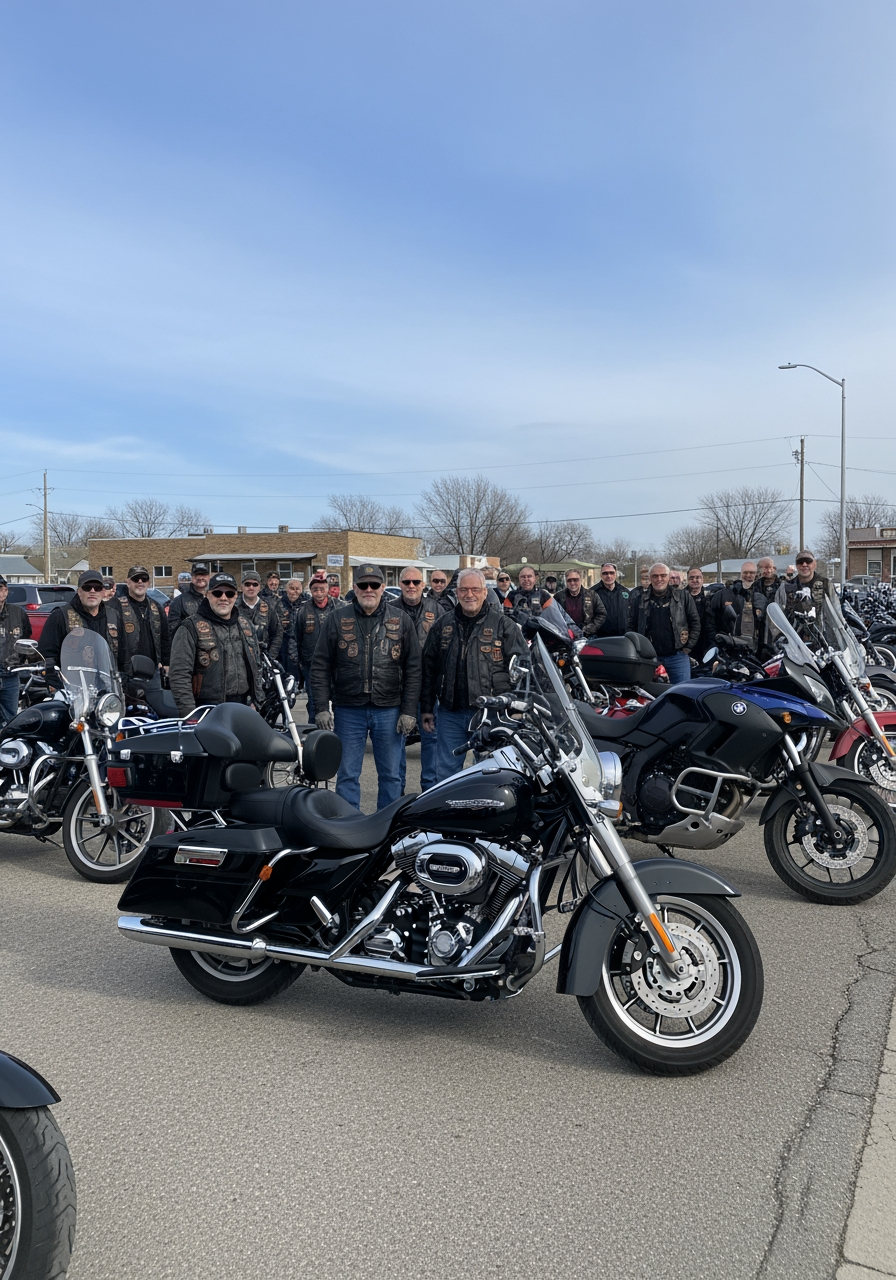
The injury clock starts the day of the crash, and in Illinois it usually runs two years. Talk to someone before it winds down. Derek and the team, no cost to talk. 773-832-5109. #RideNationChicago #KnowYourRights #IllinoisLaw
Engagement
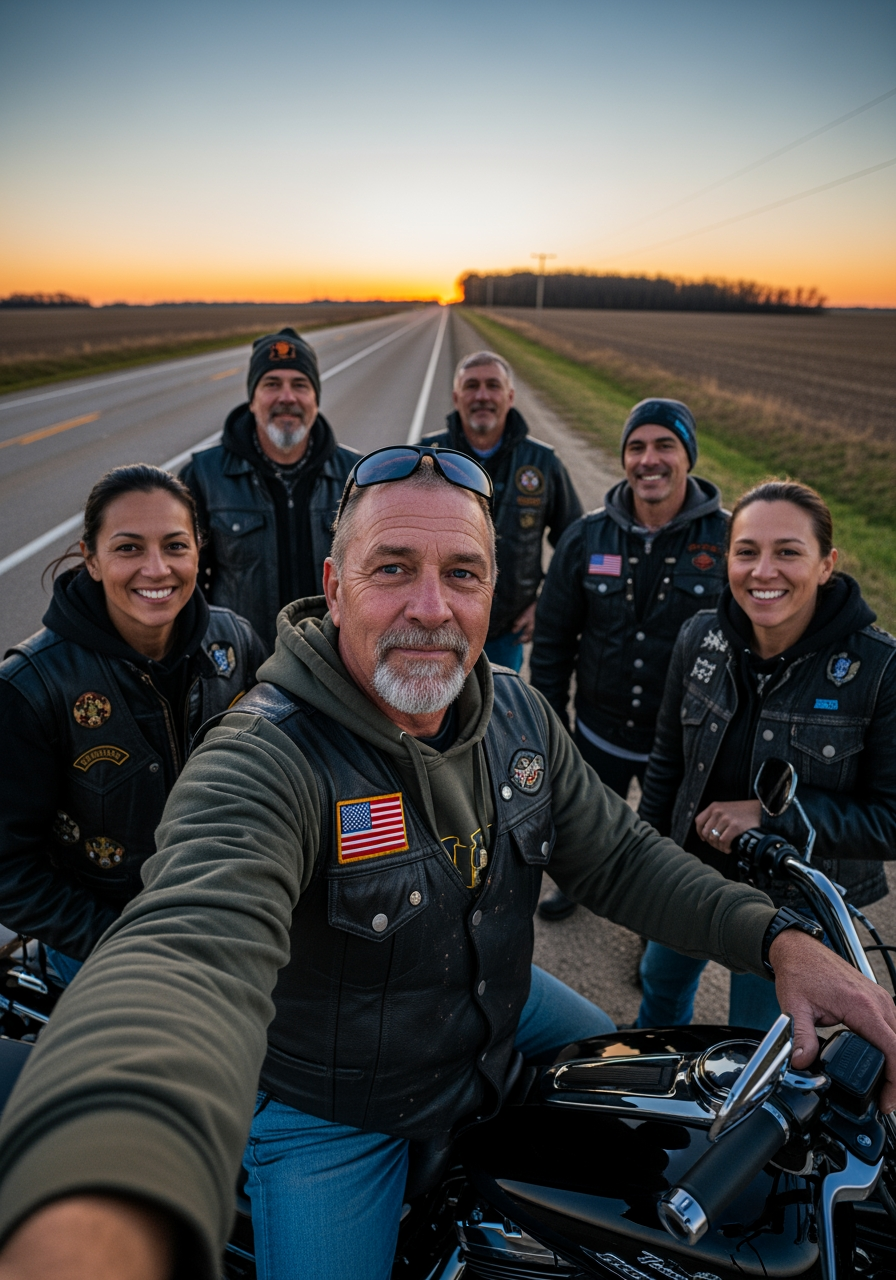
Tag the newest rider in your circle so the whole community can welcome them. #RideNationChicago #RideOrDie #ChicagoRiders
Giveaway & Countdown
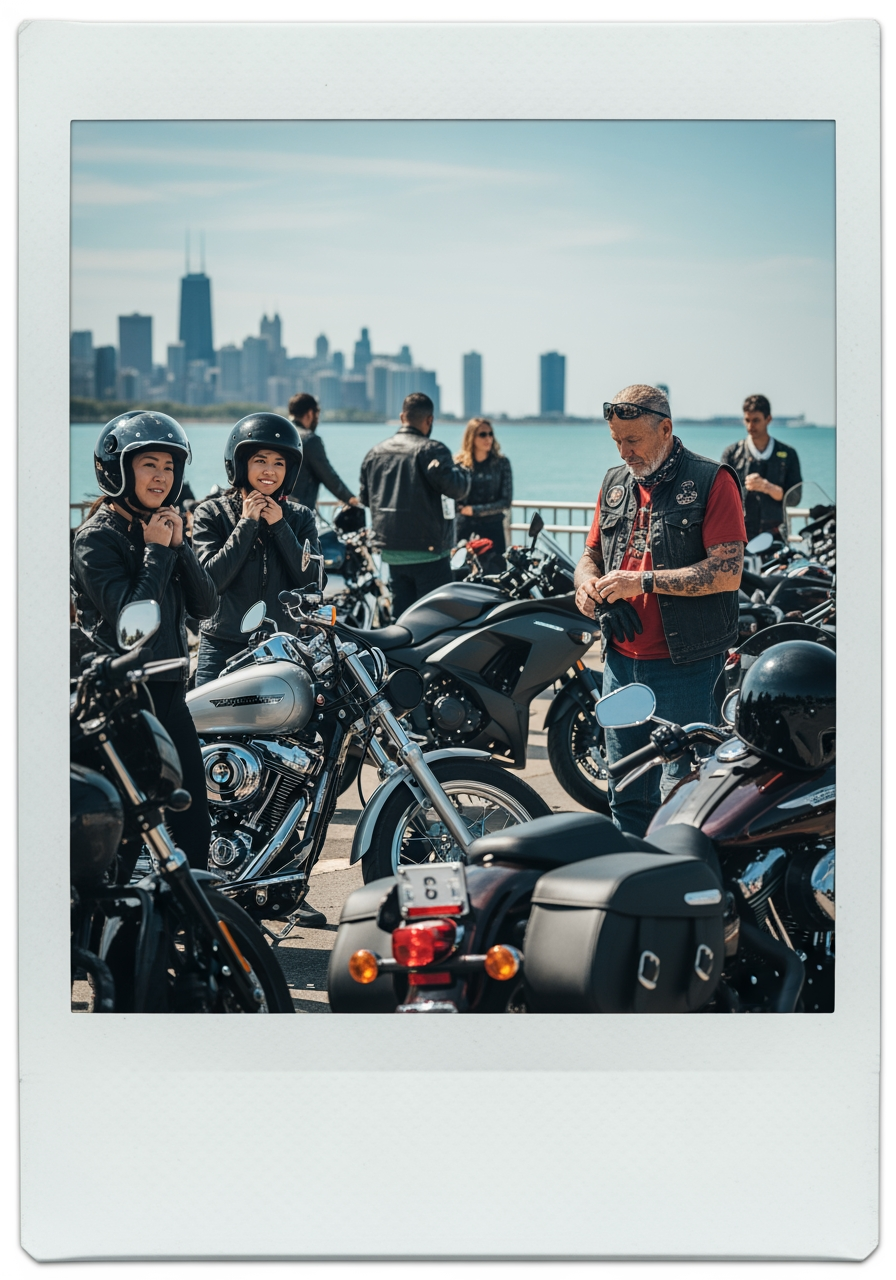
Tag a friend before this closes. One winner, $20,000, any motorcycle, drawn December 10. Free to enter, link in comments. #RideNationChicago #MotorcycleGiveaway #Chicagoland
Local Chicago & Rides
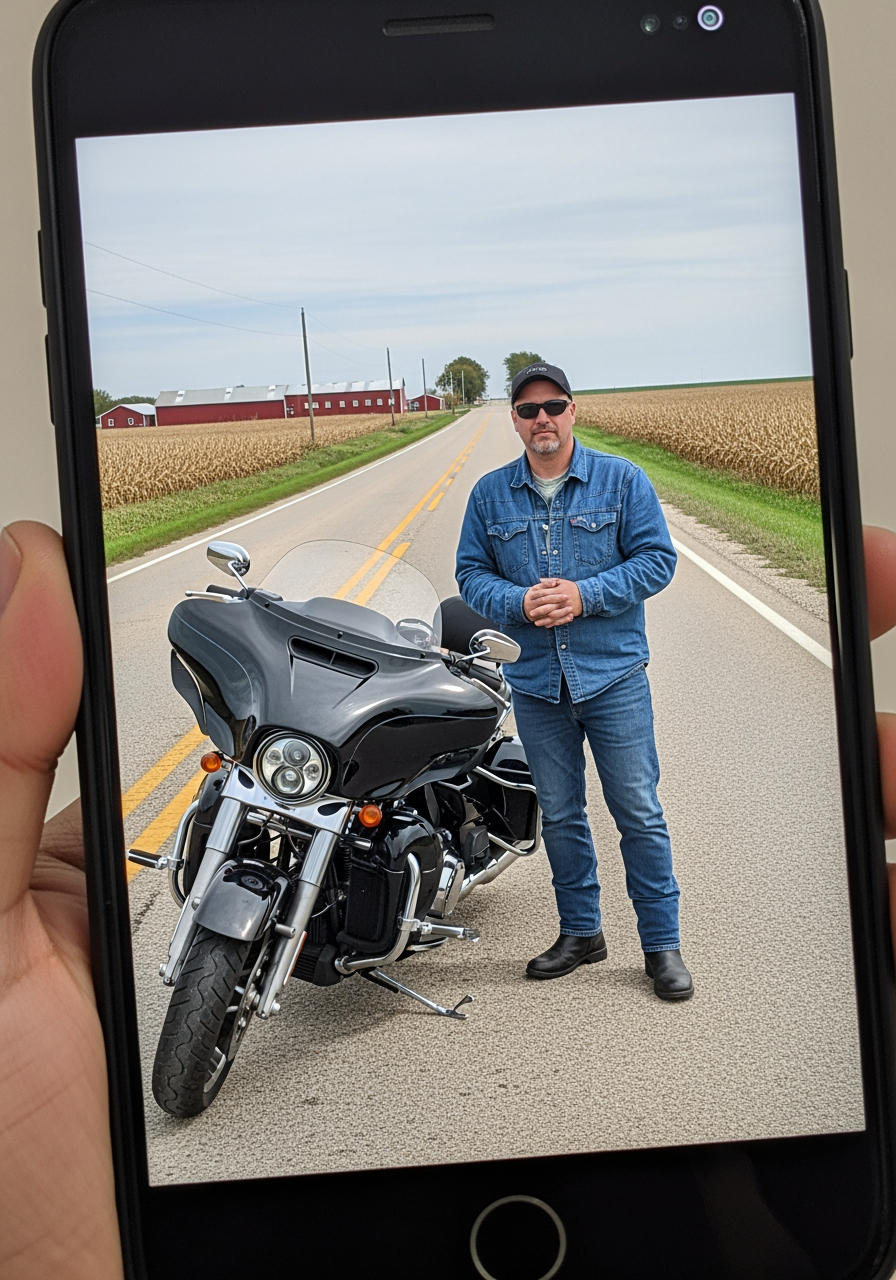
Indiana Dunes plus a lakefront lunch makes an easy shakedown ride to knock the rust off in spring. Short, scenic, low stress. On the list. #RideNationChicago #Chicagoland #IllinoisRiding
Gear & New Iron
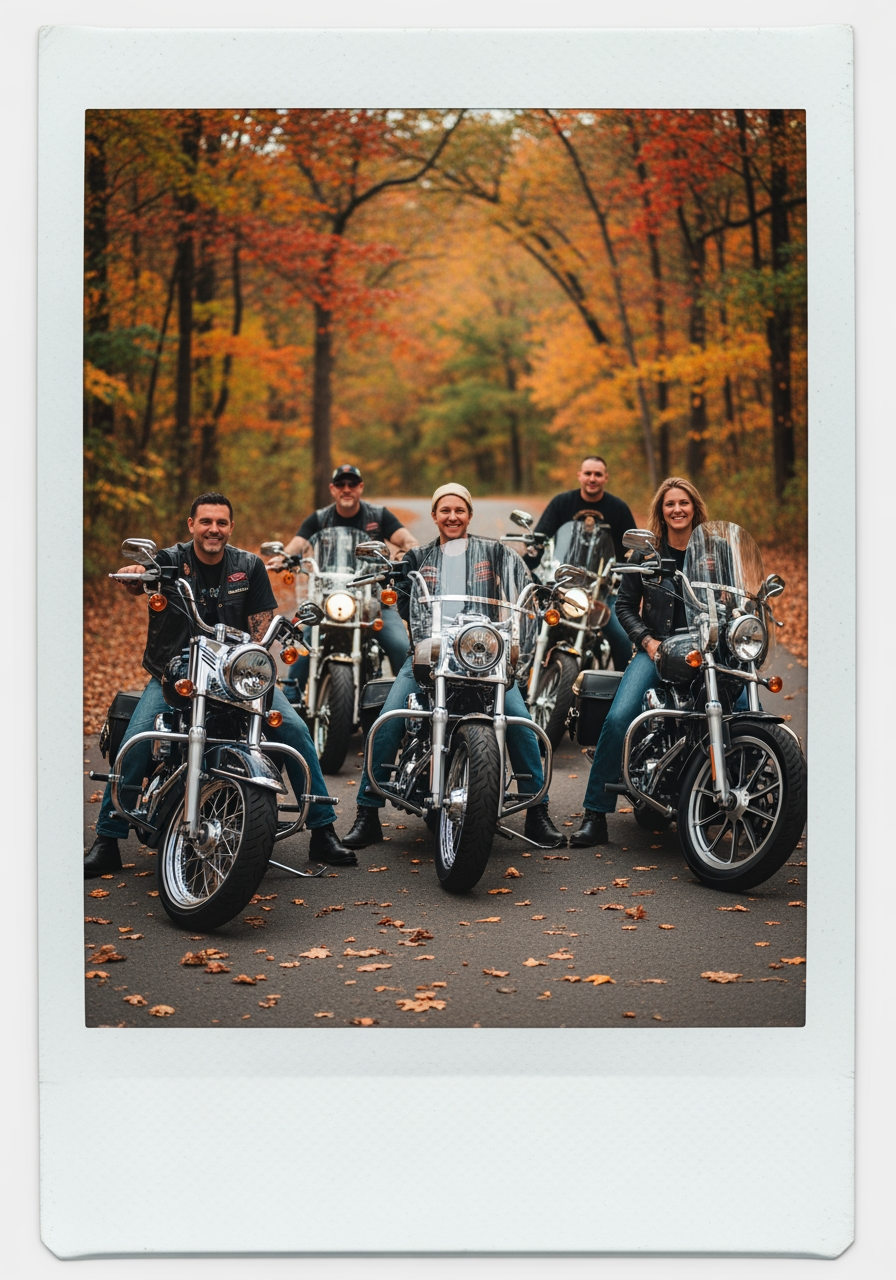
The new middleweight naked bikes are hitting a sweet spot, real power, light weight, and a price that does not need a second mortgage. Fun does not have to mean a liter bike. #RideNationChicago #NewIron #BikerLife
Safety & IL Law
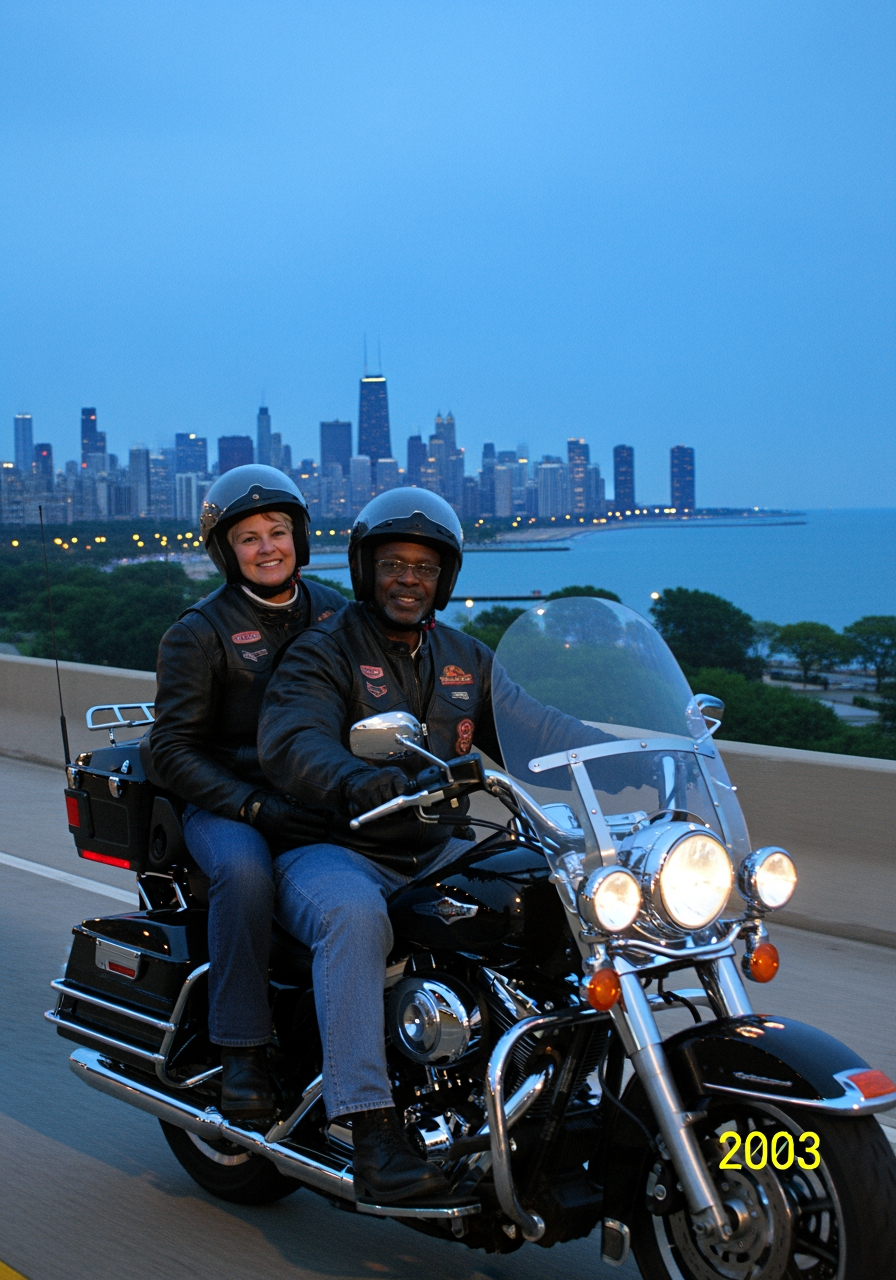
When an uninsured driver hits you and disappears, your UM coverage is what carries the load. Know it is there before you need it. Questions? DDT Injury Team, 773-832-5109. #RideNationChicago #UninsuredMotorist #KnowYourRights
Engagement
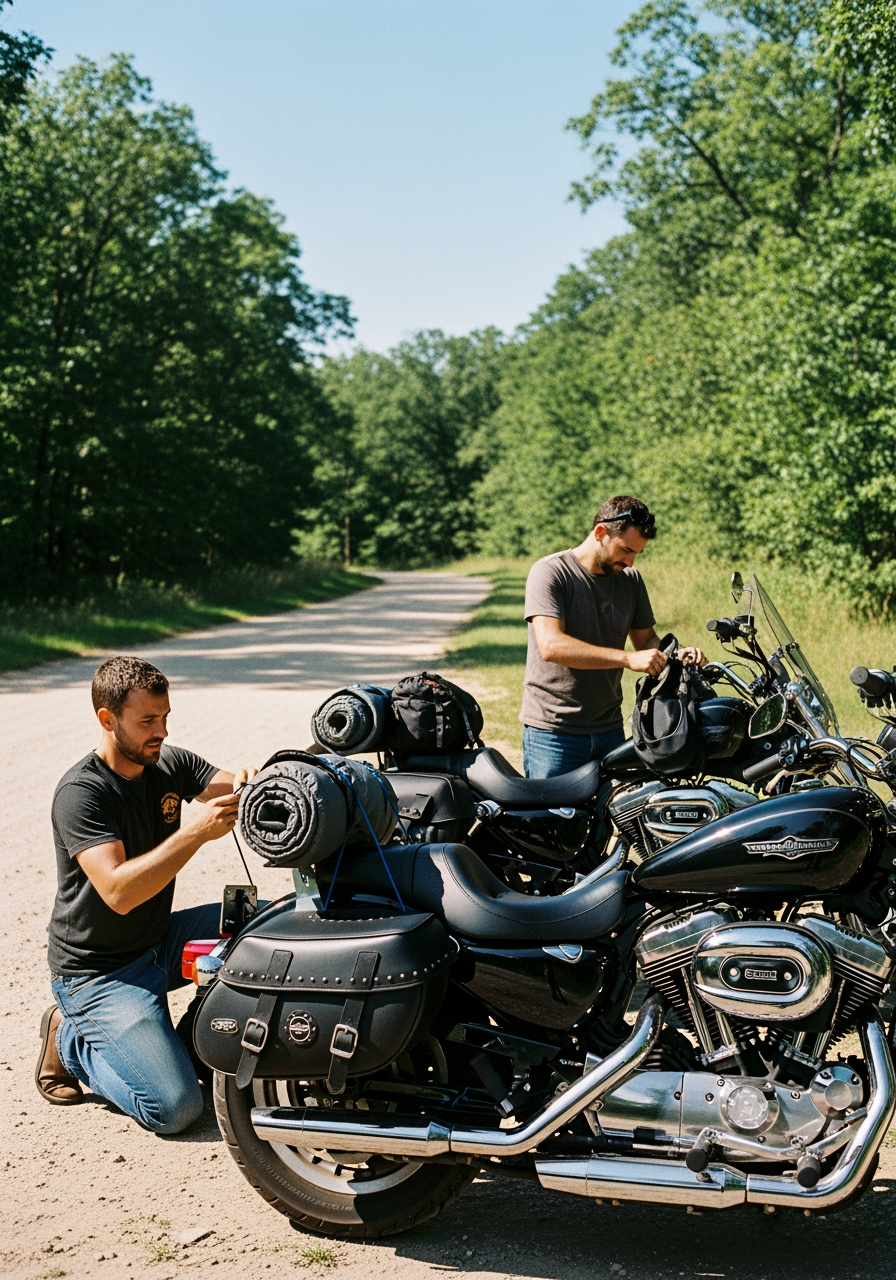
This or that: early morning empty streets or late evening city lights on the ride home. #RideNationChicago #ChicagoMotorcycles #BikerLife
Giveaway & Countdown
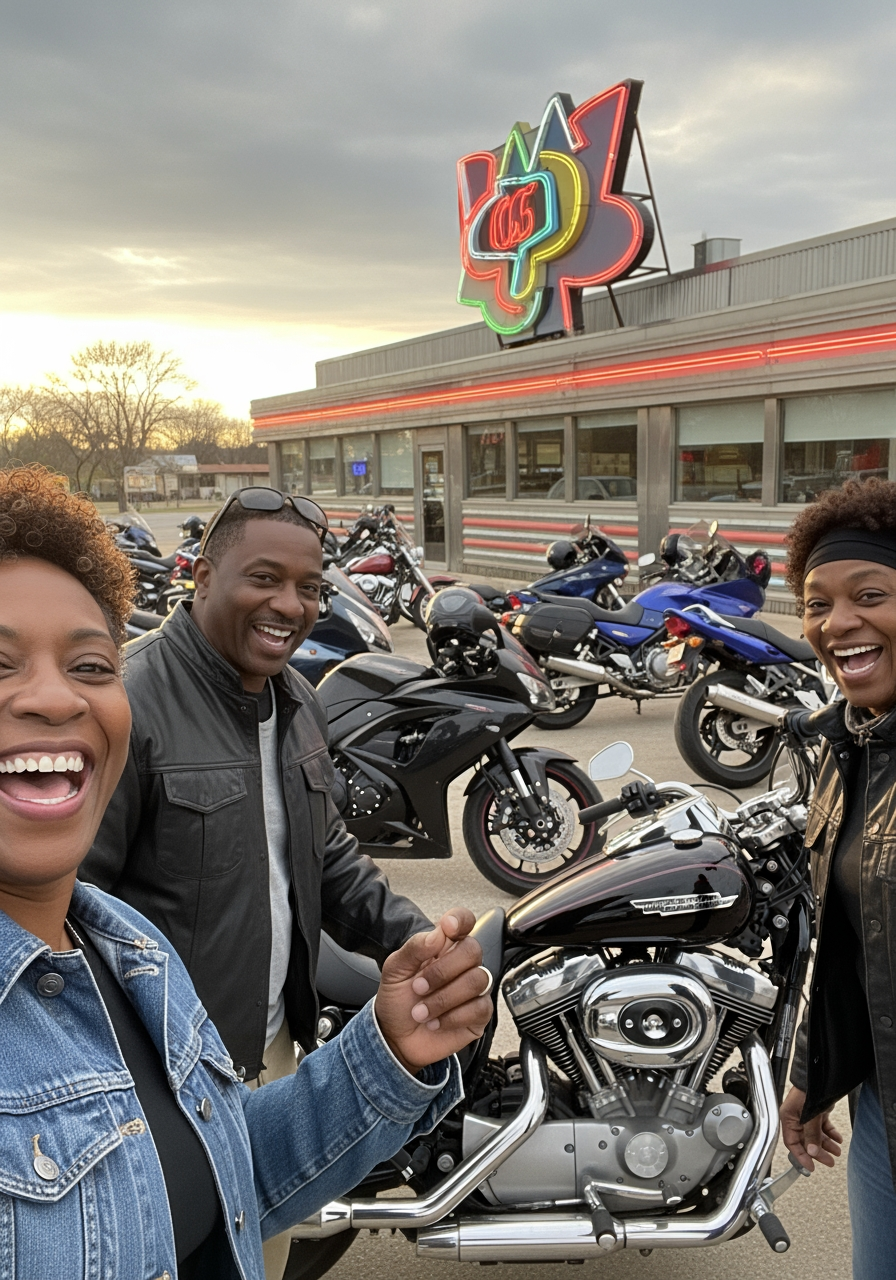
Last call is coming. If your name is not in the $20,000 giveaway yet, fix that this week. Free to enter, entry link in the comments. #RideNationChicago #BikersWin #WinABike
Local Chicago & Rides
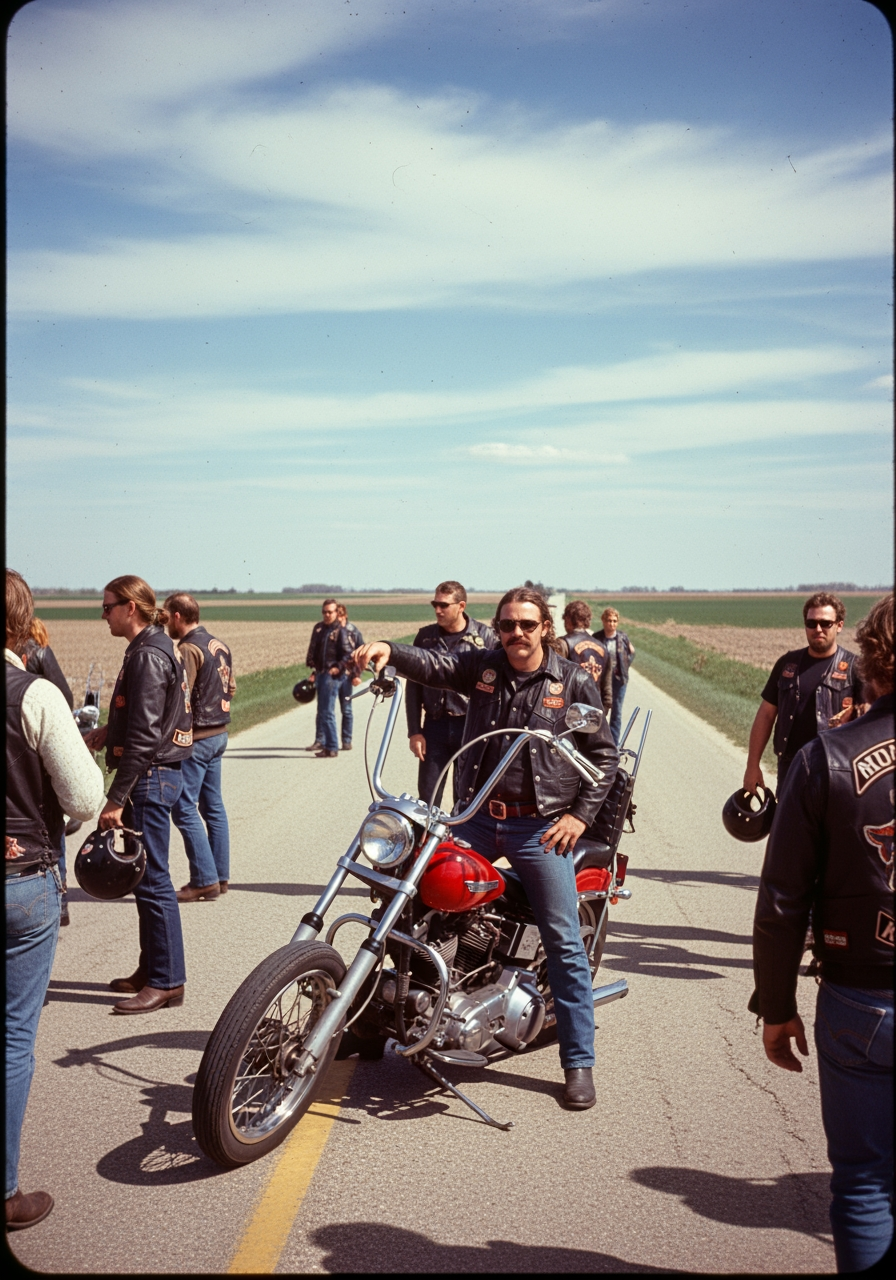
Cold tires do not grip. If you catch that one dry winter day, give it a few easy miles before you lean on anything, and skip the shaded curves entirely. #RideNationChicago #ChicagoRiders #IllinoisRiding
Gear & New Iron
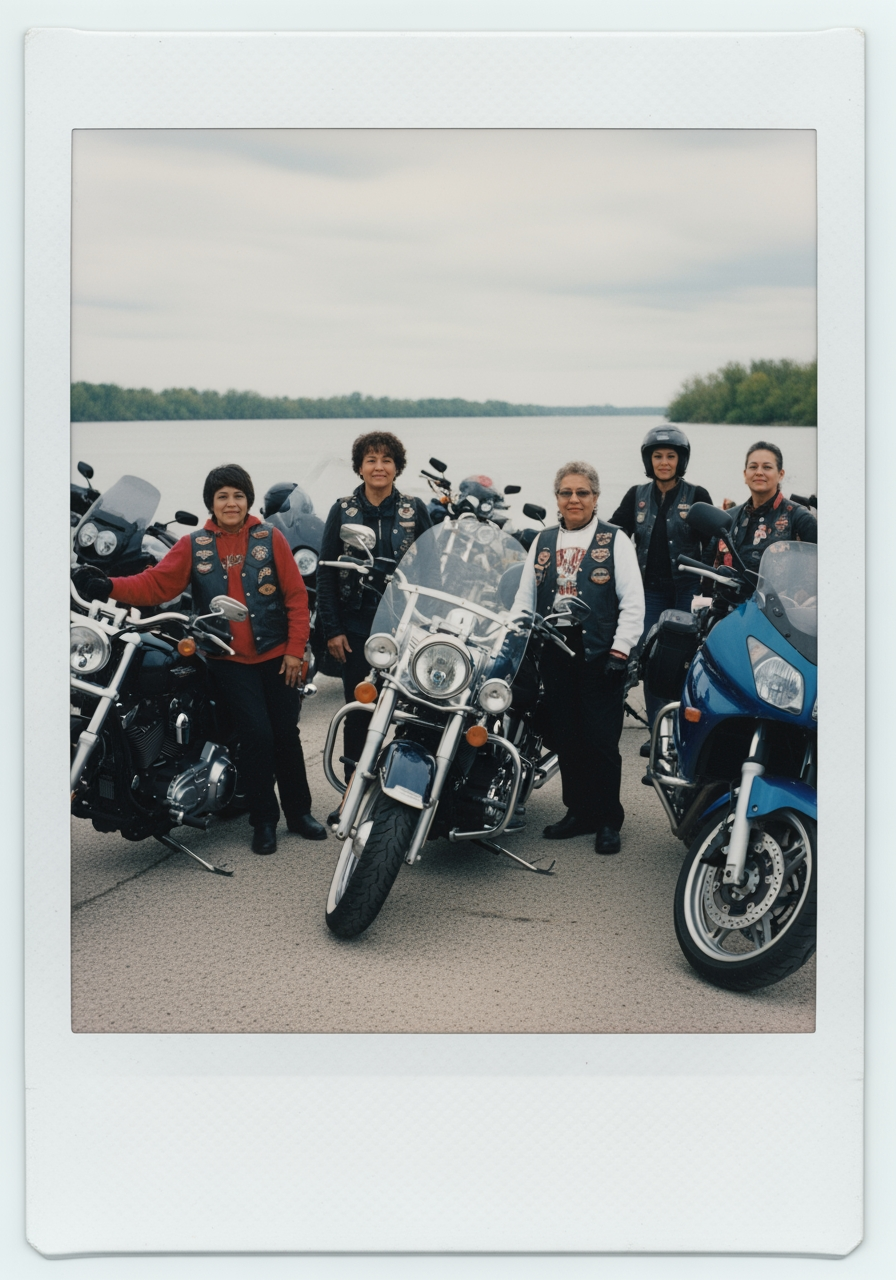
Every year the new iron shows up with better tech, lean-sensitive traction control, quickshifters, ride modes. Nice to have, but none of it replaces gear and good habits. #RideNationChicago #NewIron #ATGATT
Safety & IL Law
Ride your own ride and leave the ego at home. Speed you cannot handle is not a flex. Stay in your zone. Need us after a crash? Derek Martin, 773-832-5109. #RideNationChicago #RiderSafety #ChicagoRiders
Engagement
Fill in the blank: the number one thing on my off-season project list is ________. #RideNationChicago #IllinoisRiders #TwoWheels
Giveaway & Countdown
Imagine the group ride next spring when one of us shows up on a bike they won for free. Could be you. Drawn December 10, link in comments. #RideNationChicago #20kGiveaway #ChicagoRiders
Local Chicago & Rides
Chain O Lakes in early summer is all water views and easy miles. Not yet, but pin it now so it does not get lost in the shuffle. #RideNationChicago #Chicagoland #MotorcycleRoads
Gear & New Iron
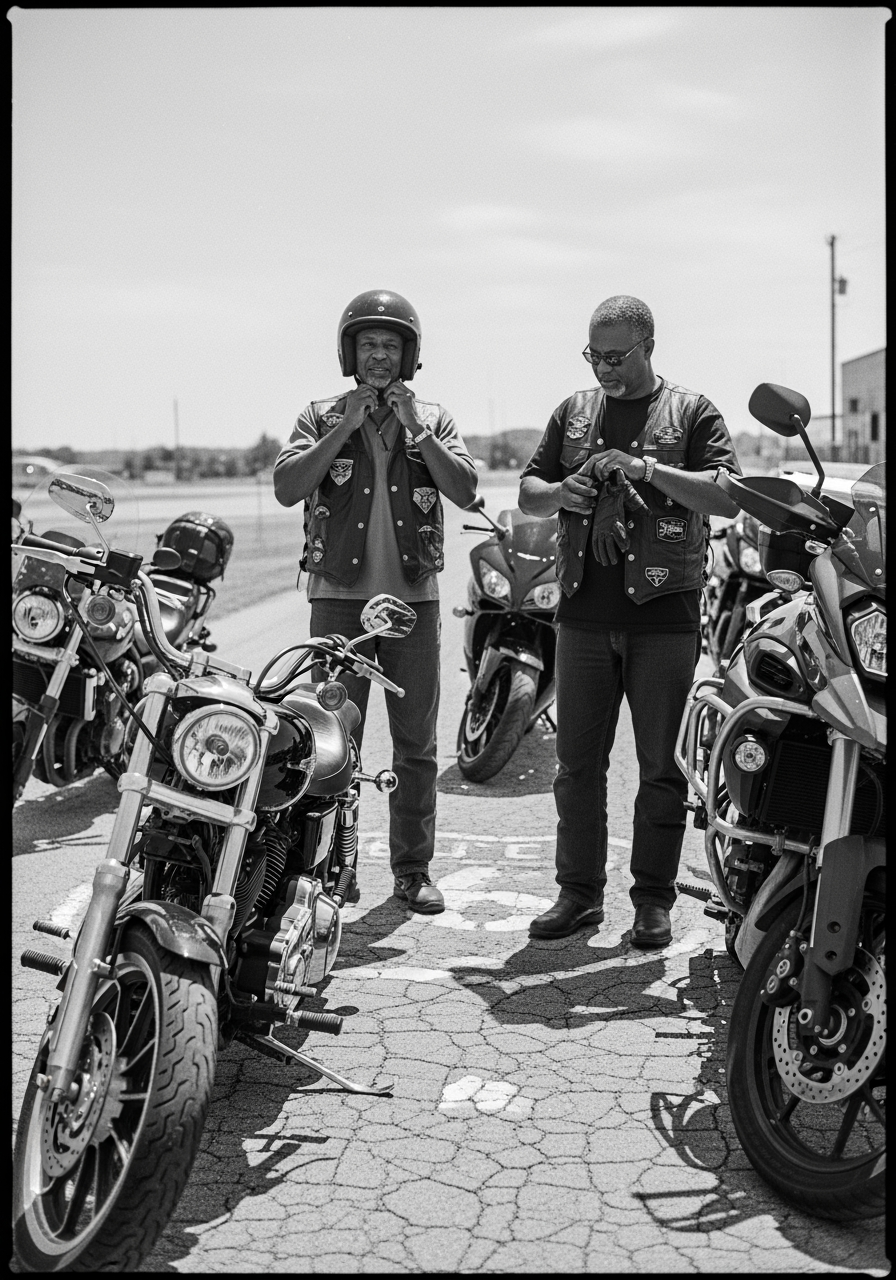
Eyeing a new bike this offseason? Winter is when dealers deal. Slow months mean room to negotiate, so if you have been patient, now is the window to pounce. #RideNationChicago #NewIron #ChicagoRiders
Safety & IL Law
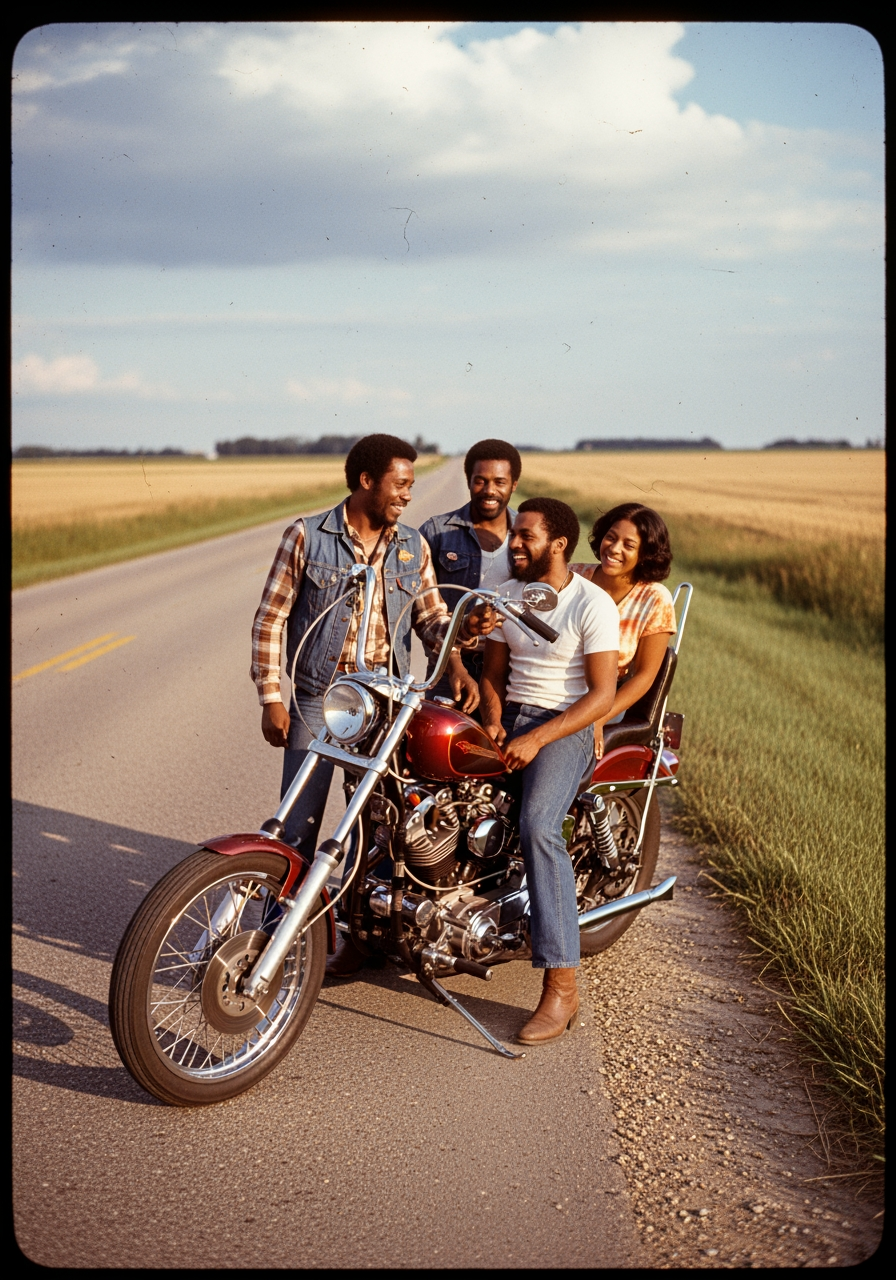
ATGATT is not overkill. Jacket, gloves, boots, eyes covered, every single ride. Road rash does not care about the errand. Down and hurt? DDT Injury Team, 773-832-5109. #RideNationChicago #ATGATT #MotorcycleSafety
Engagement
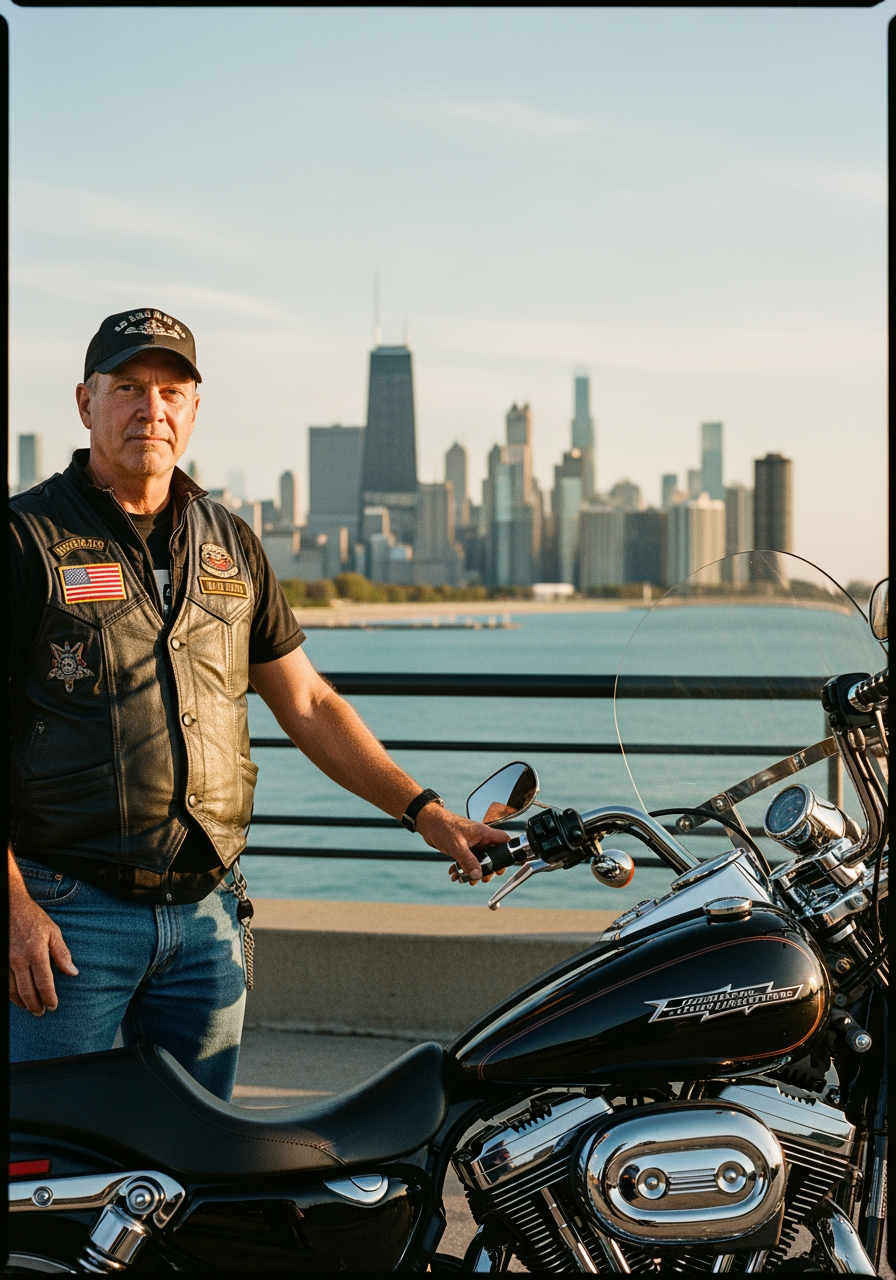
Honest question: what is one piece of gear you regret not buying sooner. Help the newer riders out. #RideNationChicago #MotorcycleCommunity #ChicagoRiders
Giveaway & Countdown
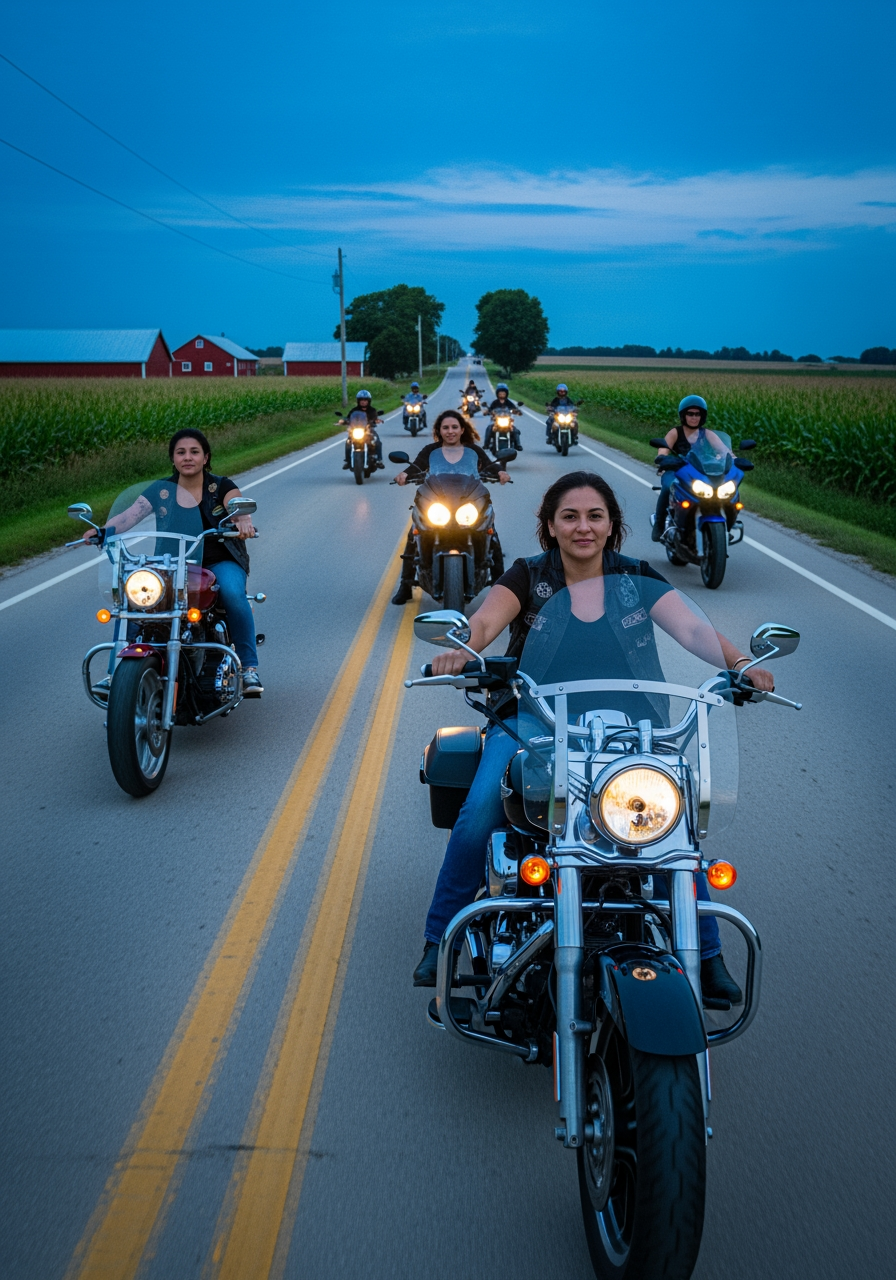
Winter is no reason to stop planning your next build. Derek and the DDT Injury Team ride with you, 773-832-5109. Enter the $20,000 giveaway, link in comments. #RideNationChicago #MotorcycleGiveaway #Chicagoland
Local Chicago & Rides
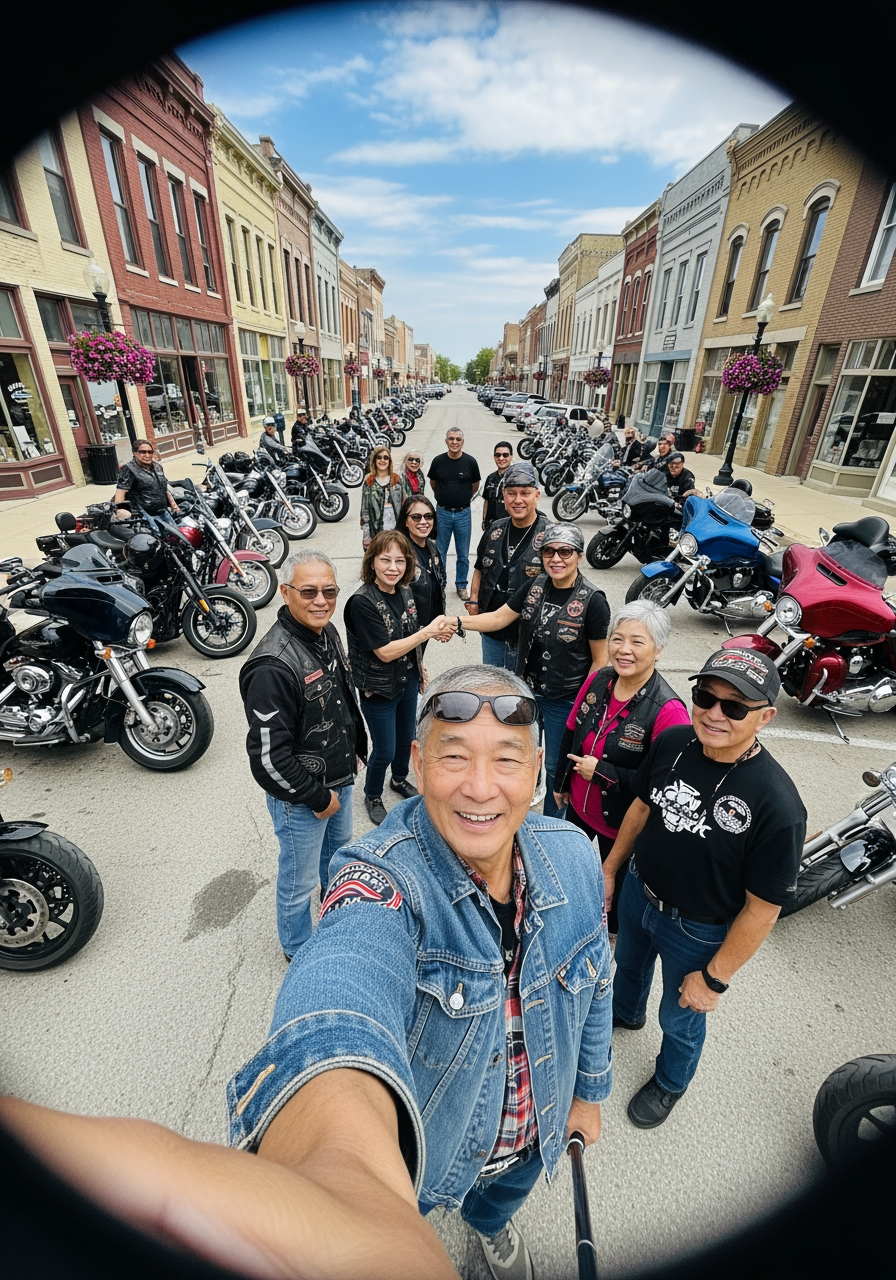
The I and M Canal country and the little river towns make a slow, good day when the salt trucks finally park. Add it to the spring rotation. #RideNationChicago #IllinoisRiding #MotorcycleRoads
Gear & New Iron
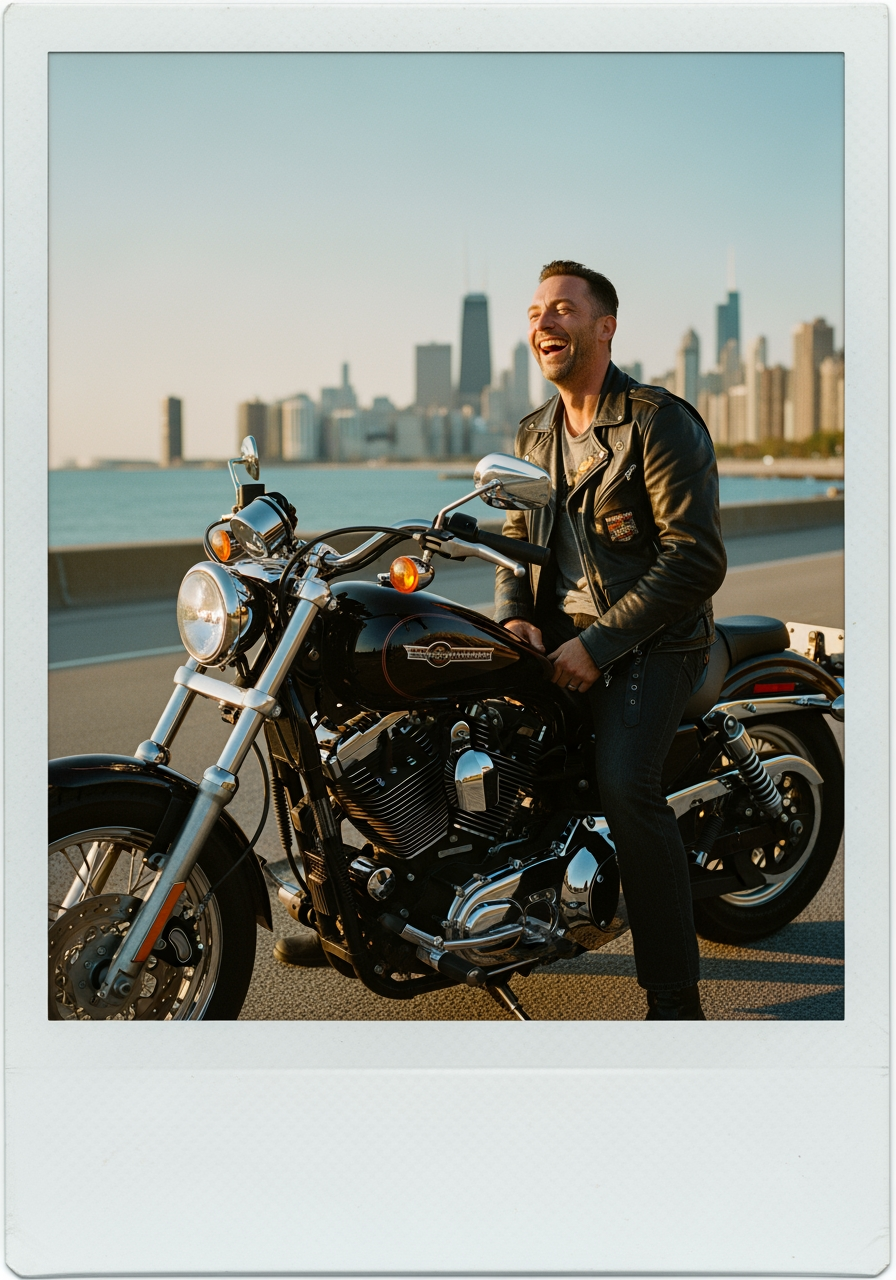
Adventure bikes keep taking over the lots, and for a reason. Upright seating, long travel, and comfort for the miles. Just remember a tall bike still needs full gear. #RideNationChicago #NewIron #ATGATT
Safety & IL Law
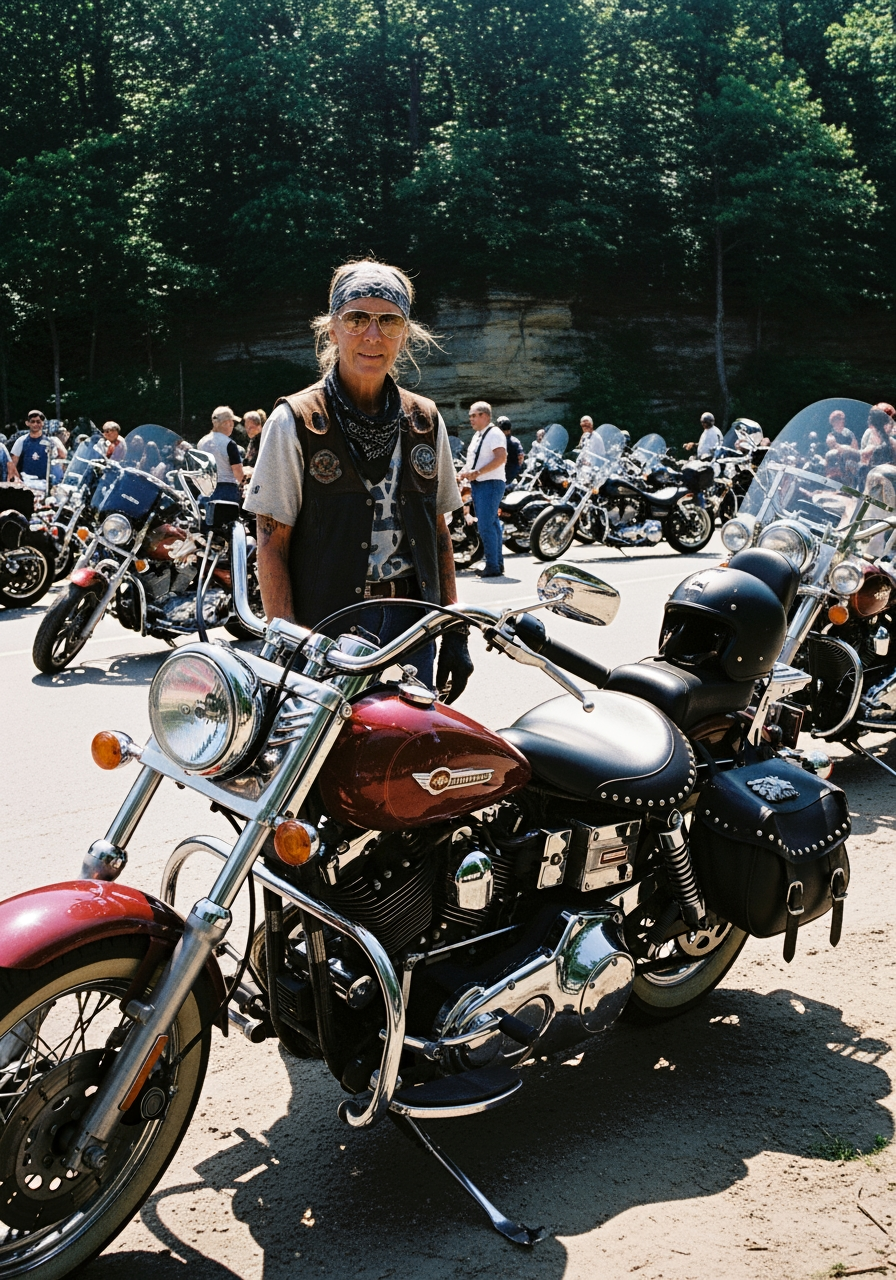
Watch the front wheel of every waiting car. It moves before the driver commits, and it warns you first. Hit by a left-turner? Derek and the team can help. 773-832-5109. #RideNationChicago #RiderSafety #ChicagoRiders
Engagement
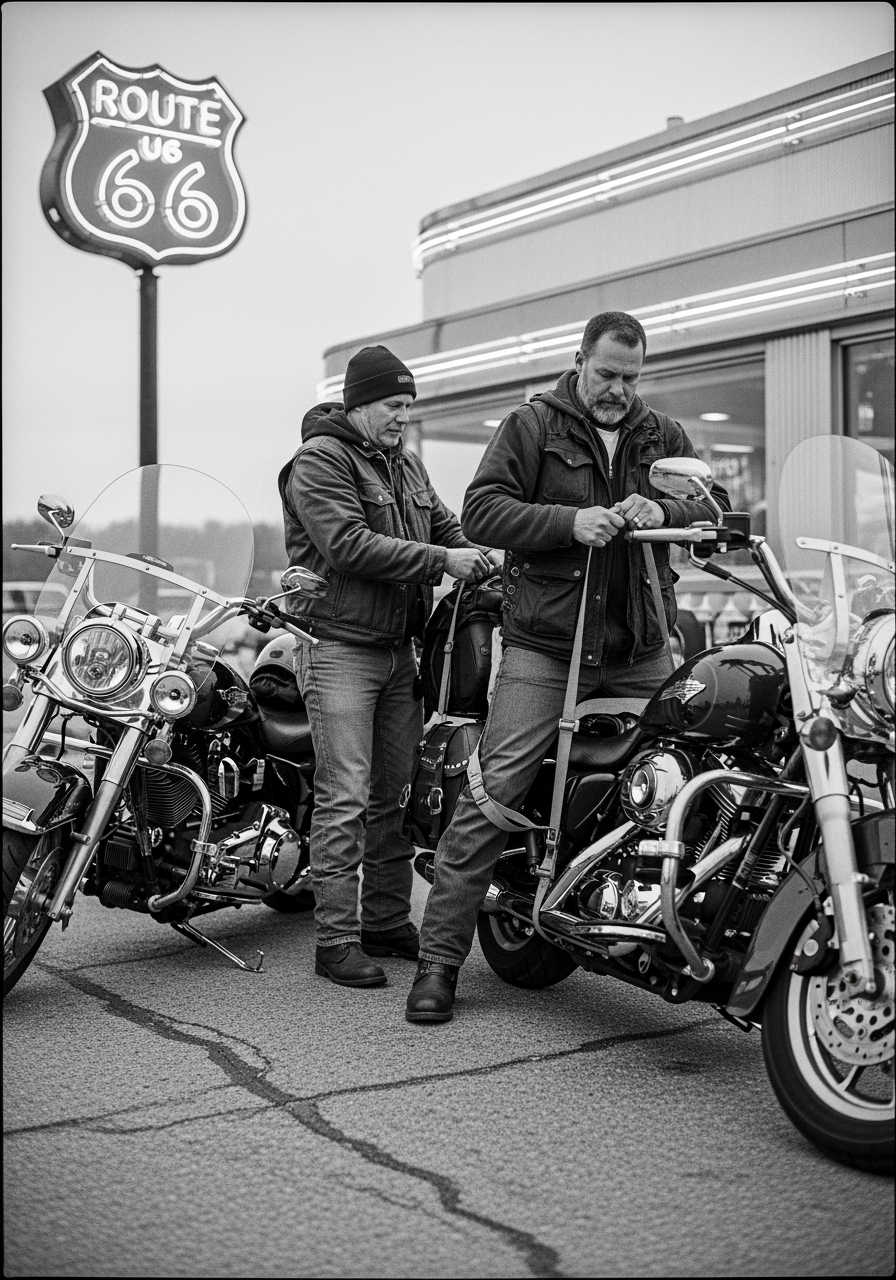
Poll: Bears game on the couch or a crisp fall ride while everyone else is inside. Be honest. #RideNationChicago #Chicagoland #BikerLife
Giveaway & Countdown
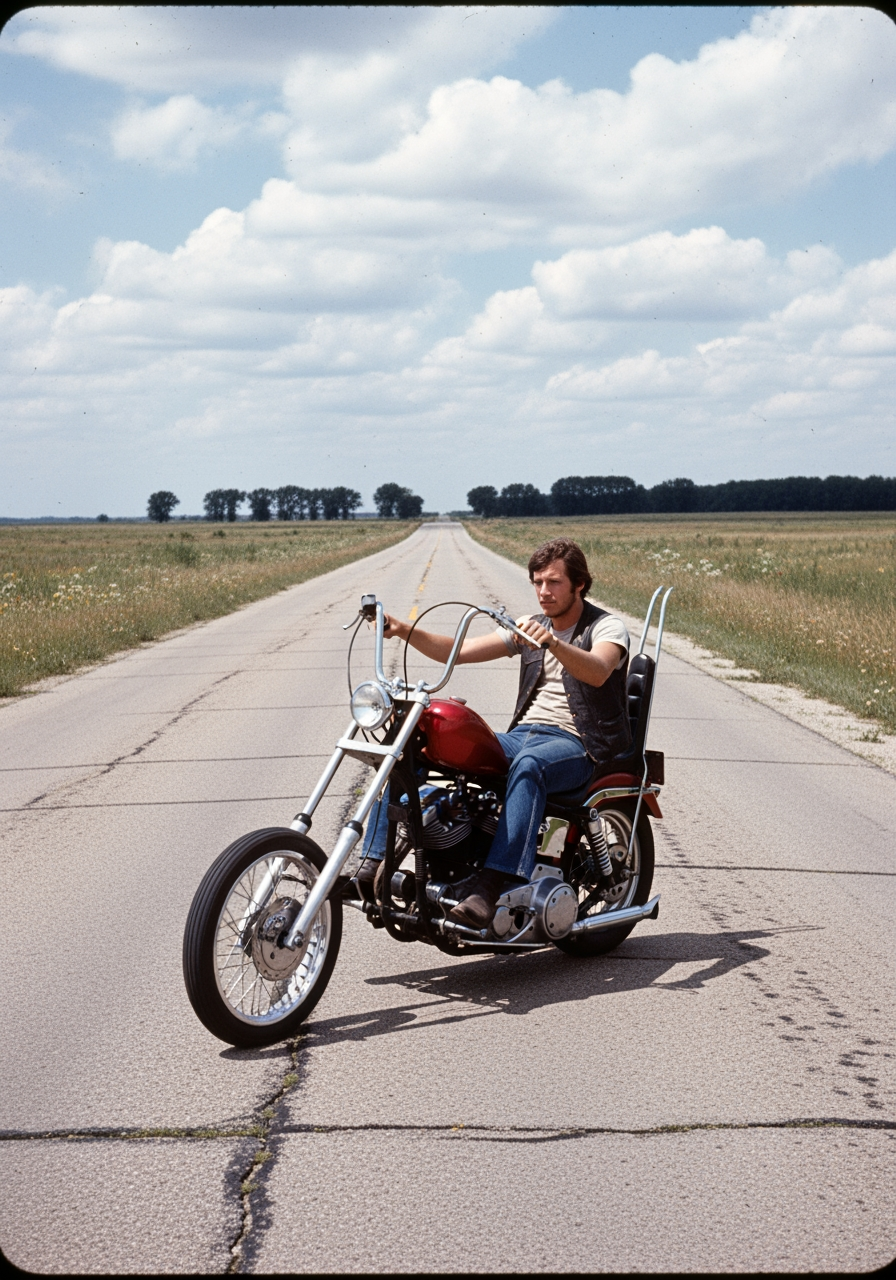
Days left, not weeks. The $20,000 winner gets drawn December 10 and entries close before that. Do not miss it, entry link in the comments. #RideNationChicago #BikersWin #20kGiveaway
Local Chicago & Rides
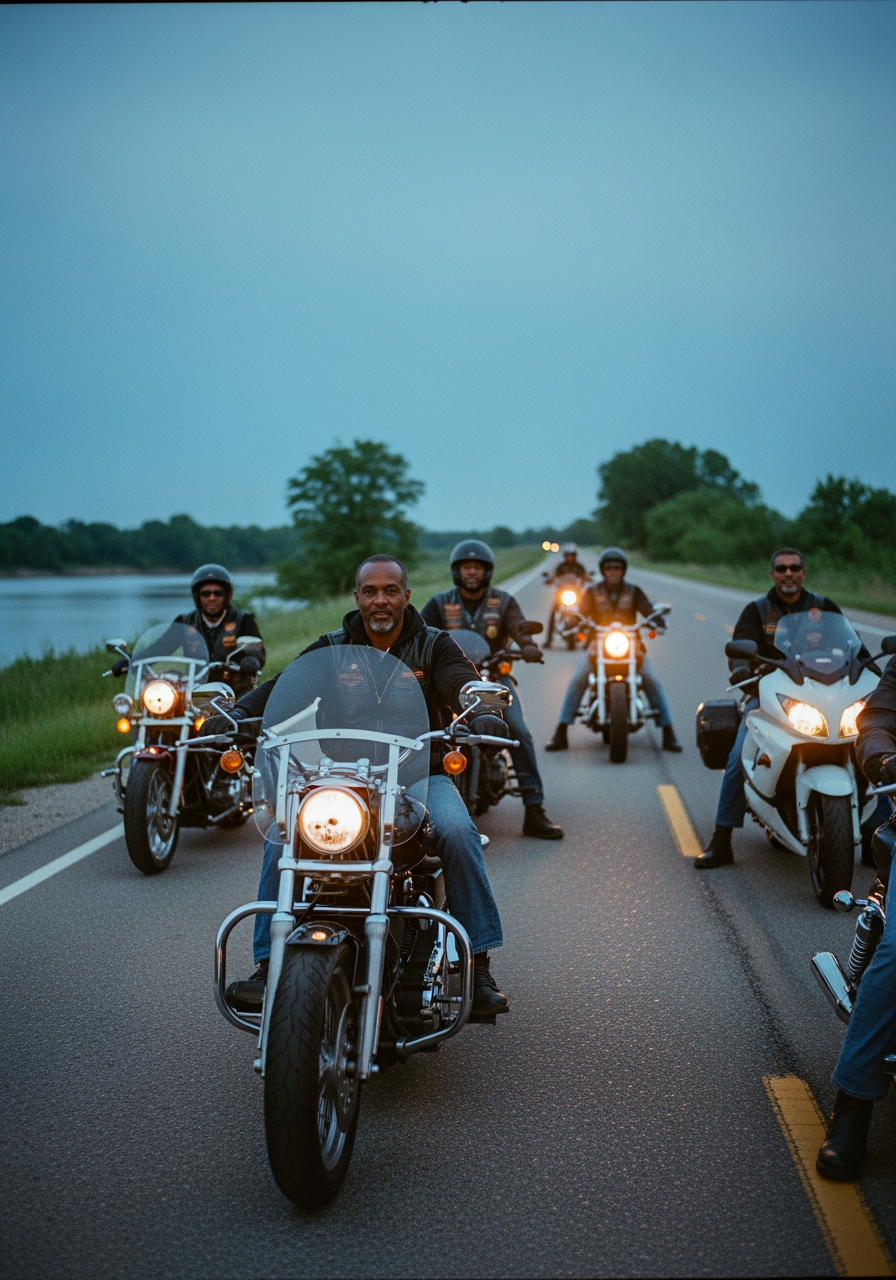
Offseason project list: fresh rubber, chain and cables, fluids, and a good look at your brakes. Do it now so the first spring ride is all fun and no wrenching. #RideNationChicago #ChicagoRiders #IllinoisRiding
Gear & New Iron
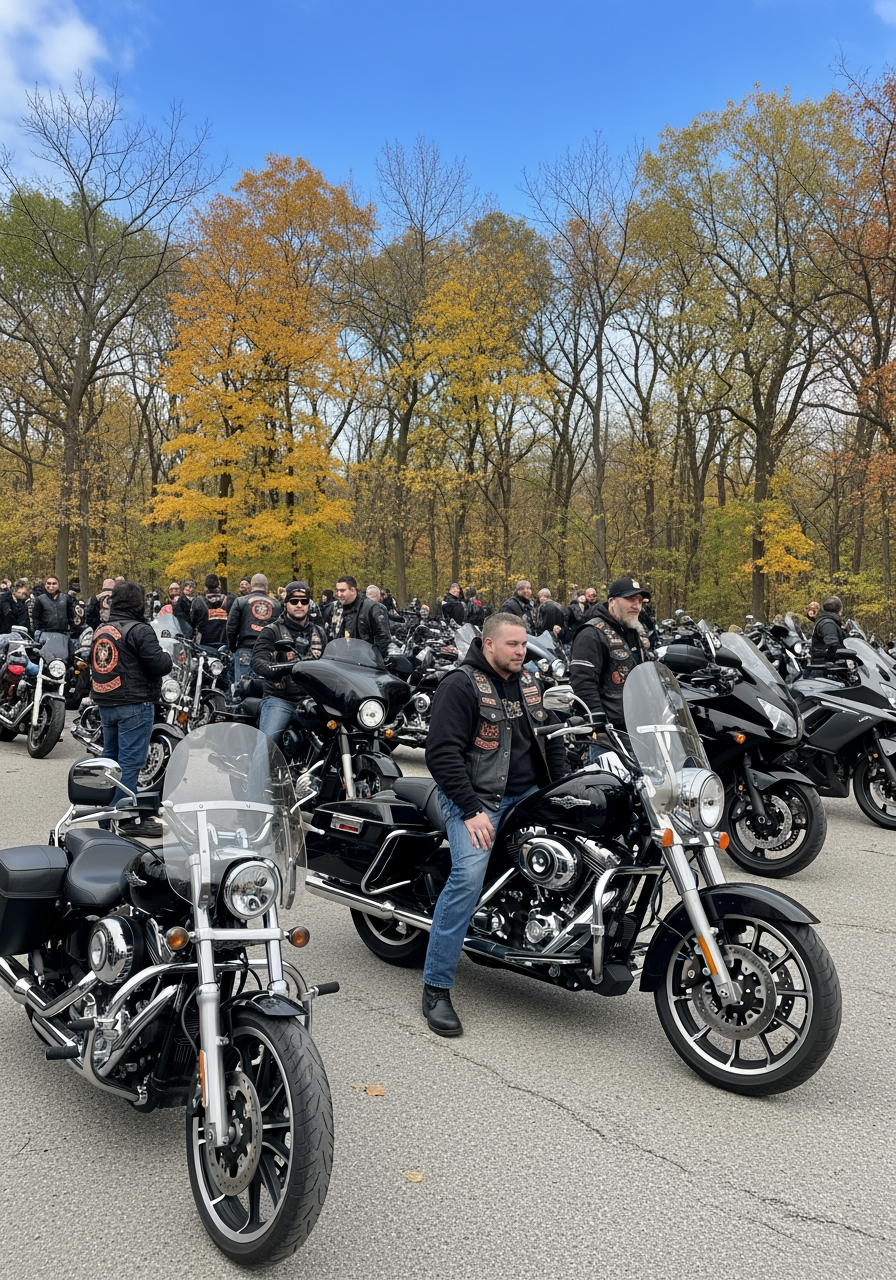
Electric bikes are getting real, instant torque and no shifting in stop-and-go city traffic. Whatever you throw a leg over, the helmet and jacket rules do not change. #RideNationChicago #NewIron #GearUp
Safety & IL Law
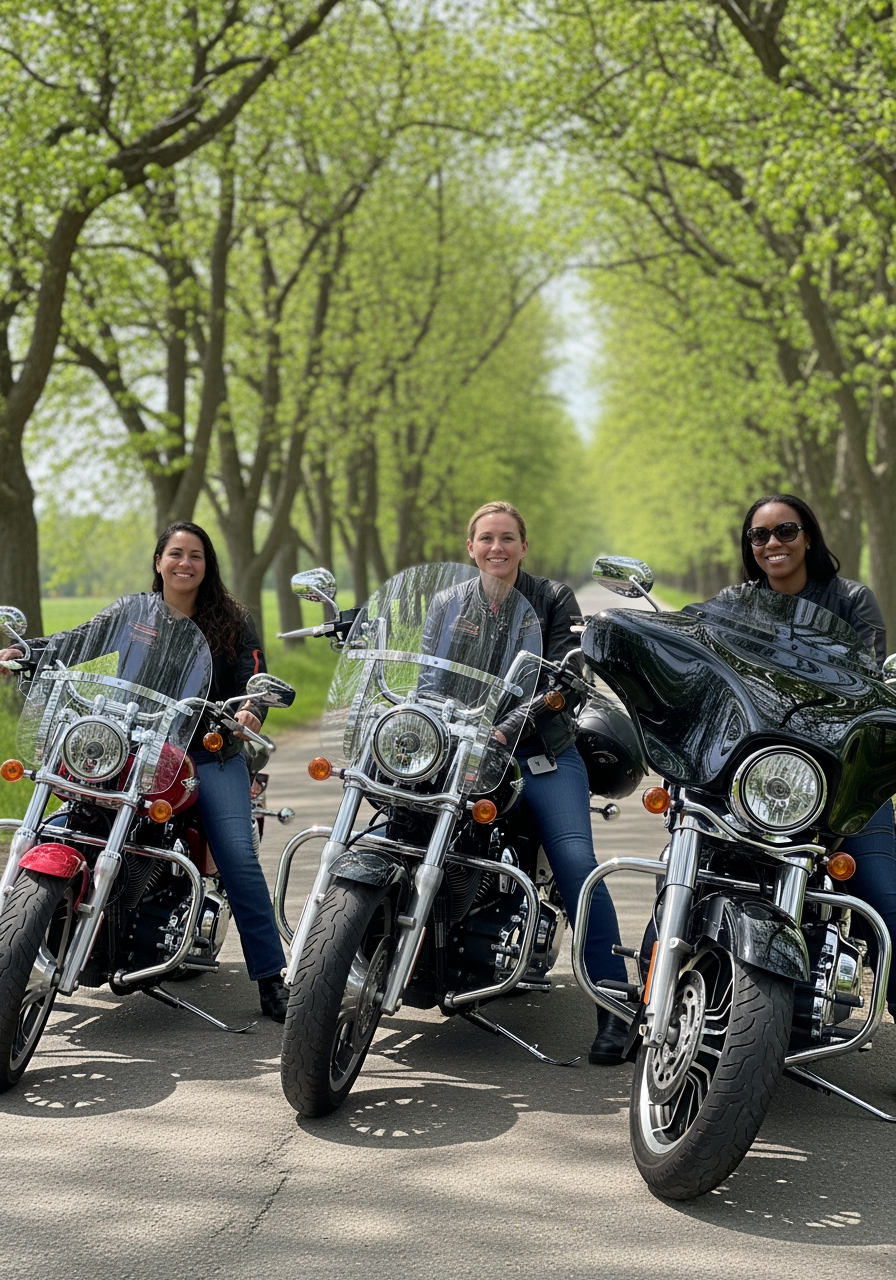
Carrying just the state minimum leaves you exposed after a bad wreck. Illinois lets you buy up, and 100/300 is worth it. Want to review your policy? DDT Injury Team, 773-832-5109. #RideNationChicago #IllinoisLaw #UninsuredMotorist
Engagement
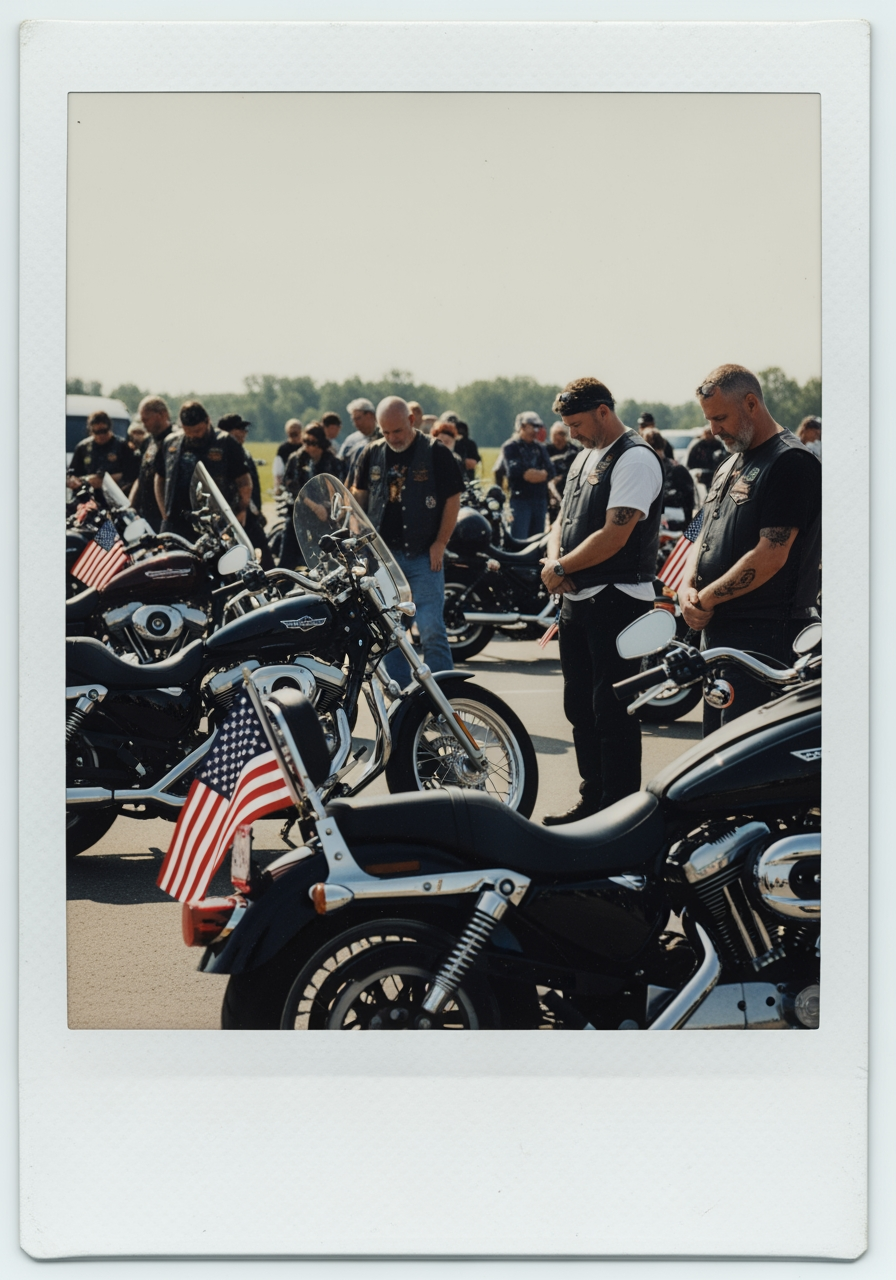
Caption this: it is the last dry ride before winter and nobody wants to head home. #RideNationChicago #ChicagoMotorcycles #TwoWheels
Giveaway & Countdown
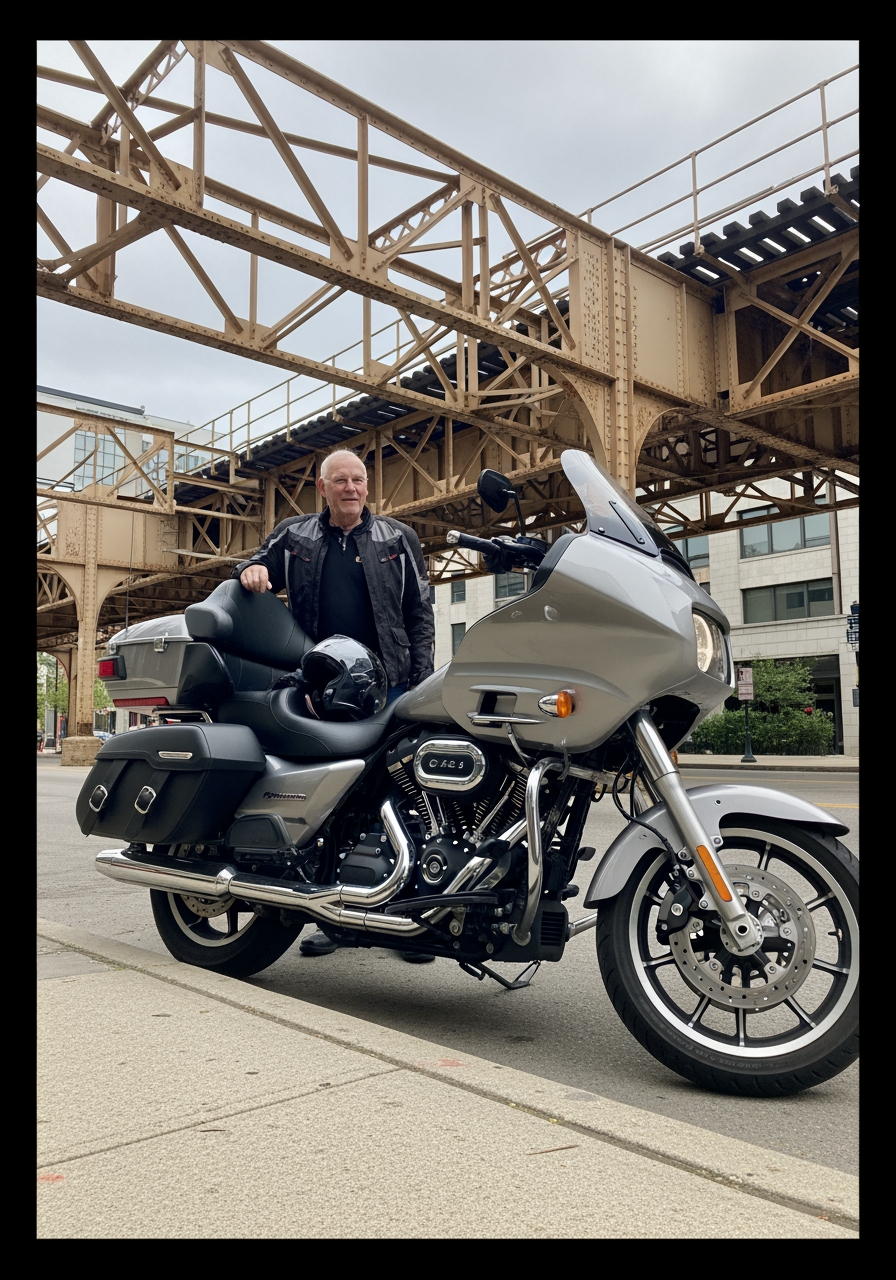
Final call, Ride Nation. This is your last chance to enter for $20,000 toward any motorcycle you want. Free to enter, drawn December 10. Link in comments. #RideNationChicago #WinABike #FreeToEnter
Local Chicago & Rides
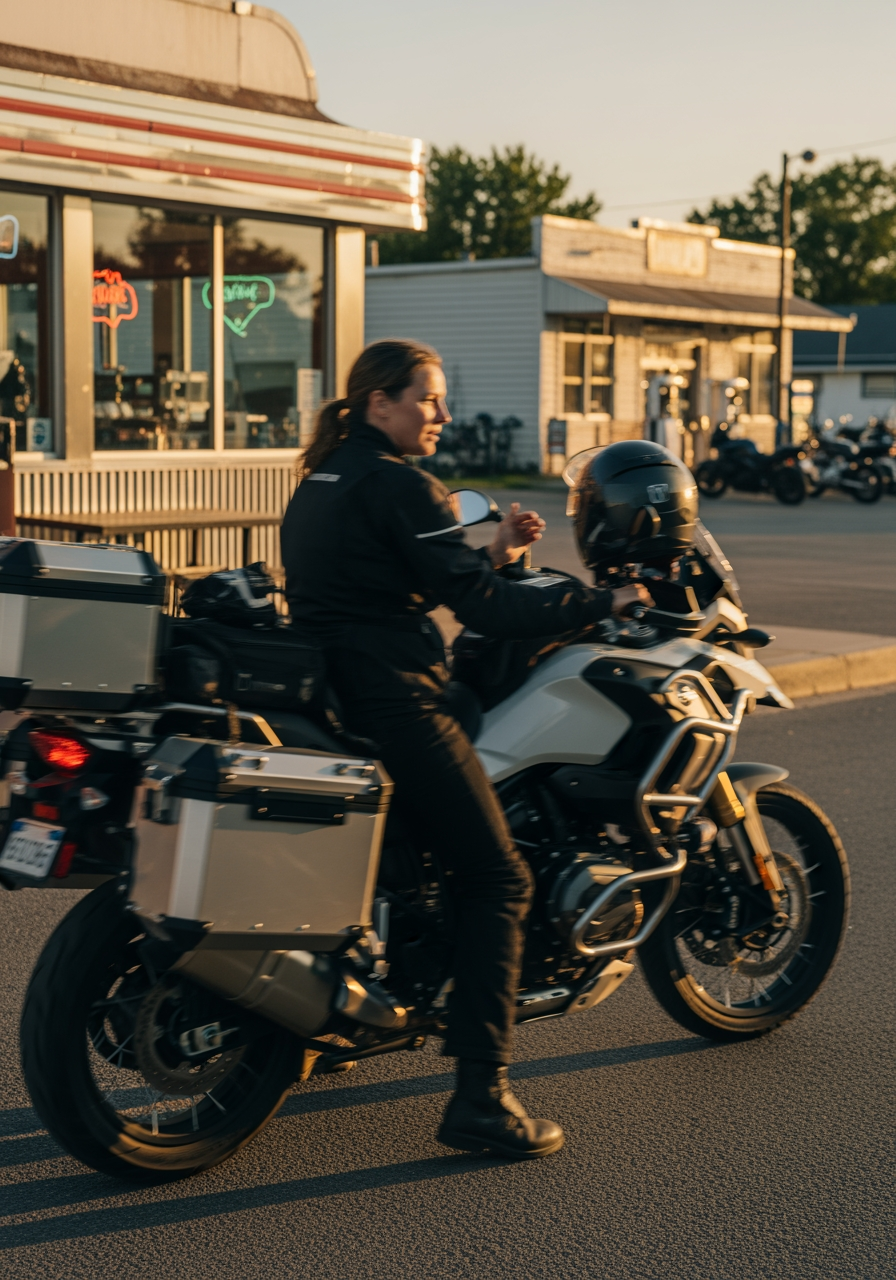
First bike night of spring is the reunion we all wait on through the salt and the gray. Keep the group alive this winter and we roll out together. #RideNationChicago #ChicagoRiders #Chicagoland
Gear & New Iron
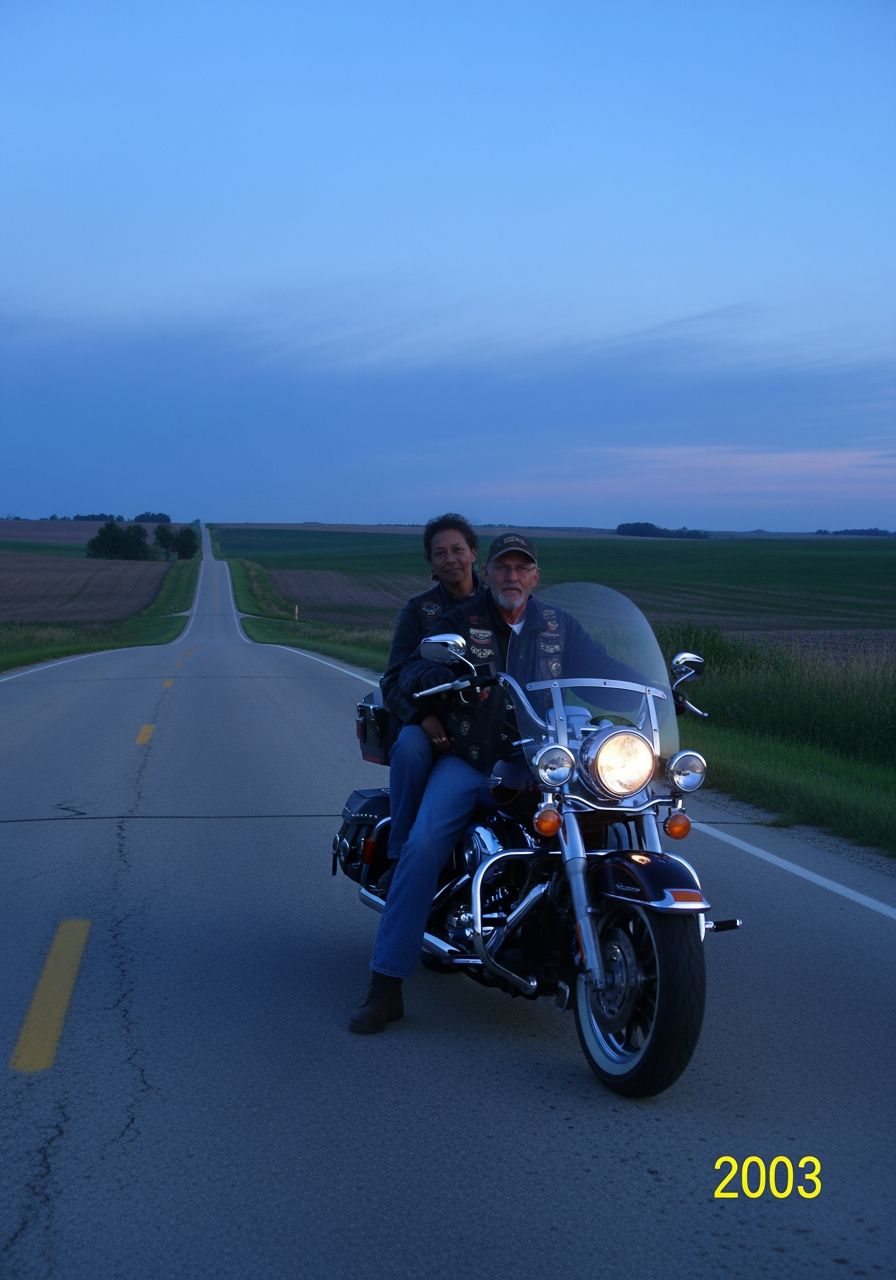
New bike day is the best day, so start it right. Set the sag, check the tire pressure, and read the manual before the first ride. A fresh bike still needs your eyes on it. #RideNationChicago #NewIron #MotorcycleMaintenance
Safety & IL Law
Know your deadlines before you need them. Two years for most Illinois injury claims, sometimes one against a city. Not sure which fits your crash? Derek Martin and the DDT Injury Team, 773-832-5109. #RideNationChicago #IllinoisLaw #KnowYourRights